2330
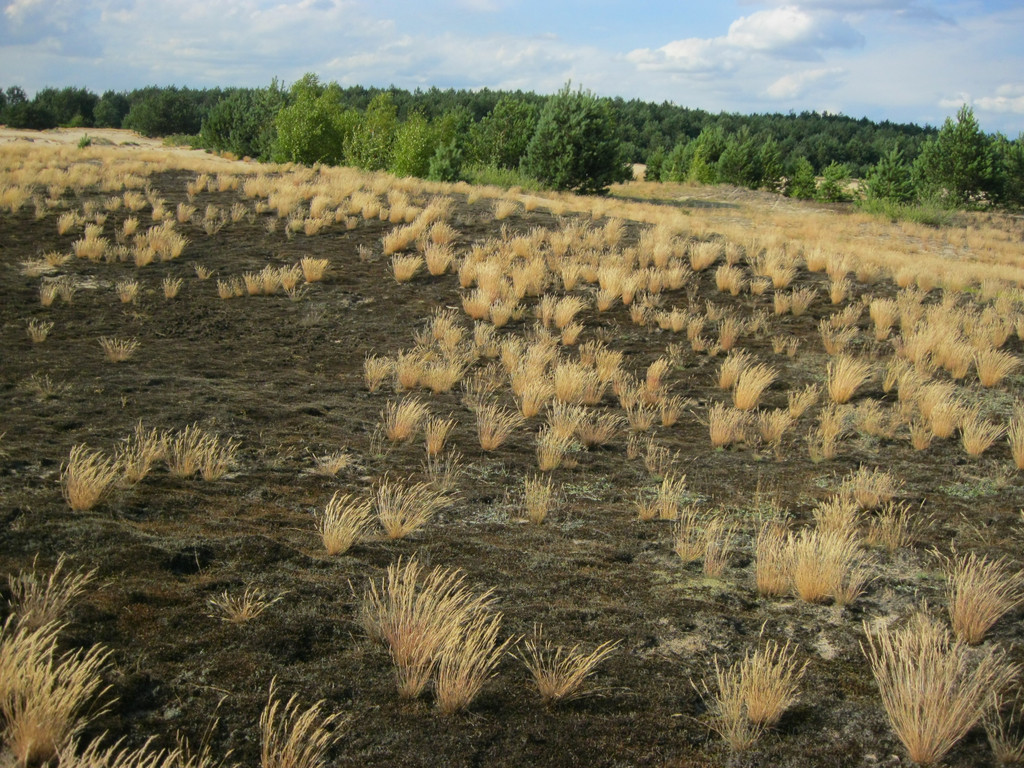
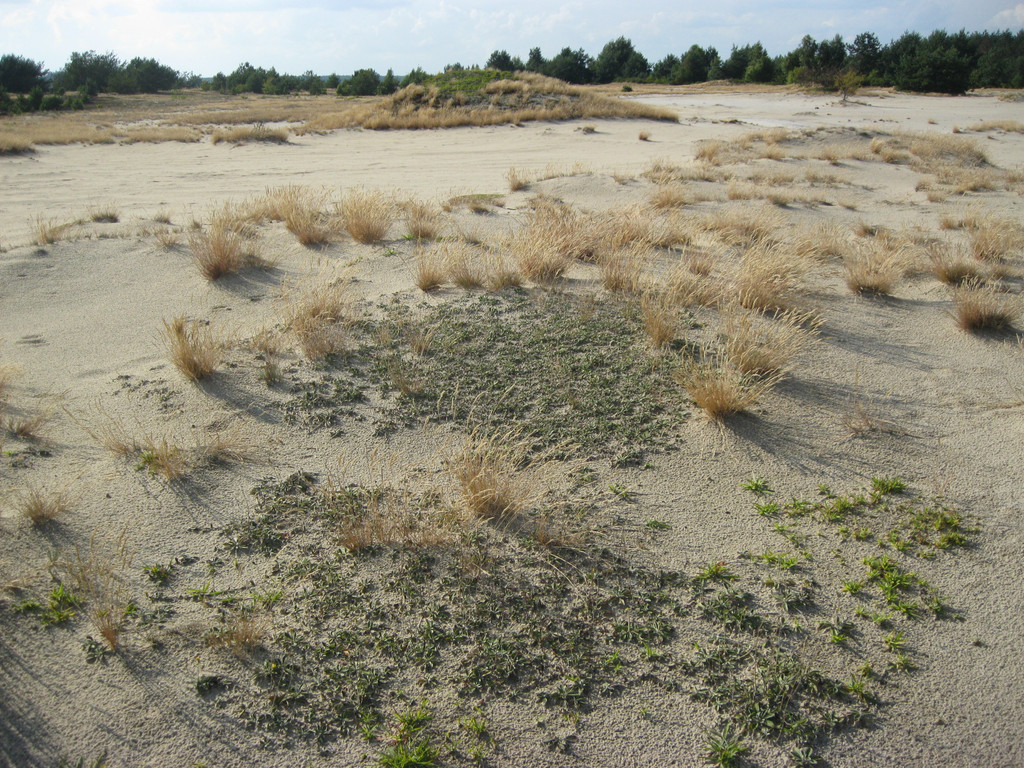
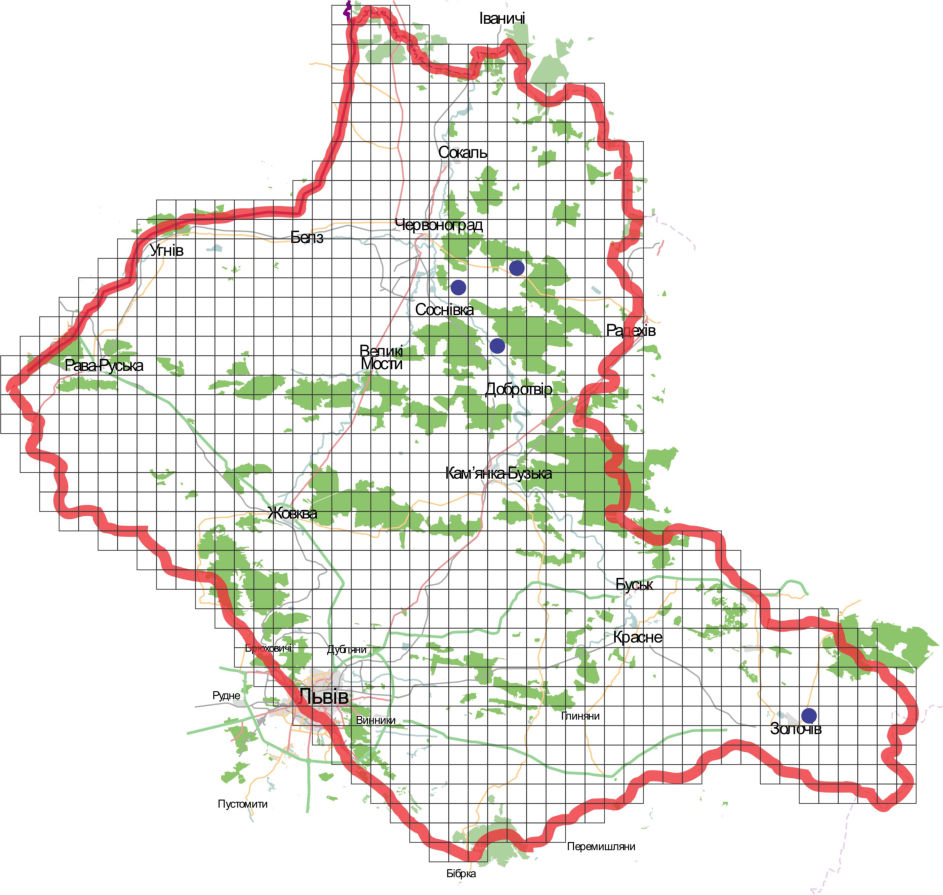
Inland dunes with open Corynephorus and Agrostis grasslands
Syntaxonomy. Corynephorion canescentis Klika 1931: Corniculato aculeatae-Corynephoretum canescentis Steffen 1931.
Species:
Agrostis capillaris ,
Calluna vulgaris ,
Corynephorus canescens ,
Dianthus arenarius Photo: Р.Кіш*,
Filago minima Photo: С. Дегтярёв,
Hieracium pilosella ,
Jasione montana ,
Rumex acetosella ,
Scleranthus annuus ,
Setaria viridis Photo: В. Папченков,
Spergula morisonii ,
Thymus serpyllum ;
mosses:
Ceratodon purpureus ,
Cladonia furcata ,
Cetraria aculeata Photo: http://www.stridvall.se/lichens/gallery/Cetraria/BBBB0548,
Polytrichum juniperinum ,
P. piliferum .
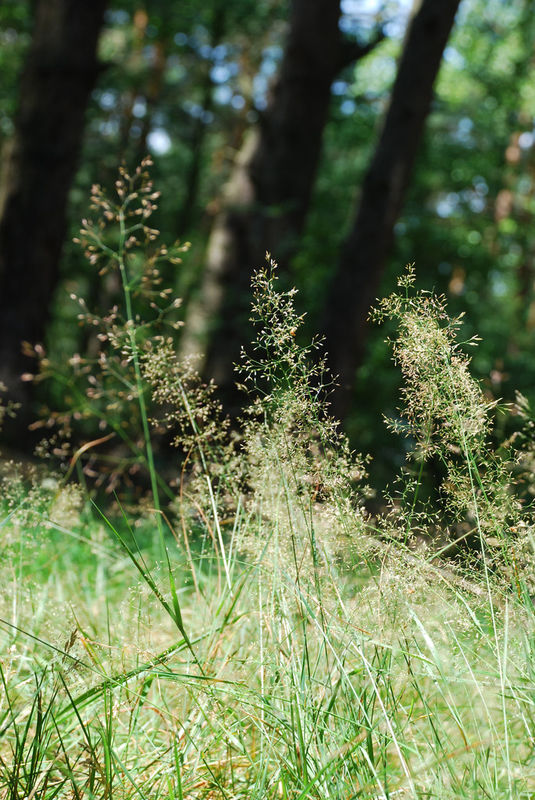
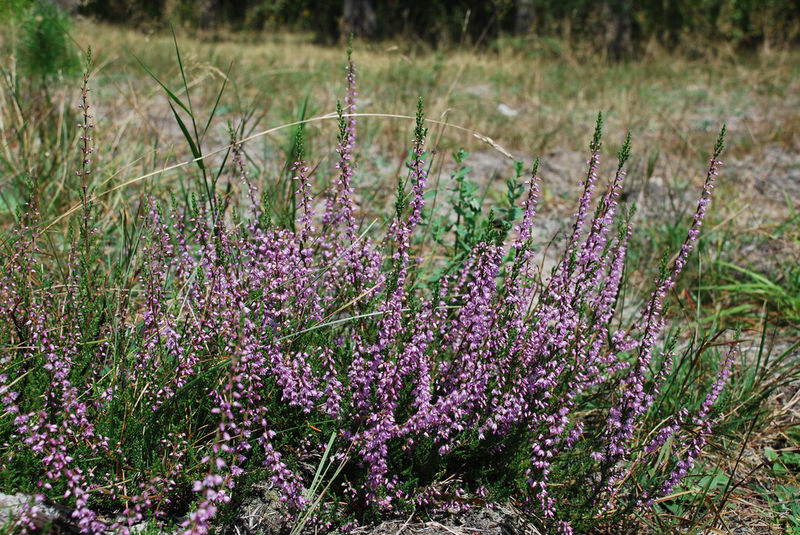
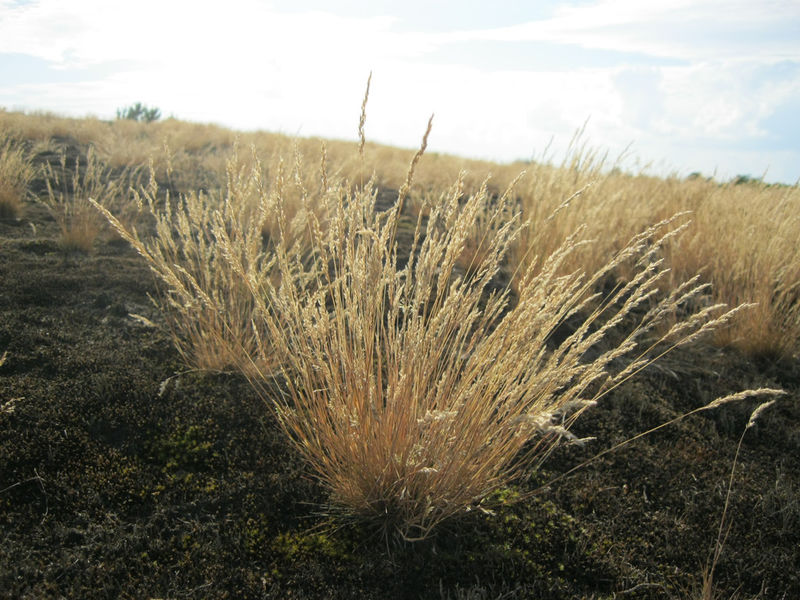
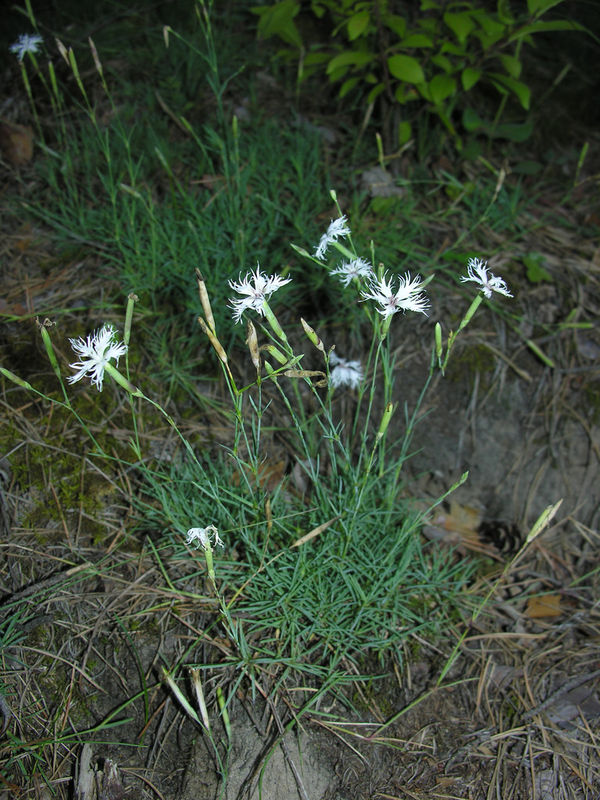

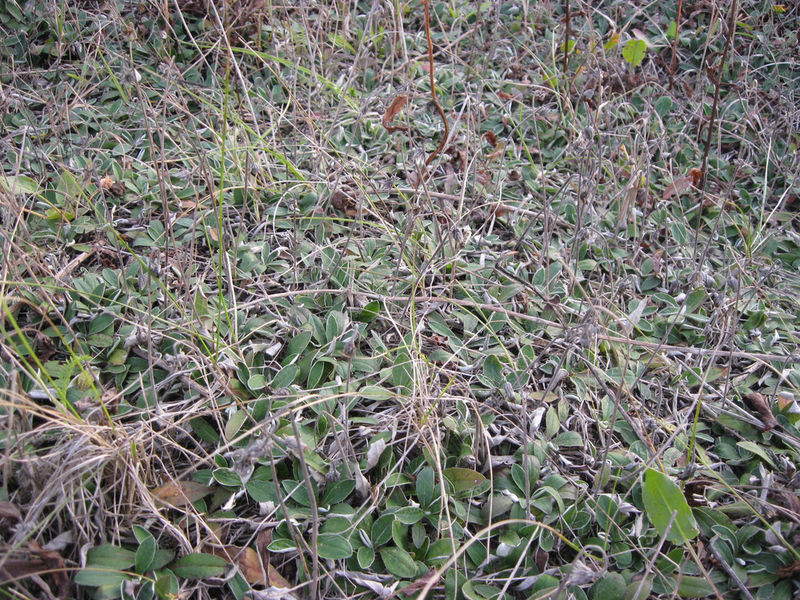
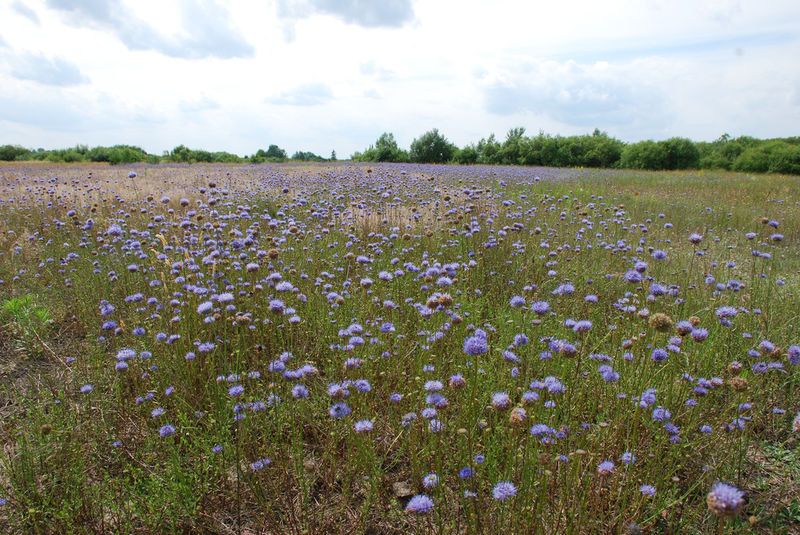
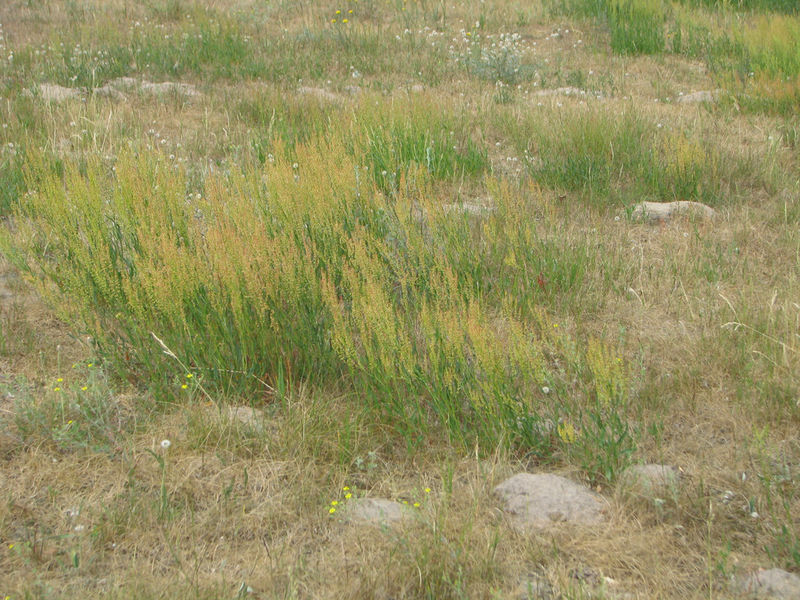
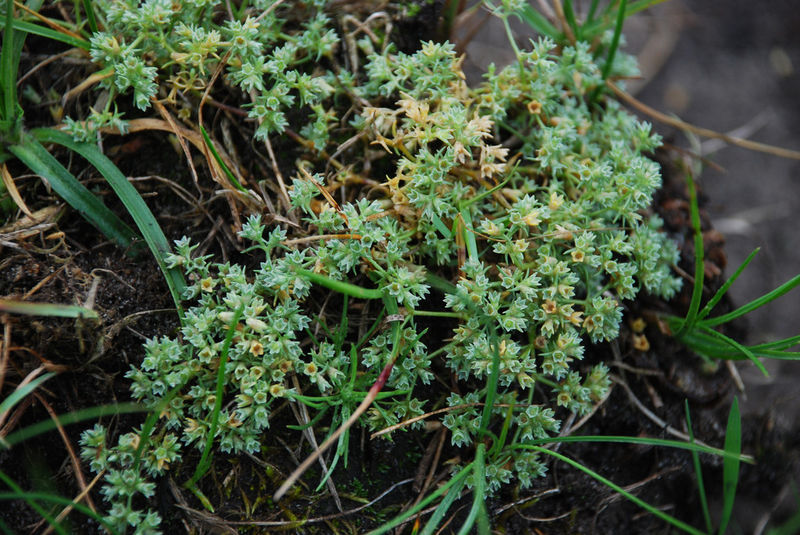
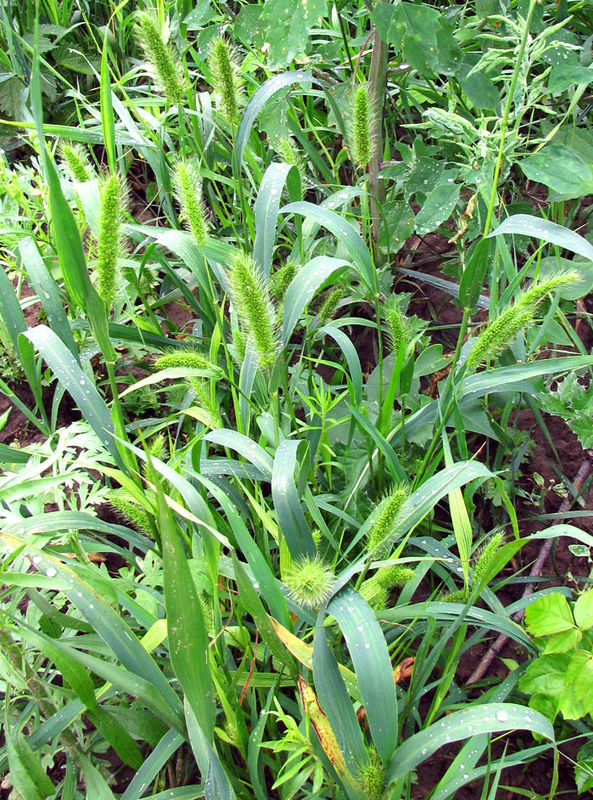
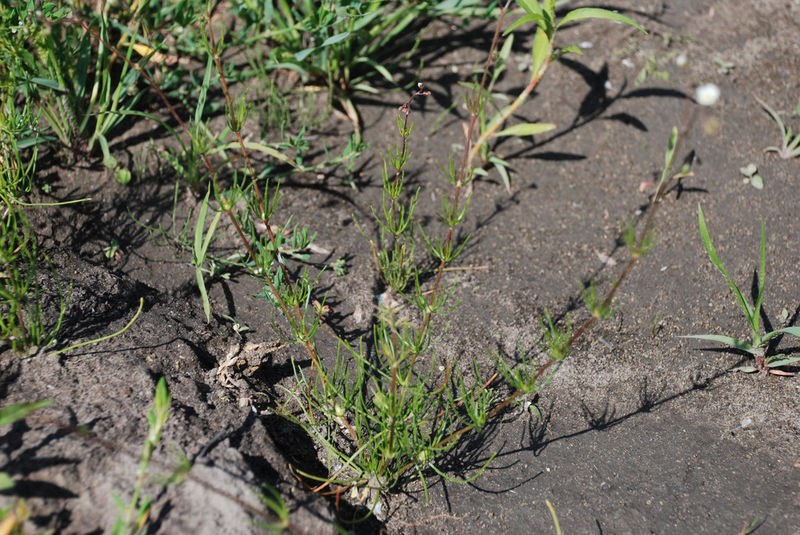
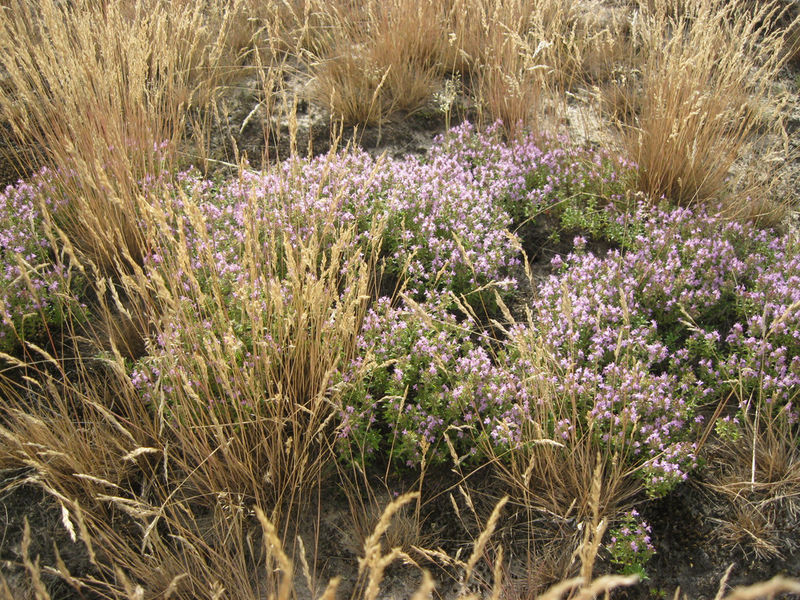
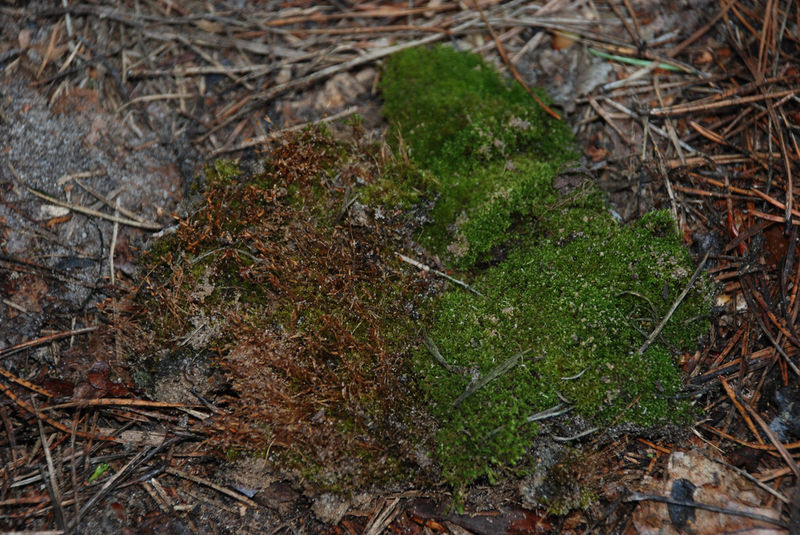

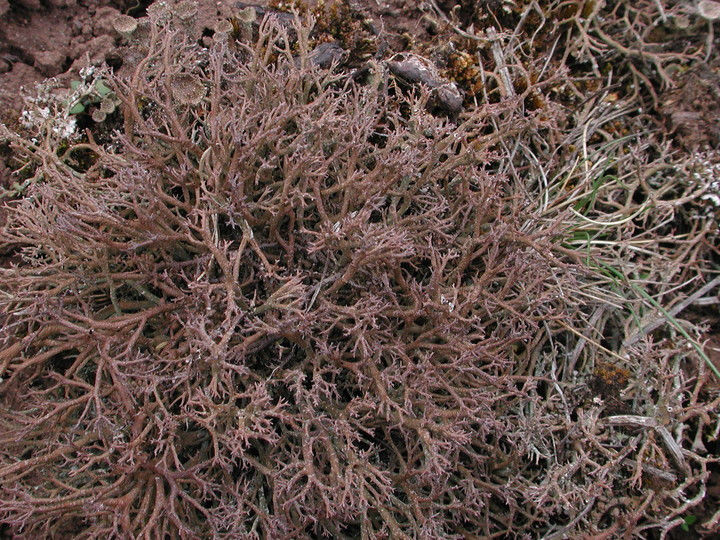


Structure. The habitat is formed by the thin (40-70% of cover) low-herb one-or two-layered communities, represented by the small number of species, mainly psammophilous (
Corynephorus canescens ,
Thymus serpyllum ), less acidophilic (
Calluna vulgaris ) ones. Projective cover of moss layer varies depending on the age of communities and the substrate type. Sometimes these habitats occupy large areas.
Ecological characteristic. The habitat is characterized by the pioneer vegetation which is developed on the open sand, dry dunes, as a result of erosion or anthropogenic influence (terraces, shooting ranges, roadsides in sand forests). Substrate is mainly very poor in nutrients, humus and calcium (to total its absence). It plays a role in the stabilization of the moving sand substrate.
Threats. Natural succession, afforestation, sand extraction.
Management. Restoration of the communities by means of reiterative mechanical interventions (elimination of tree species, creation of the open sites that are suitable for the passage of primary succession stages).
References. Chytrý, 2010; Chytrý, Kučera, Koči (eds.), 2001; Matuszkiewicz, 2001; Toman, 1988.
Authors: L. Borsukevych, О. Kuziarin.