3130
Oligotrophic to mesotrophic standing waters with vegetation of the Littorelletea uniflorae and/or of the Isoëto-Nanojuncetea
Syntaxonomy. Eleocharition soloniensis Philippi 1968: Eleocharito acicularis-Limoselletum aquaticae Wendelberger-Zelinka 1952, Lythro-Pulicarietum vulgaris Timár 1950; Nanocyperion flavescentis Koch ex Libbert 1932: Cypero-Juncetum bufonii (Felföldy 1942) Soó & Csűrös 1949, Cypero-Limoselletum (Oberd. 1951) Korneck 1960; Littorellion uniflorae Koch 1926: Ranunculo flammulae-Juncetum bulbosi Oberdorfer 1957, Ranunculo flammulae-Juncetum articulate Jirasek 1998.
Species:
Alopecurus aequalis ,
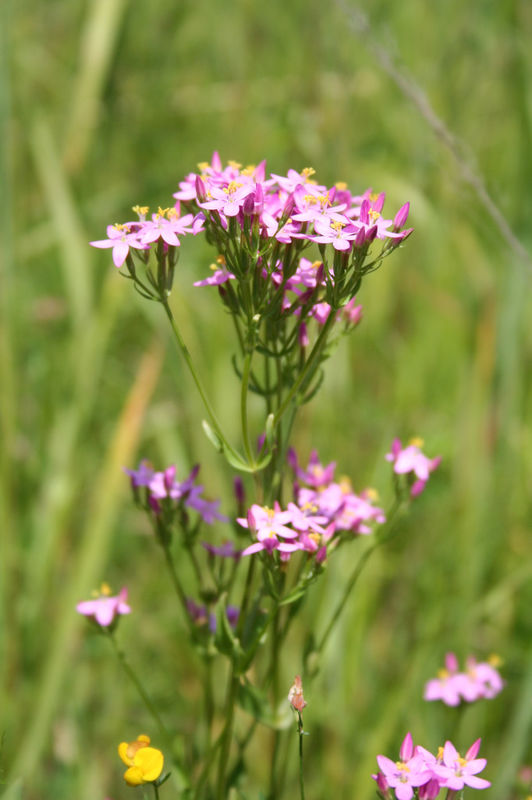
Centaurium pulchellum Photo: О. Кагало,
Cyperus fuscus ,
Eleocharis acicularis ,
Juncus bulbosus **,
J. bufonius ,
Gnaphalium uliginosum Photo: Д. Кочетков,
Limosella aquaticа ,
Peplis portula ,
Plantago intermedia ,
Potentilla supina Photo: Л. Онищенко,
P. reptans ,
Pulicaria vulgaris Photo: Н.Сичак,
Pycreus flavescens Photo: Г. Конечная,
Ranunculus sceleratus ,
R. flammula Photo: Л. Онищенко,
Rorippa palustris Photo: А. Барыщенко.
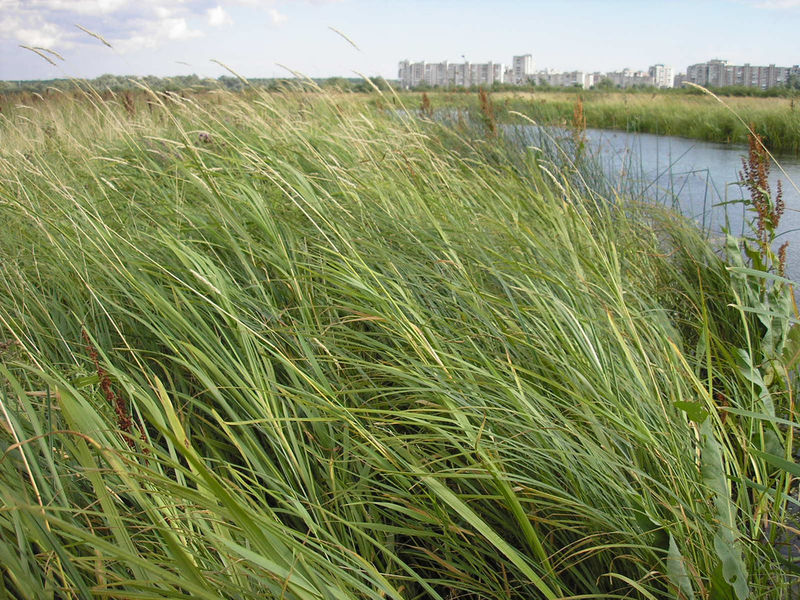
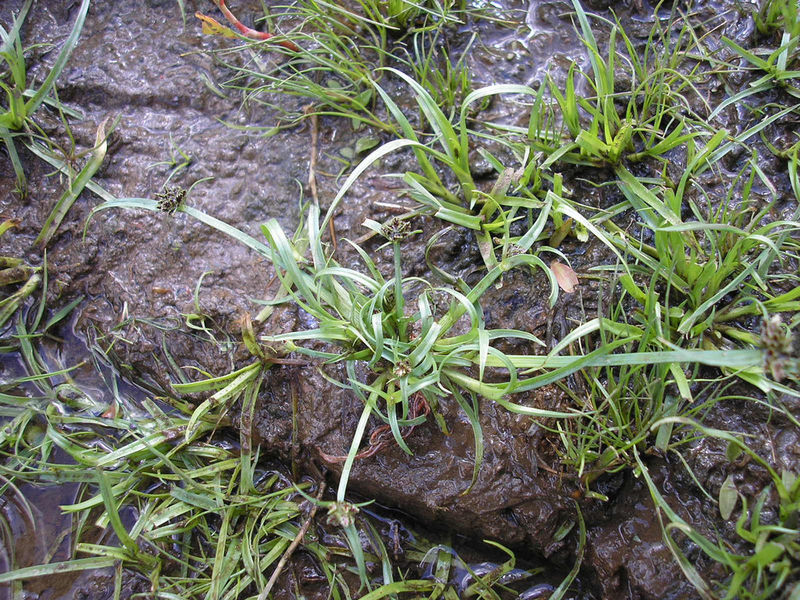
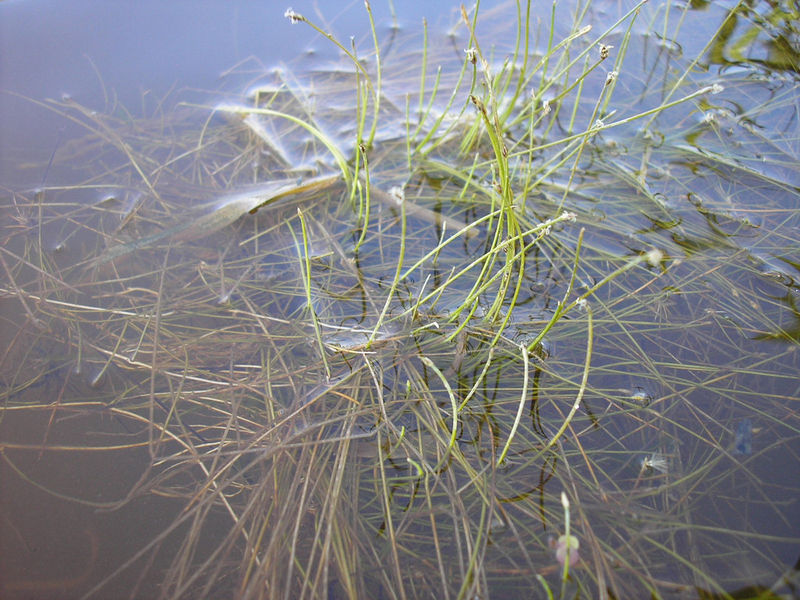

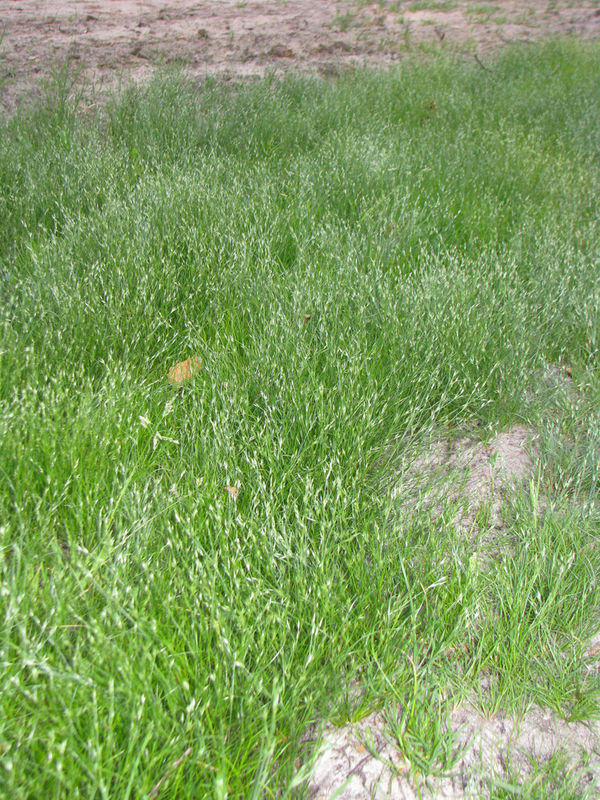
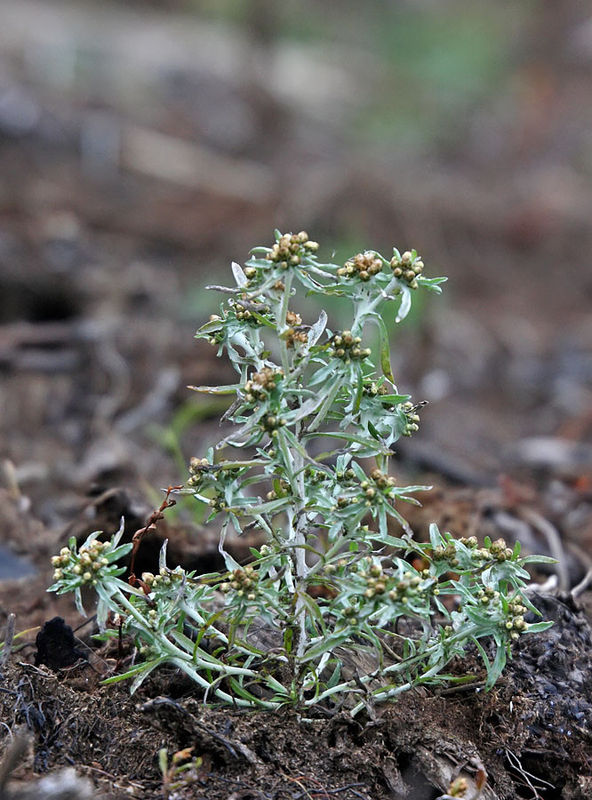
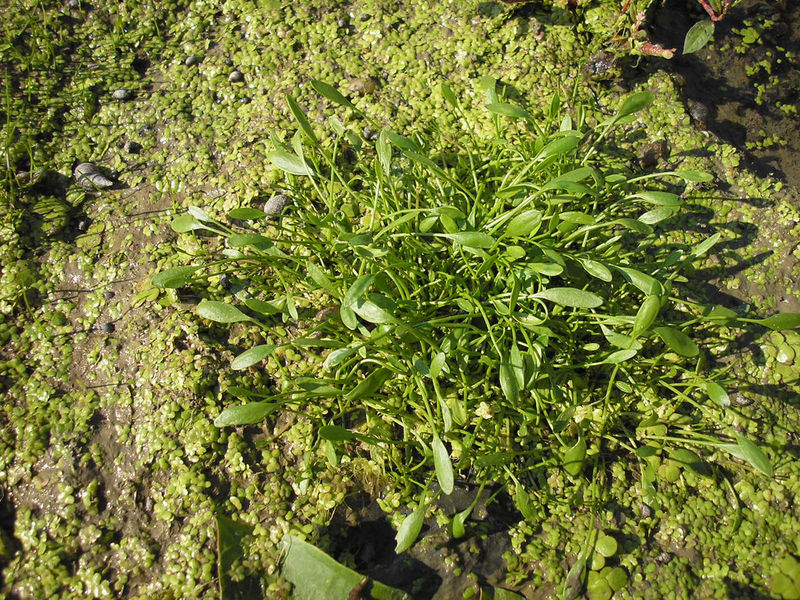

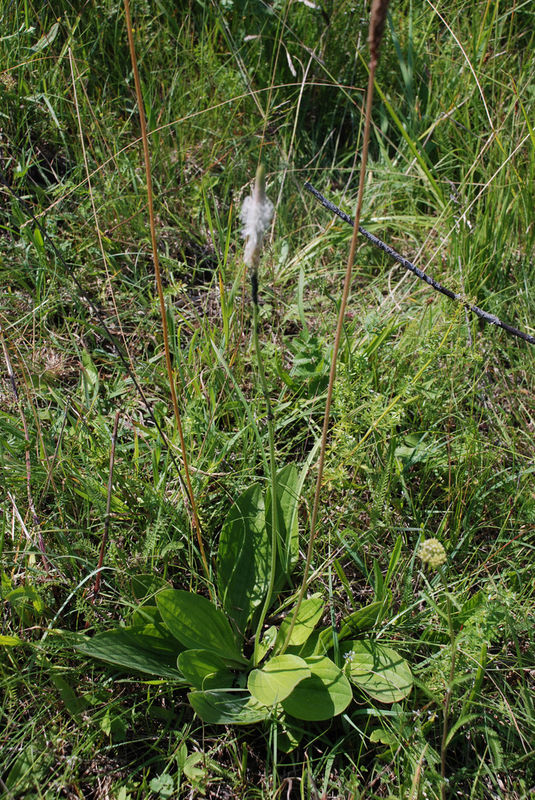
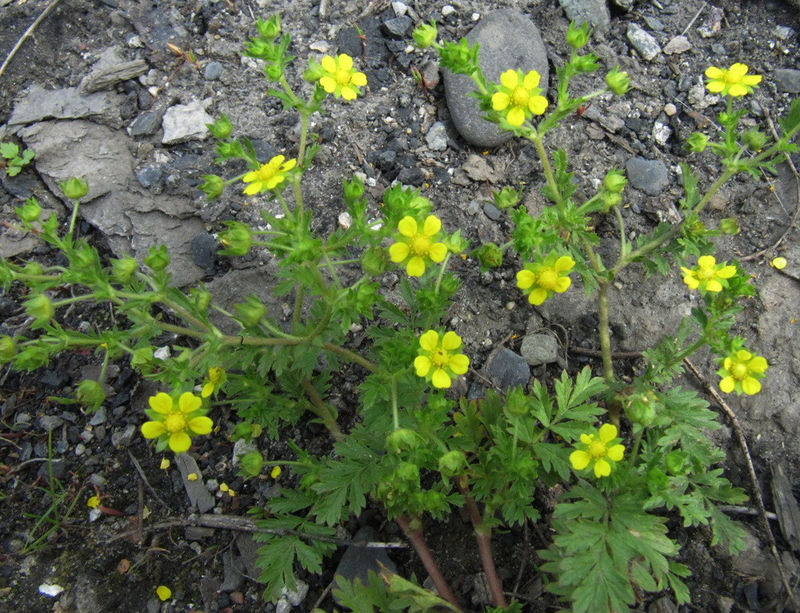
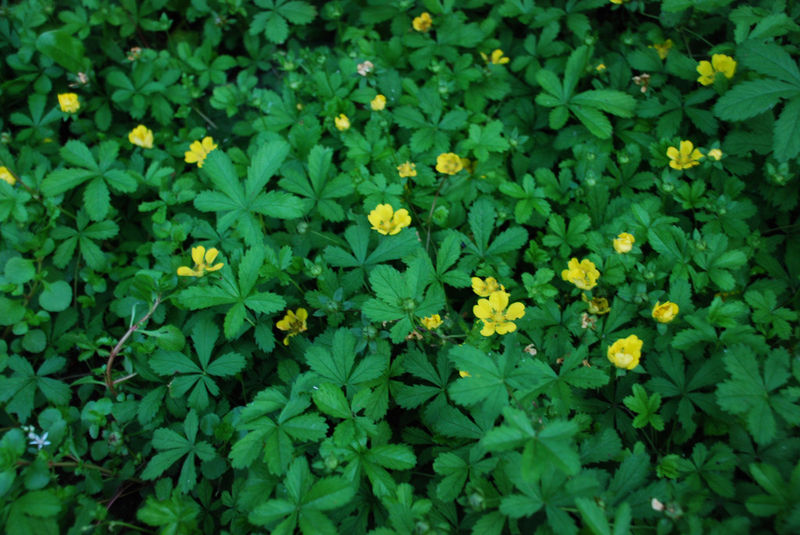
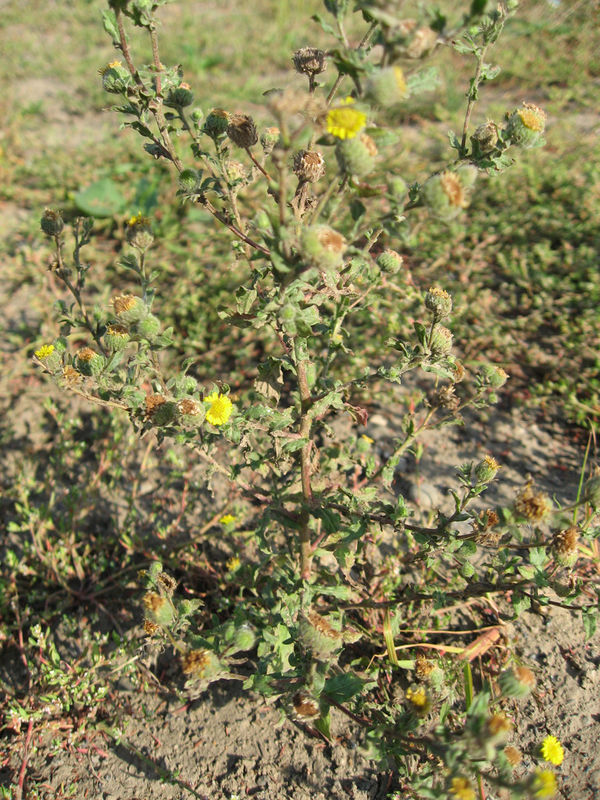
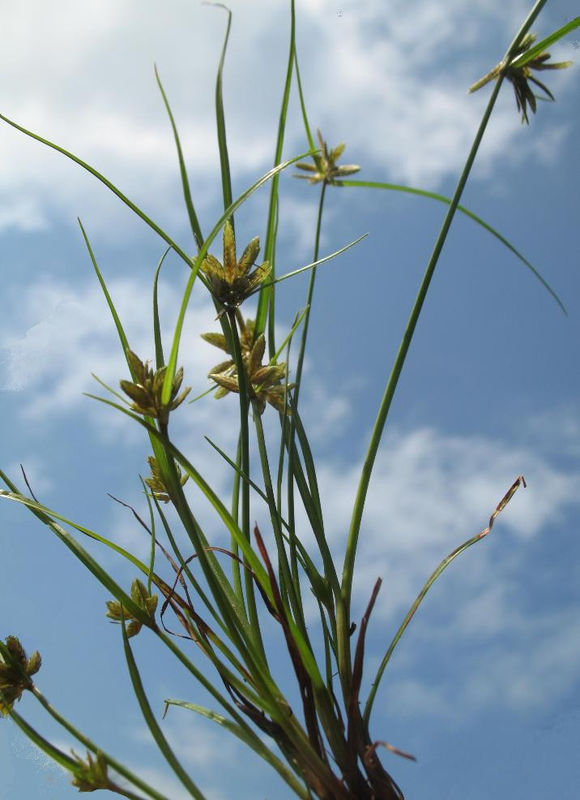
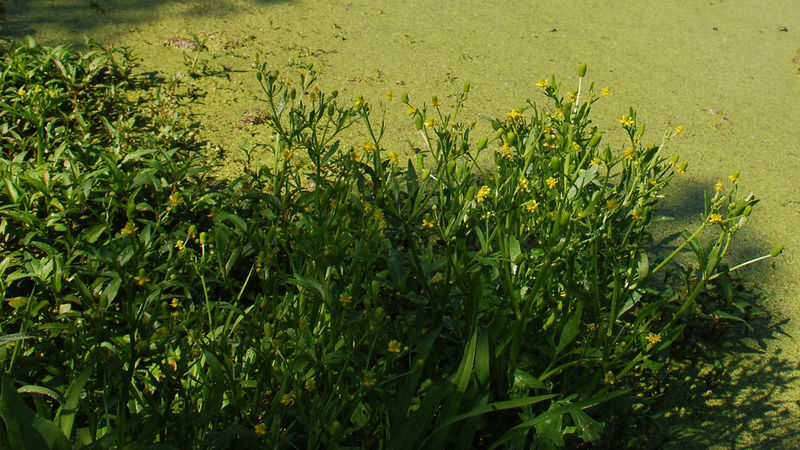
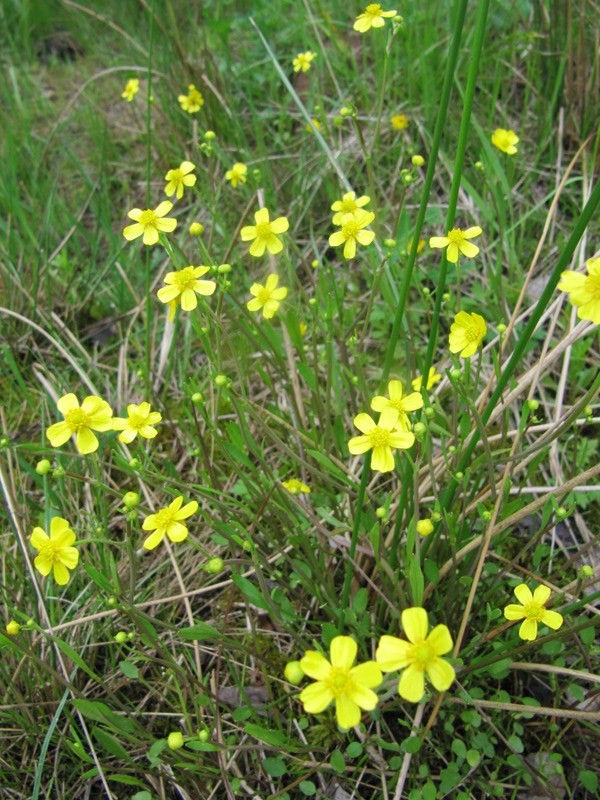
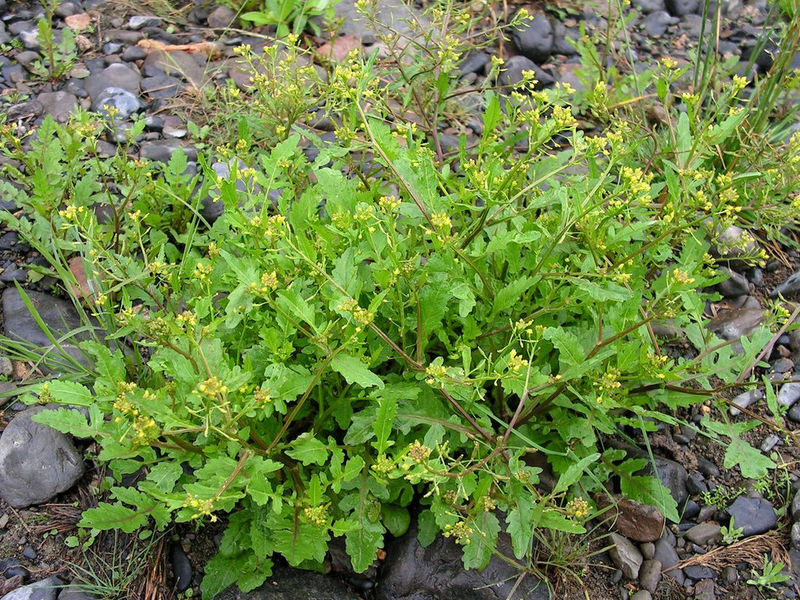
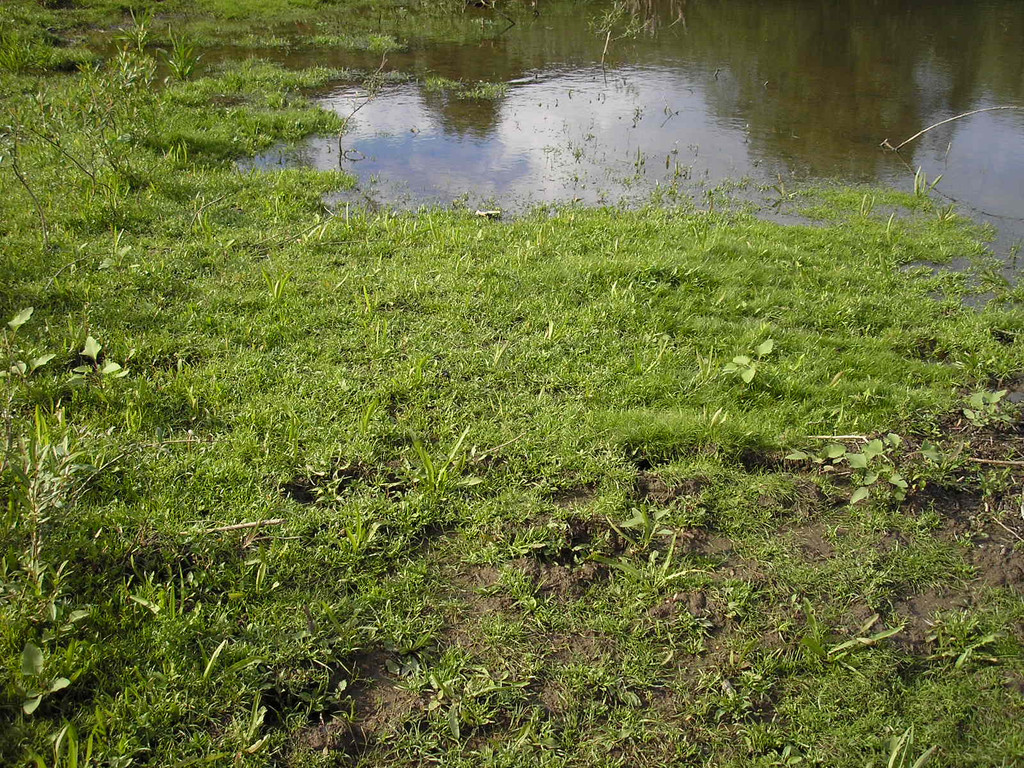
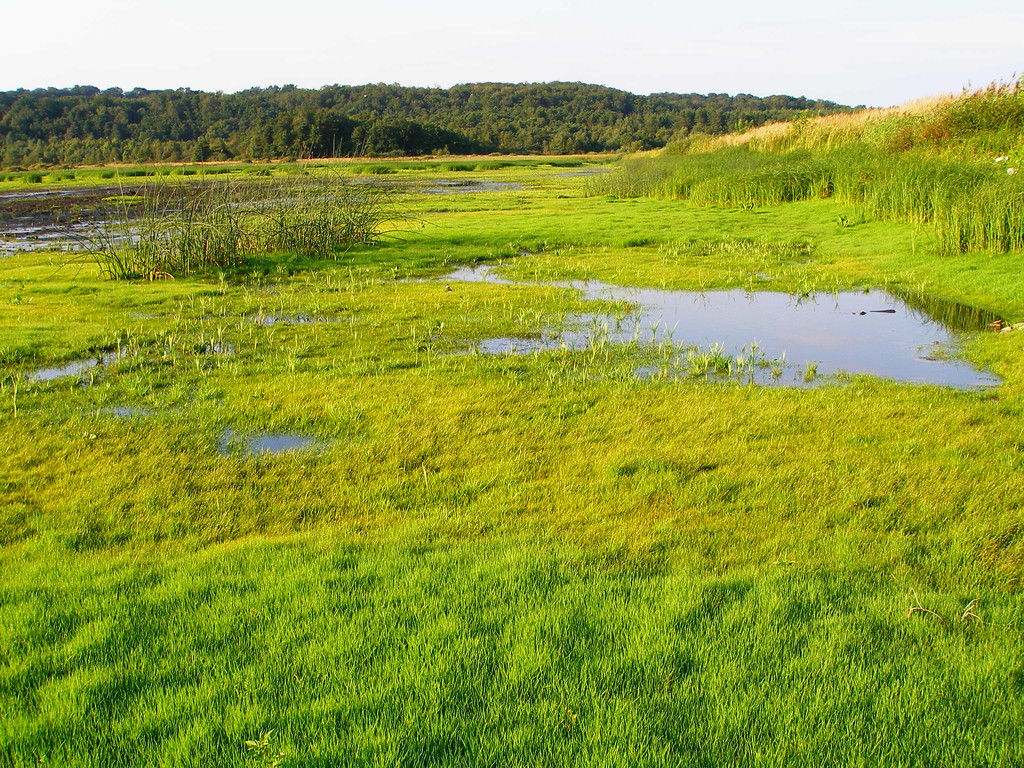
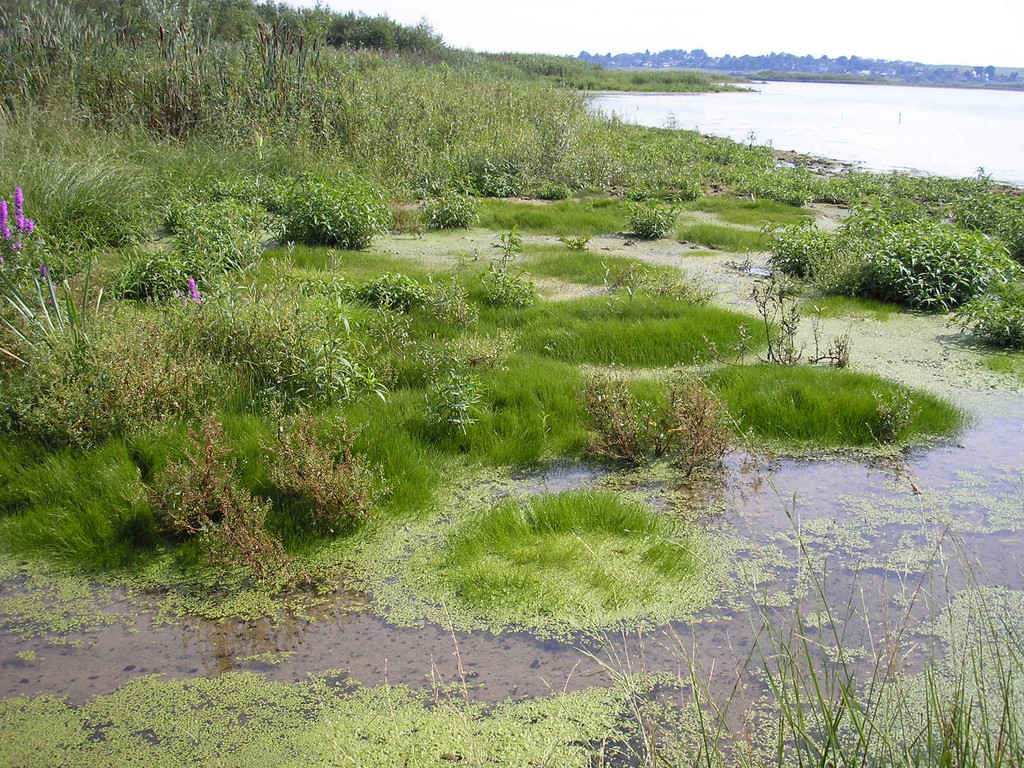
Structure. Vegetation of the habitat is mainly composed of the low-growing semi-aquatic pioneer communities of small, mainly annual, ephemerophytes with a short vegetation cycle, rapidly developing on the wet substrate of the shallows devoid of water and adapted both to frequent periods of drying up and to those of total inundation. The specific richness is usually slight, sometimes communities are monodominant. Number of species in coenosis ranges from 4 to 21. Many of them are capable to form aquatic and terrestrial forms with submerged and floating leaves etc. These communities are often of the temporary character, depending on the water level they can appear not every year. Periodic fluctuations of water level and alternation of the inundation and partial drying up phases are an important precondition for the existence of this type of vegetation. Under the long drying up these communities vanish as a result of the pioneer-ruderal vegetation succession. Habitats generally occupy a small area – from one to several square meters. In affected areas ruderal species are often found within these communities.
Ecological characteristic. Pioneer communities which are typical for the habitat, are formed in natural or artificial basins (meander lakes, ponds, shallow blind river arms and creeks, pools, small depressions, flooded fields and field roads) with stagnant or slowly flowing water. They are often developed in artificial basins at the early stages after water draining or during the middle of summer in lowland rivers on periodically drying up shallow water of riparian zone. They usually occur on sandy and sand-salty bottom sediments with neutral or weekly acidic reaction and water column of 0-20 cm.
Threats. Change of hydrological regime (adjustment of floodplains, construction of dikes), overgrowing of the shallows by the pioneer ruderal vegetation under the long dehydration, change of management methods in fish ponds (change of cyclic character of water draining and filling of ponds, liming and applying excessive amount of organic compounds in feed purposes), the destruction of shallow waters with alluvial deposits, excessive eutrophication of basins, applying herbicides and fertilizers on agricultural lands.
Management. Maintenance of the typical management methods in fish ponds (with periodic water draining for a long time), decrease of the amount of organic compounds used in feed purposes. Maintenance of the historical management methods on selected agricultural lands, namely without applying herbicides and preservation of the upper soil layer as a source of specific diasporas typical for the habitat.
References. Борсукевич, 2010; Дубина, 2006; Дубына, Гейны, Гроудова и др., 1993; Дідух, Фіцайло, Коротченко та ін., 2011; Кіш, Андрик, Мірутенко, 2006; Chytrý, 2011; Chytrý, Kučera, Koči (eds.), 2001; Špániková (ed.), 1985; Stanova, Valachovič (eds.), 2002; Valachovič et al., 2001.
Author: L. Borsukevych.