3160


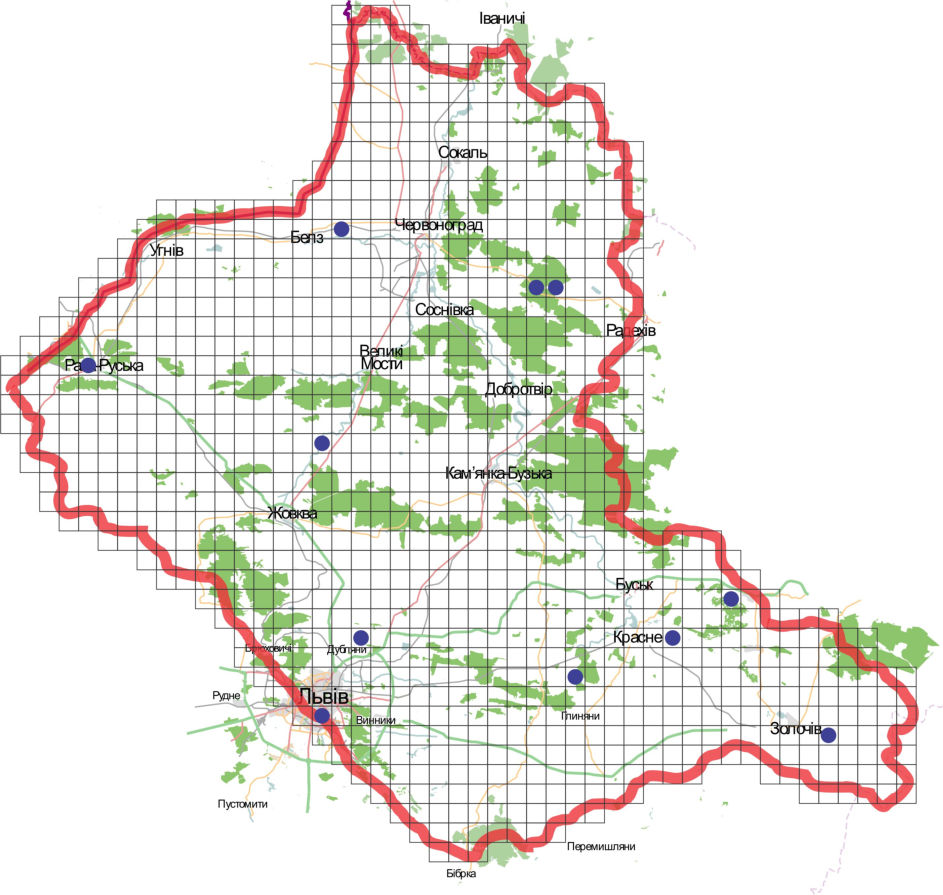
Natural dystrophic lakes and ponds
Syntaxonomy. Sphagno-Utricularion Muller et Gors 1960: Sparganietum minimi Schaaf 1925, Scorpidio-Utricularietum minoris Muller et Gors 1960, Sphagno-Utricularietum intermediae Fijalkowski 1960.
Species:
Carex rostrata ,
C. paniculata ,
Eriophorum angustifolium ,
E. latifolium ,
Hydrocotyle vulgaris **,
Menyanthes trifoliata ,
Potamogeton natans ,
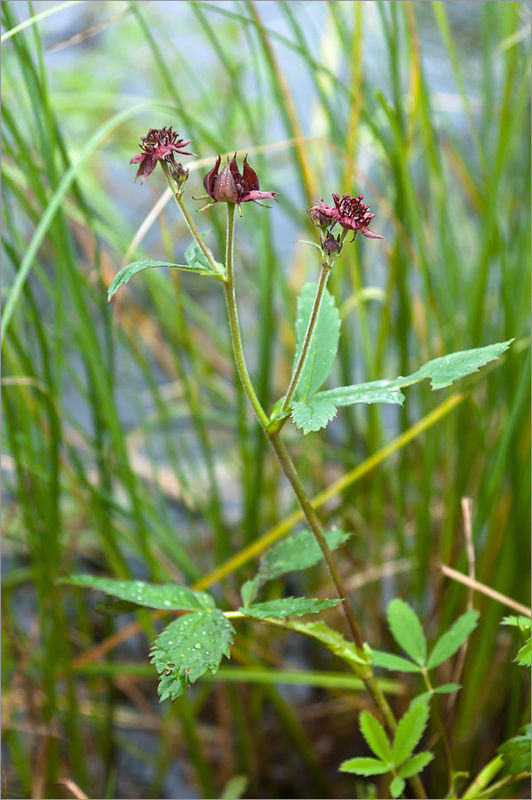
Comarum palustre Photo: М. Новикова,
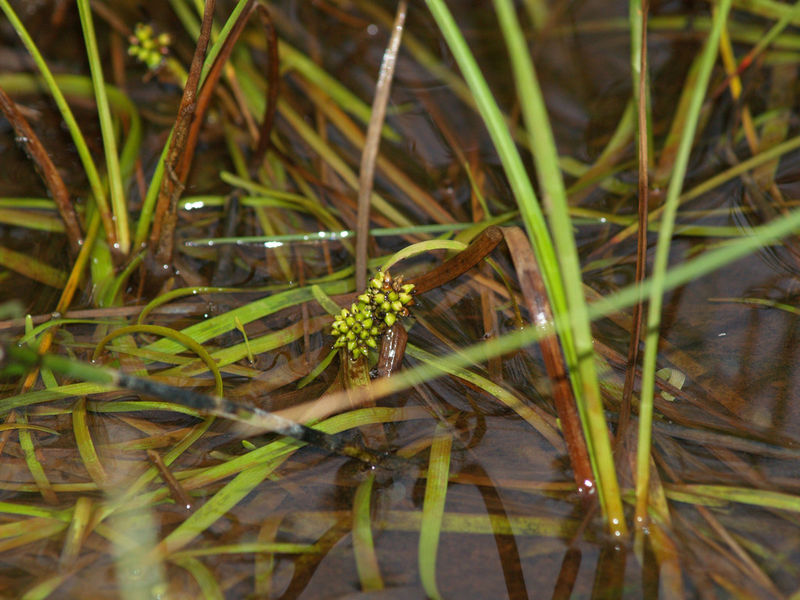
Sparganium minimum Photo: В.Буджак,
Utricularia intermedia **,
U. minor **;
mosses:
Campylium stellatum ,
Drepanocladus aduncus ,
Scorpidium scorpioides ,
Sphagnum cuspidatum Photo: J.C. Schou,
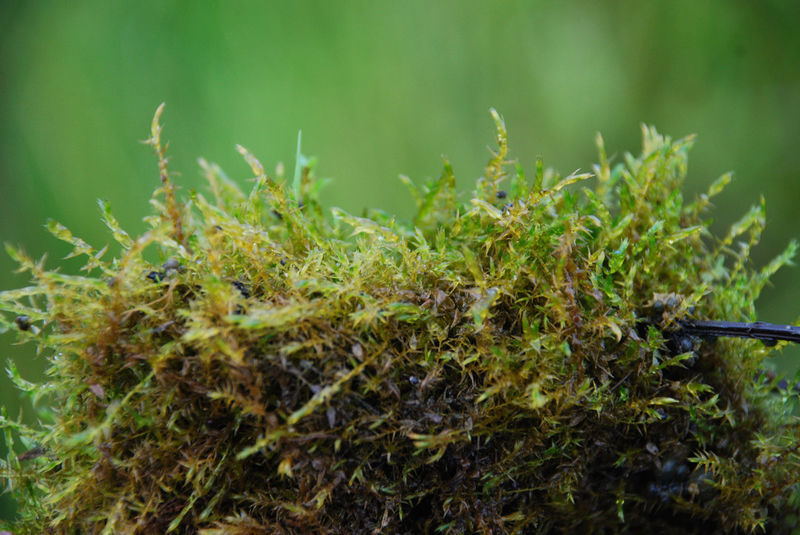
S. fallax Photo: Bernd Haynold.
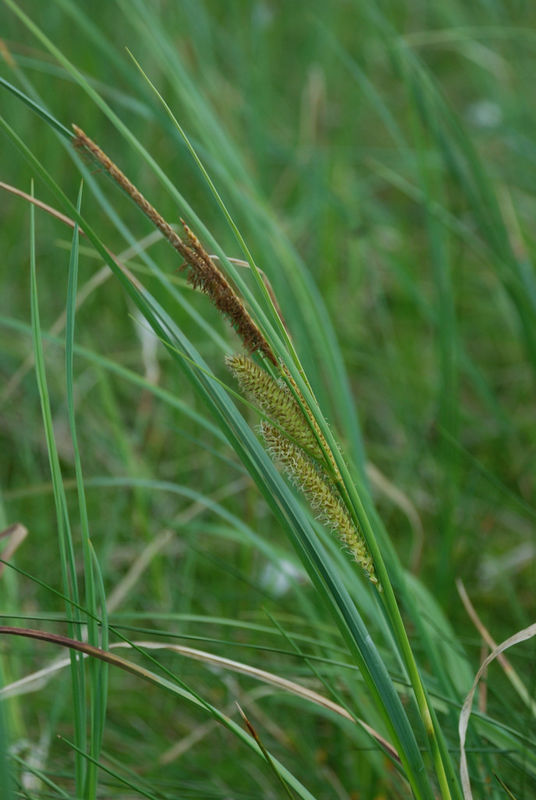
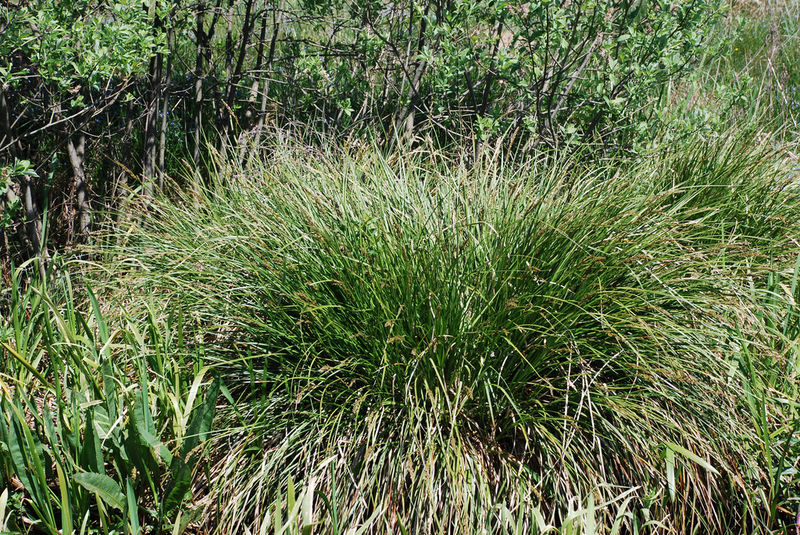

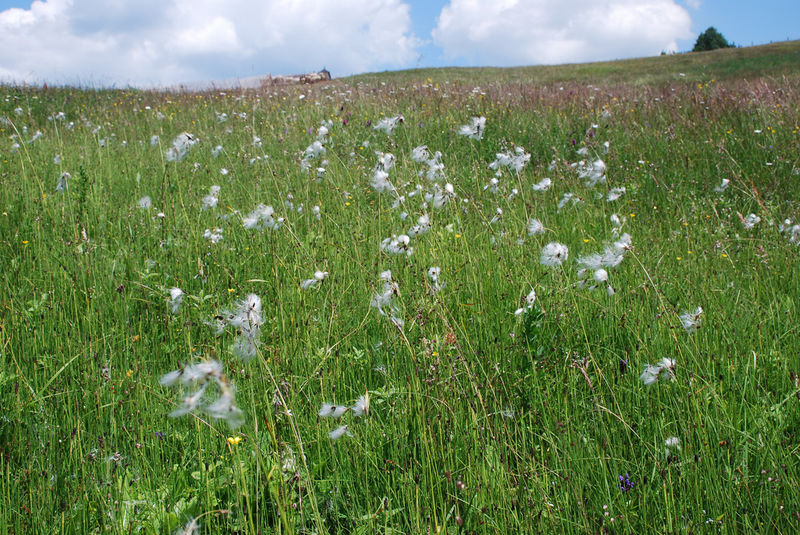




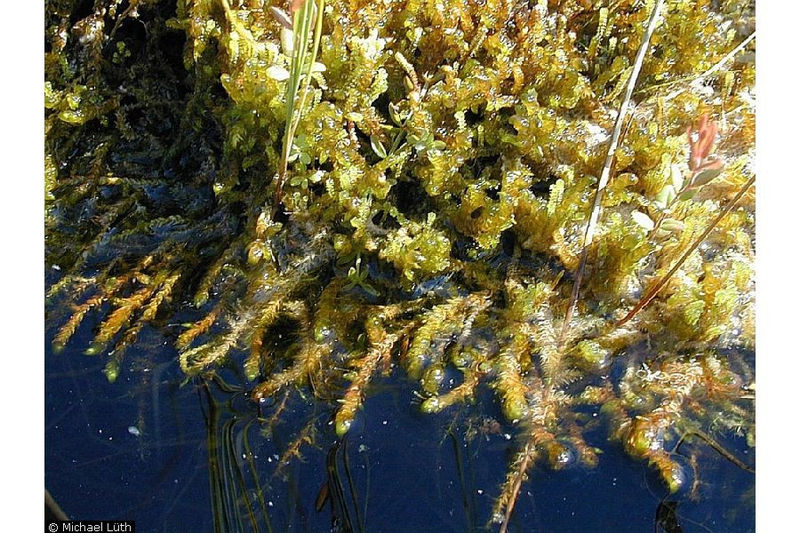


Structure. Habitat includes communities, consisting mainly of small number of species, namely rooted and freely floating plants. Utricularia species predominate (
Utricularia intermedia ,
U. minor ) among typical ones in the coenosis. Communities are mainly two-layered. In above-water layer
Carex lasiocarpa Photo: César Fernández González,
C. rostrata ,
Eriophorum angustifolium are the most common, as well as some species of adjacent communities sporadically occur. Habitat mainly occupies a small area.
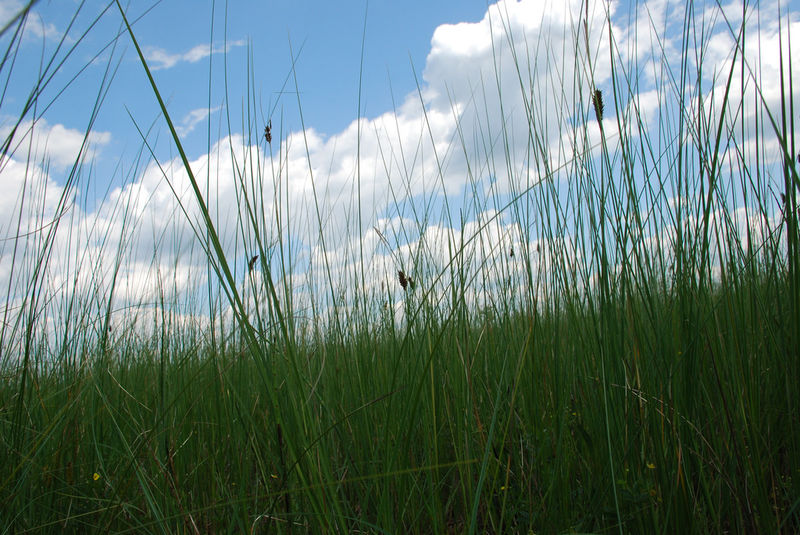

Ecological characteristic. Communities are typical for bogs, as well as they occur on the banks of shallow freshwater dystrophic basins with stagnant or slowly flowing water, with peaty, rarely sandy sediments, poor in nutrients. Water reaction is mainly acidic or neutral, with a high content of humid acids.
Threats. Change of hydrological regime, namely eutrophication, lowering the water level, peat extraction
Management. Maintenance of the appropriate hydrological regime, elimination of the factors causing the eutrophication of basins.
References. Дубына, Гейны, Гроудова и др., 1993; Chytrý, 2011; Chytrý, Kučera, Koči (eds.), 2001; Matuszkiewicz, 2001, Černohous, Husak, 1992; Stanova, Valachovič (eds.), 2002; Valachovič et al., 1995; Viceníková, Polák, 2003.
Author: L. Borsukevych.