3260
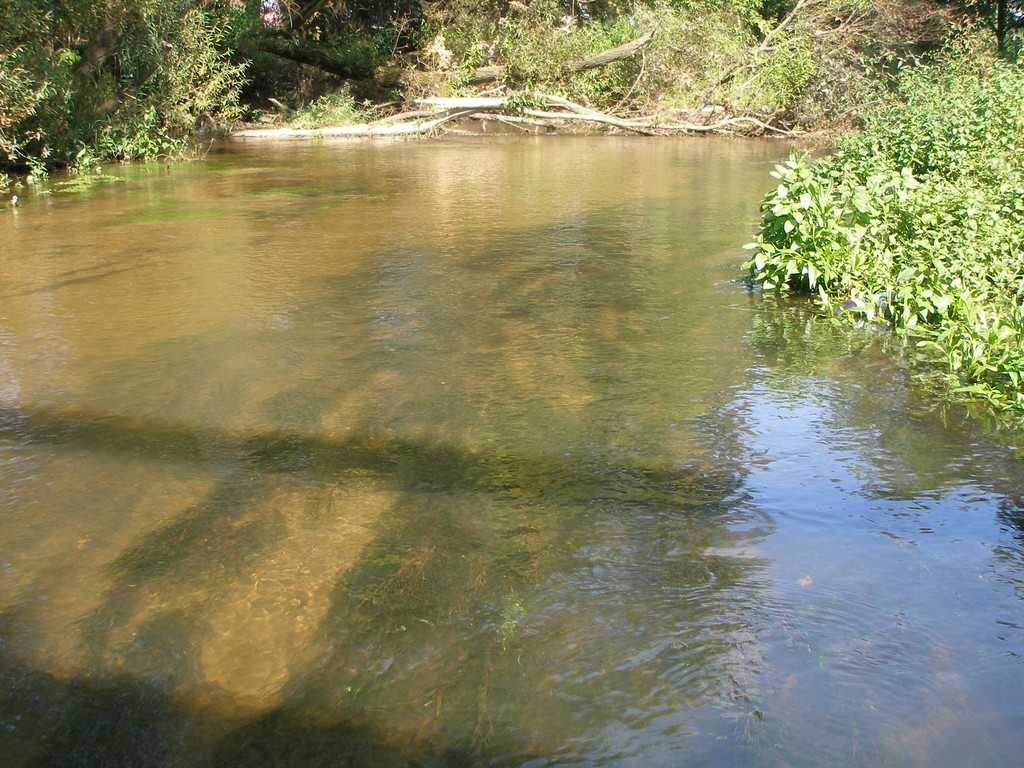
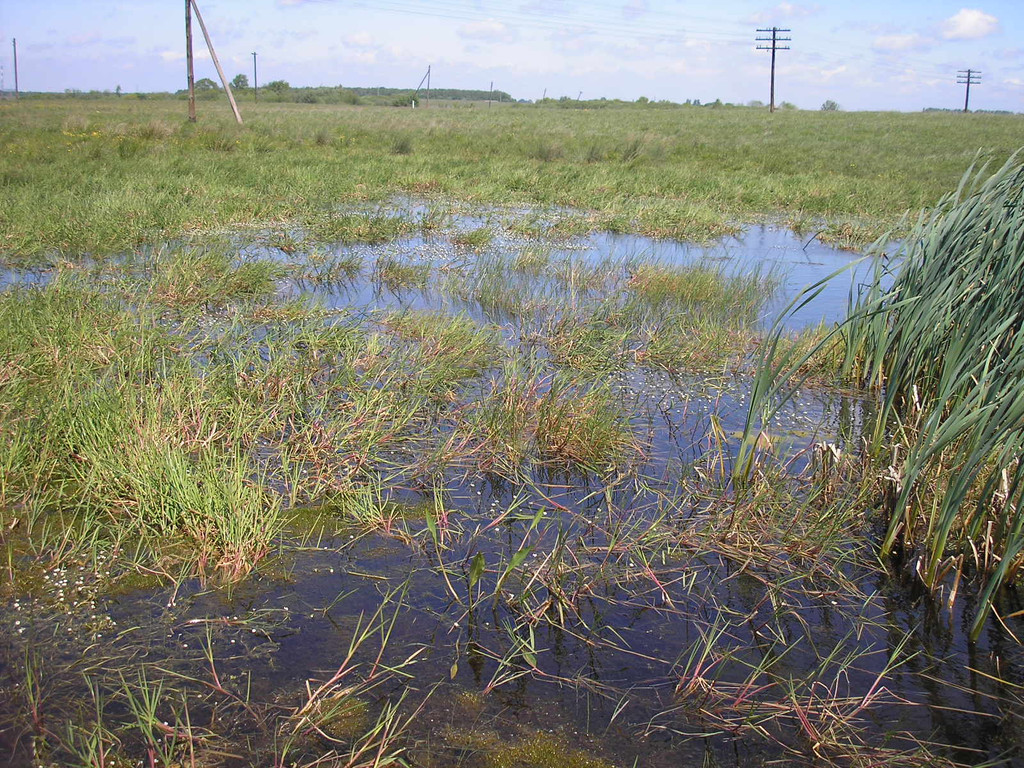
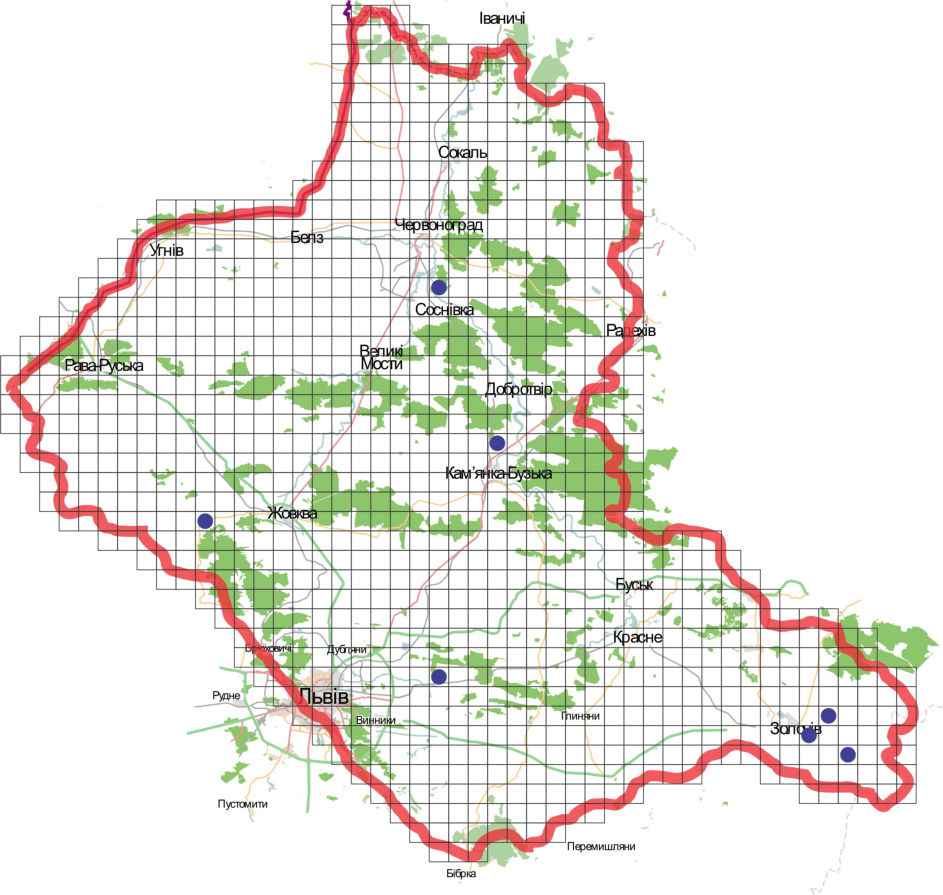
Water courses of plain to montane levels with the Ranunculion fluitantis and Callitricho-Batrachion vegetation
Syntaxonomy. Batrachion fluitantis Neuhausl 1959: Ranunculetum aquatilis Gehu 1964, Batrachio-Callitrichetum hamulatae Oberdorfer 1957, Batrachiо trichophylli–Callitrichetum cophocarpae Soó (1927) 1960.
Specific composition.
Species:
Batrachium aquatile ,
B. trichophyllum ,
Siella erecta Photo: В. Свириденко,
Butomus umbellatus ,
Callitriche cophocarpa ,
Myriophyllum verticillatum ,
Nasturtium officinale *,
Potamogeton crispus ,
P. nodosus ,
P. perfoliatus ,
Sagittaria sagittifolia ,
Sparganium emersum ;
mosses:
Fontinalis antipyretica Photo: http://www.ekzotika.com/plant33,
Rhynchostegium riparioides Photo: Kristian Peters.

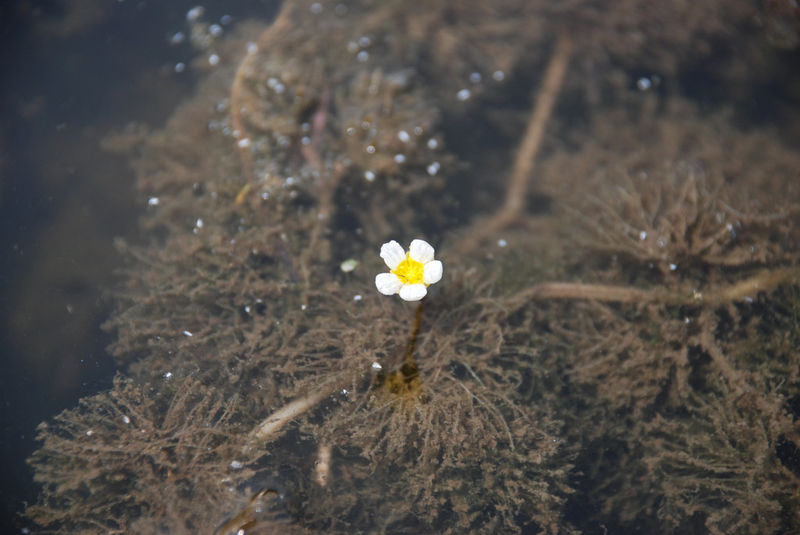
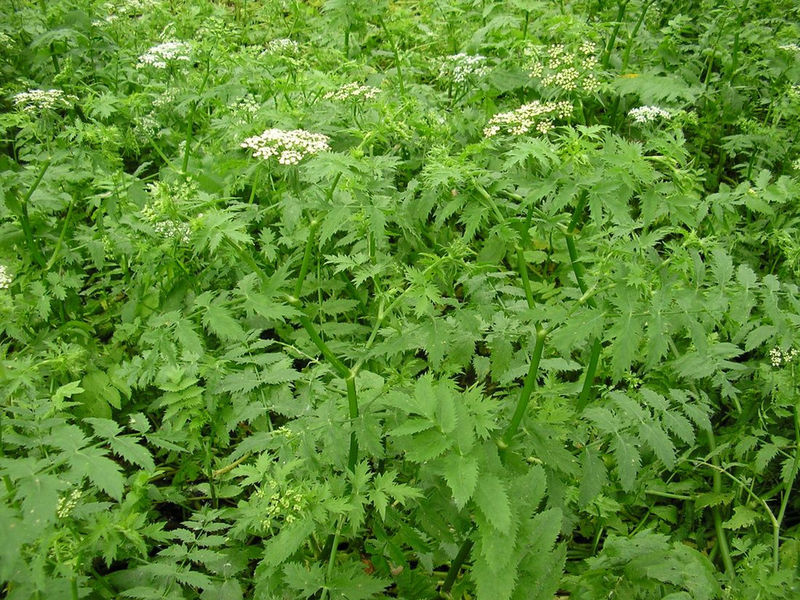
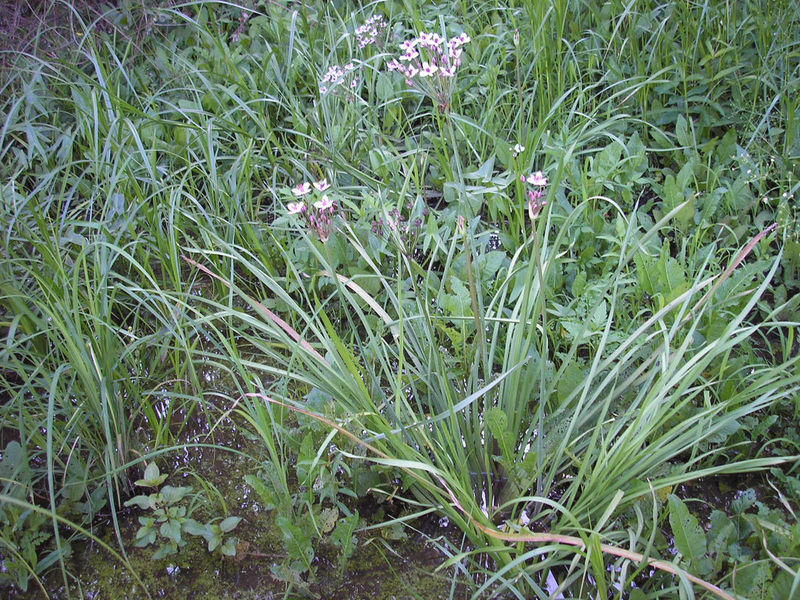
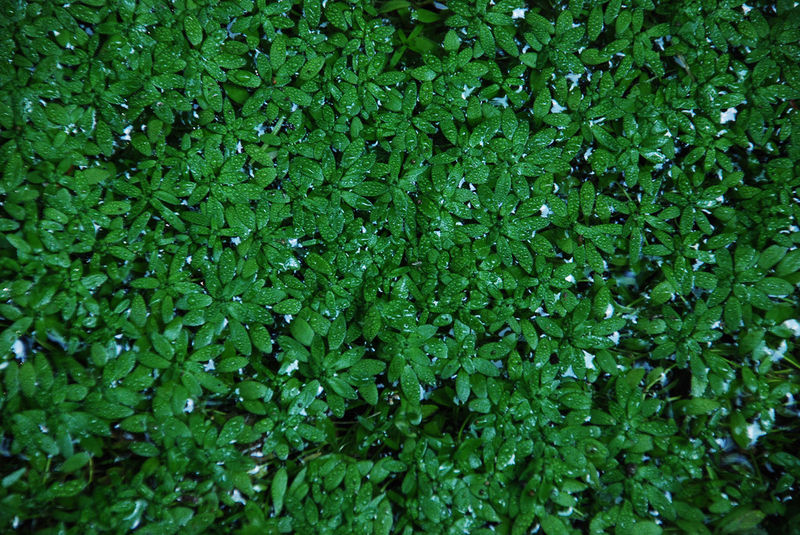
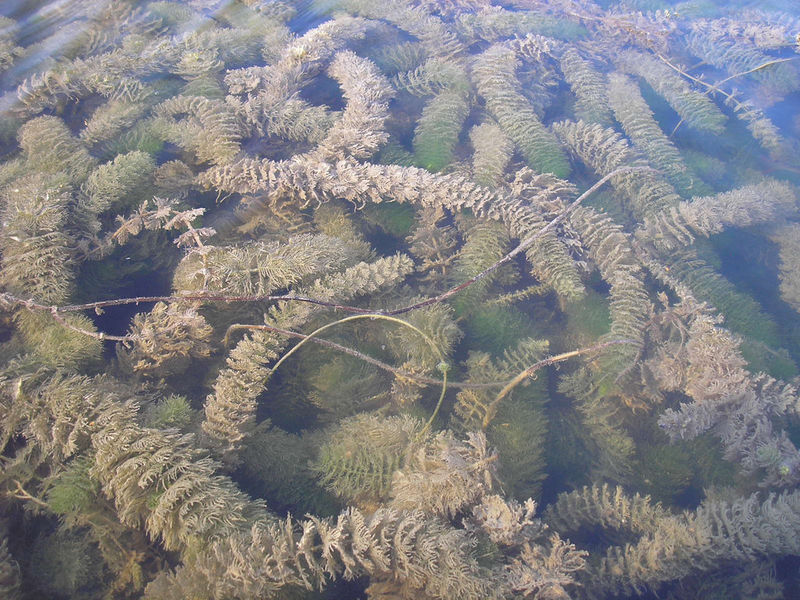


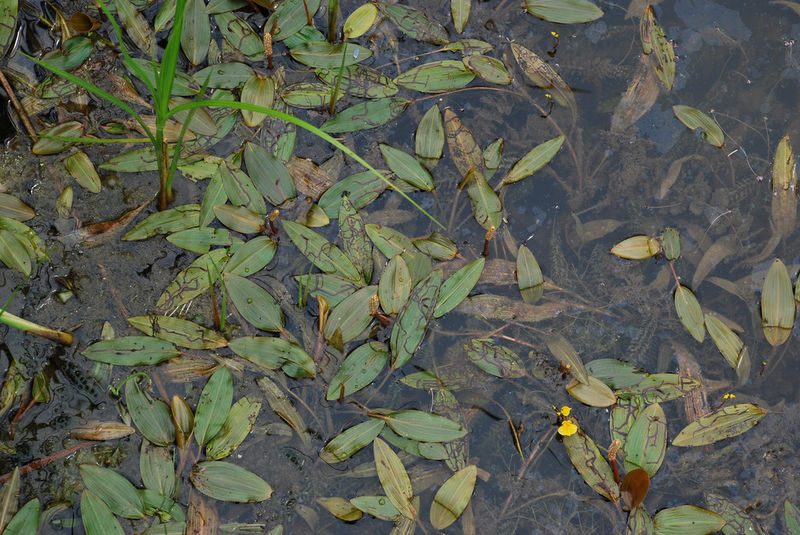


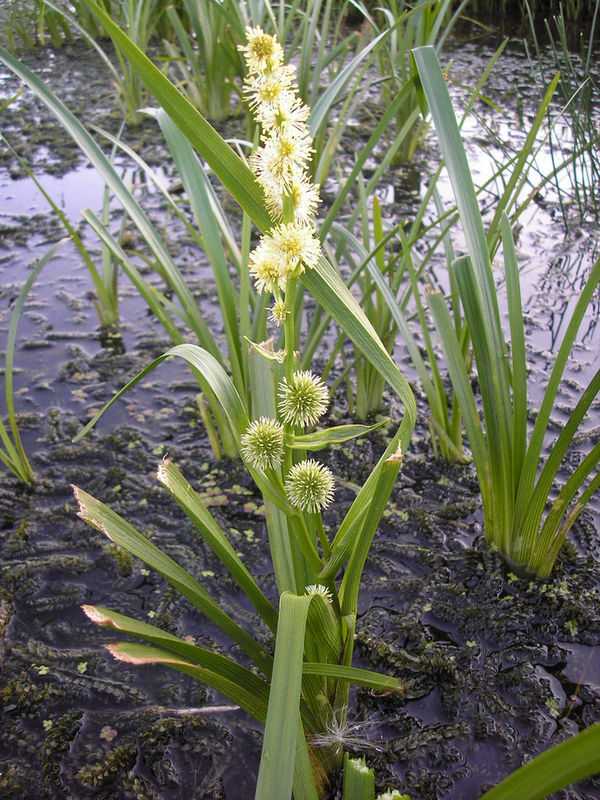

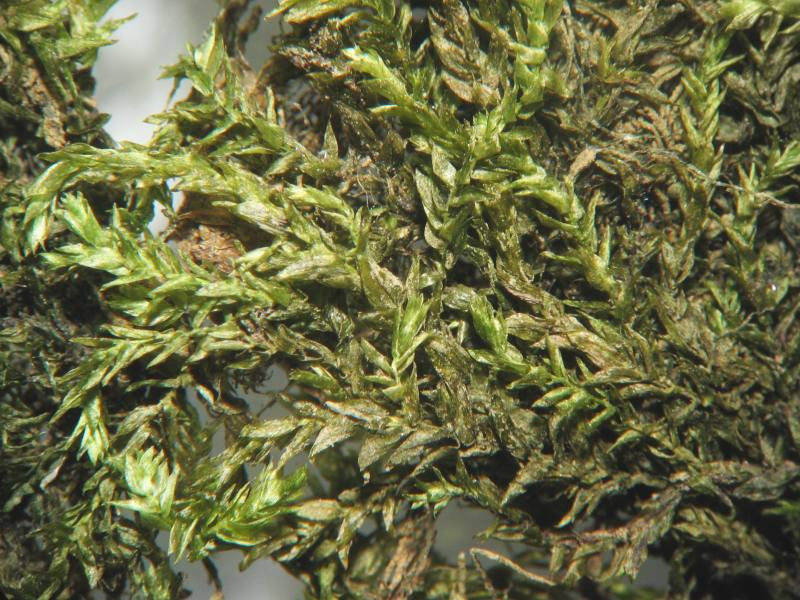
Structure. The habitat is formed by one- or two-layered communities, consisting mainly of small number of species, namely rooted plants, which are distributed along the main channel of streams. The dominant species are those which are submersed in the water depth (or partially floating on the surface) and form mosaic communities. Some partially submerged species, in particular
Butomus umbellatus ,
Sagittaria sagittifolia ,
Sparganium emersum , that tolerate periodic flooding can also occur within these communities. Aspect and vegetation structure of the habitat depends a lot on the river channel type, the shape of shore strips and stream rate. The vegetation type can vary essentially all the year, depending on the water level and stream rate and can either completely cover the surface of river pool or remain completely under the water for a long time (during the periods of high water).
Ecological characteristic. The habitat is formed by communities which are developed in the flowing water of streams, channels, rivers (mainly in the middle and lower streams) and permanent or ephemeral basins with flowing water. The most formed vegetation is observed under the small stream rate. Communities are common in mesotrophic and mesoeutrophic basins with weekly acid or neutral water reaction and mainly occur on the silt-sandy, less sandy or rocky, bottom sediments.
Threats. Change of hydrological regime (adjustment of natural river channels), construction of dikes, pollution and water eutrophication.
Management. Maintenance of the natural regime of rivers, decrease of water eutrophication level.
References. Дідух, Фіцайло, Коротченко та ін., 2011; Кіш, Андрик, Мірутенко, 2006; Chytrý, Kučera, Koči (eds.), 2001; Černohous, Husak, 1986; Stanova, Valachovič (eds.), 2002; Valachovič et al., 1995; Viceníková, Polák, 2003.
Author: L. Borsukevych.