3270
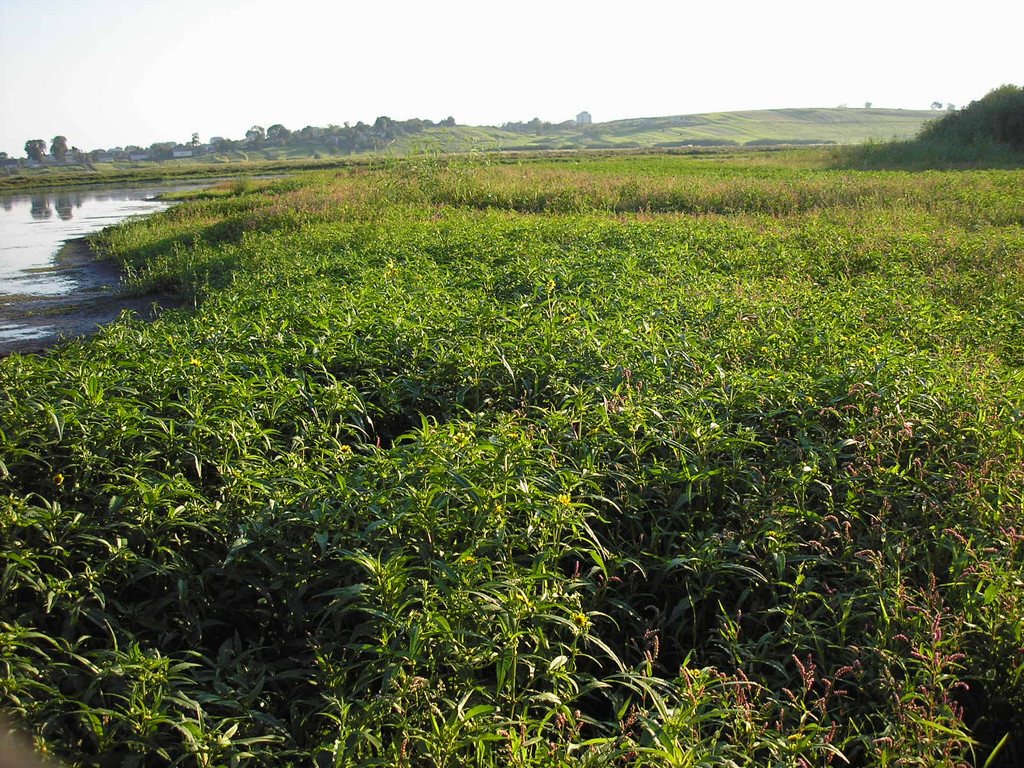
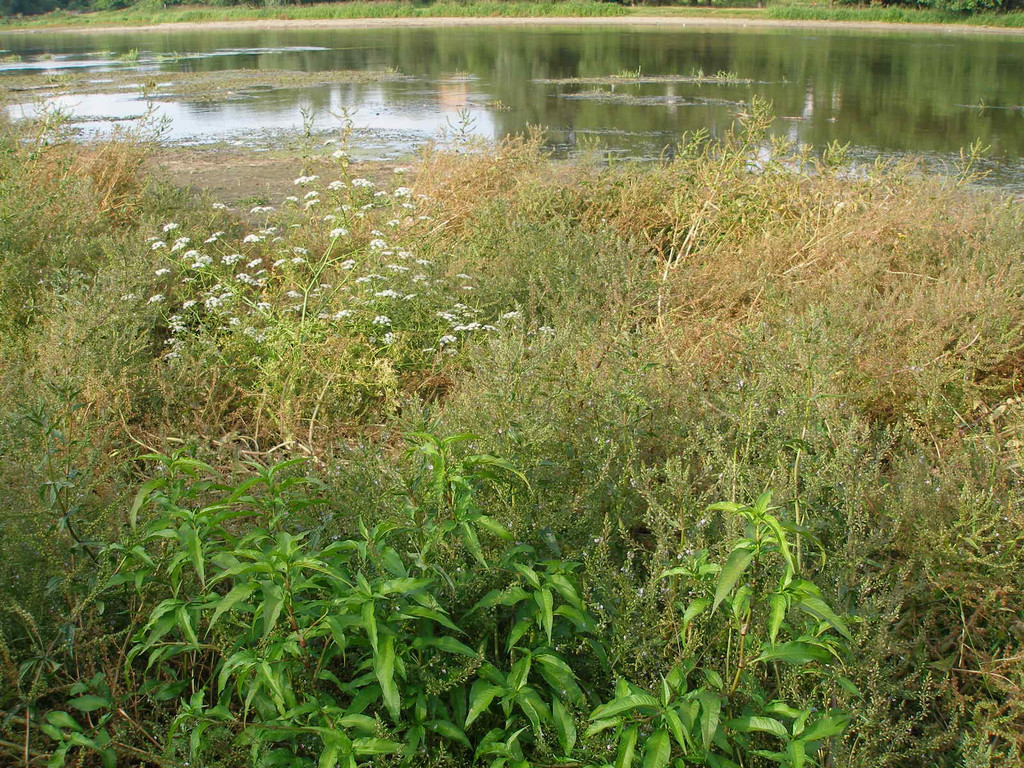
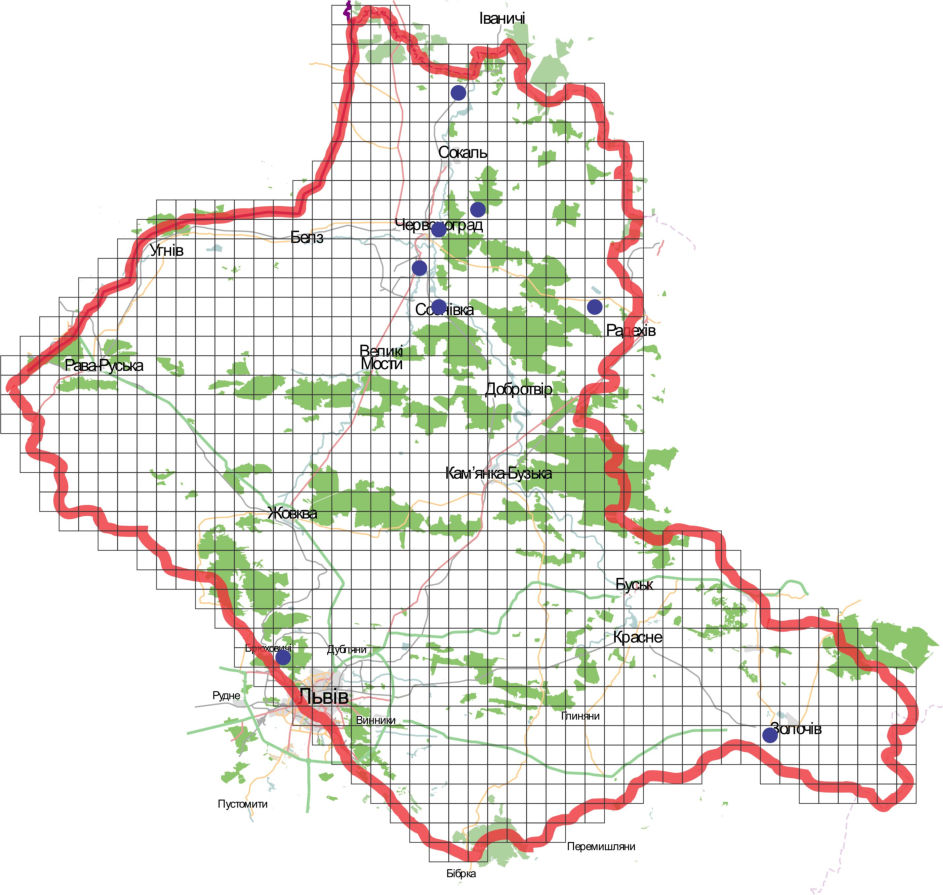
Rivers with muddy banks with Chenopodion rubri p.p. and Bidention p.p. vegetation
Syntaxonomy. Bidention tripartiti Nordh. 1940: Bidentetum cernui Kobendza 1948, Bidenti-Polygonetum hydropiperis Lohmeyer in R.Tx. 1950 nom. inv., Rumicetum maritimi Siss. 1946, Catabroso-Polygonetum hydropiperis (Lohm. 1942) Poli et J. Tx. 1960; Chenopodion fluviatile R. Tx. 1960: D. c. Chenopodium rubrum – Bidens frondosa, D. c.
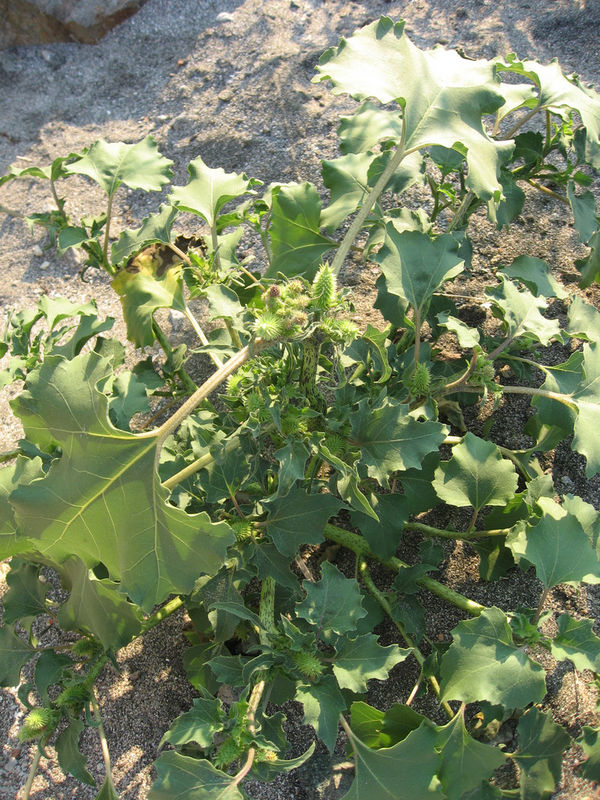
Xanthium strumarium Photo: Н.Сичак.
Species:
Agrostis stolonifera ,
Atriplex prostrata Photo: Є. Пахомов,
Bidens cernua ,
B. tripartitа ,
B. frondosa ,
Chenopodium glaucum Photo: В. Савельев,
Ch. rubrum Photo: А. Зайцева,
Leersia oryzoides Photo: В. Папченков*,
Plantago major ,
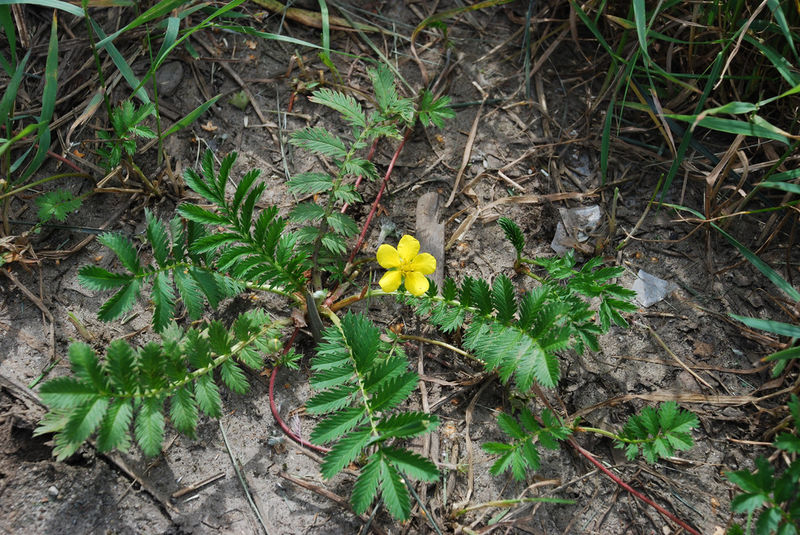
Potentilla anserina ,
Polygonum hydropiper ,
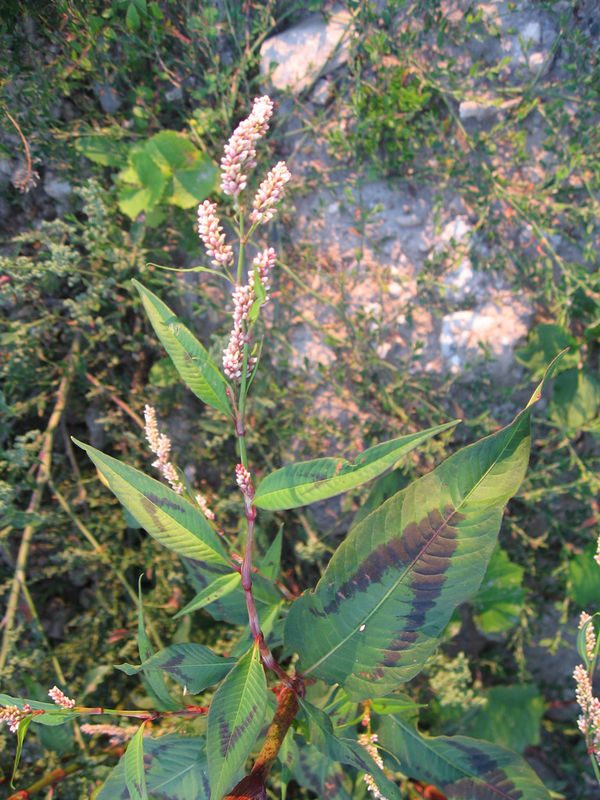
P. lapathifolium Photo: Н.Сичак,
P. minus Photo: Н. Дегтярёв,
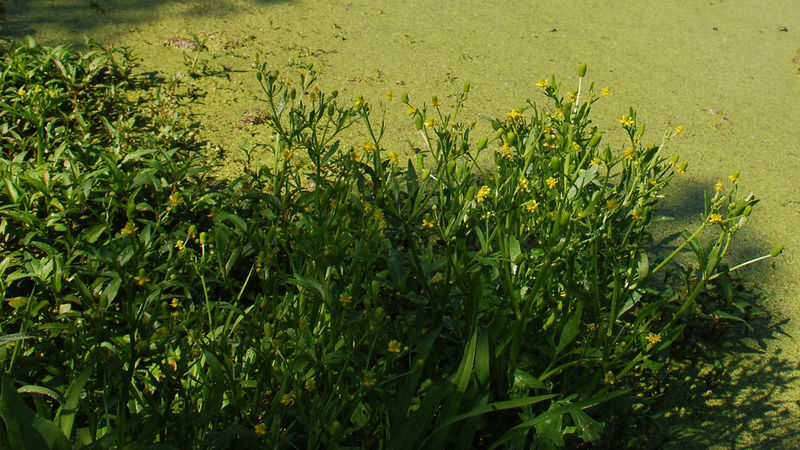
Ranunculus sceleratus ,
Rumex maritimus ,
Veronica anagallis-aquatica ,
Xanthium strumarium Photo: Н.Сичак.
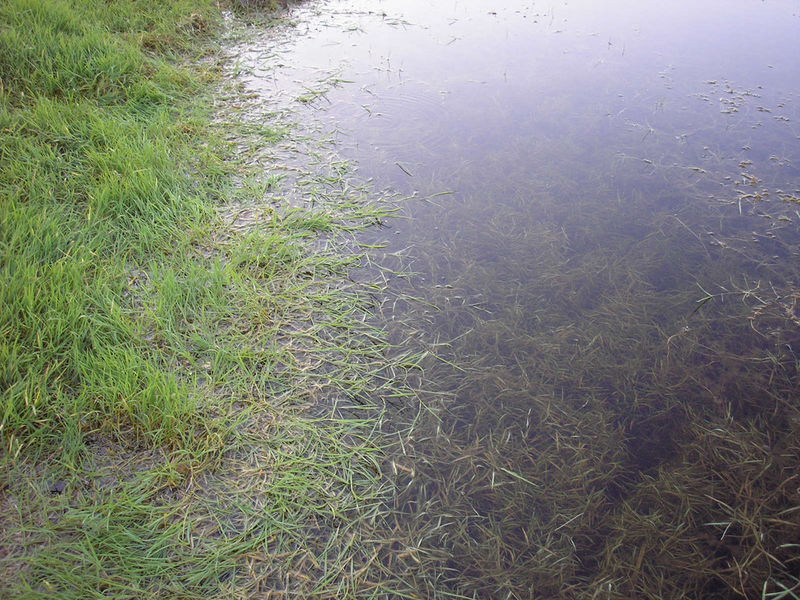
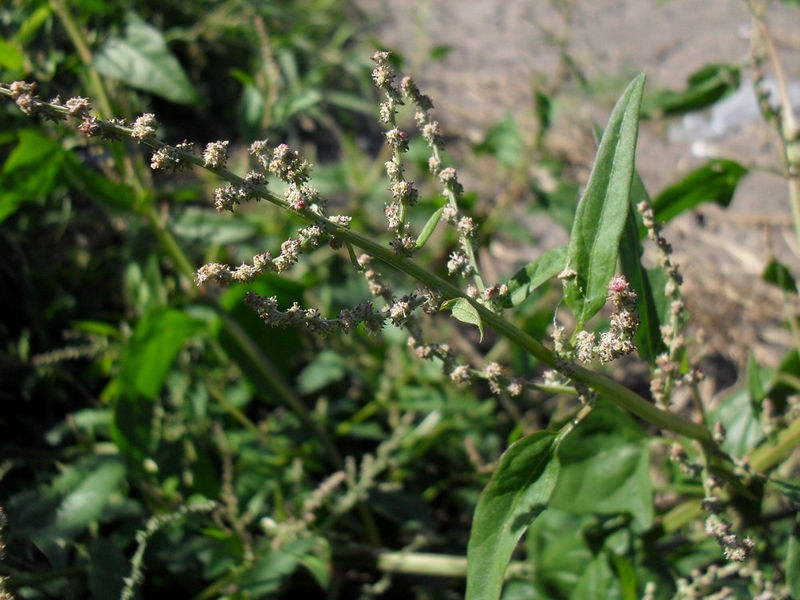
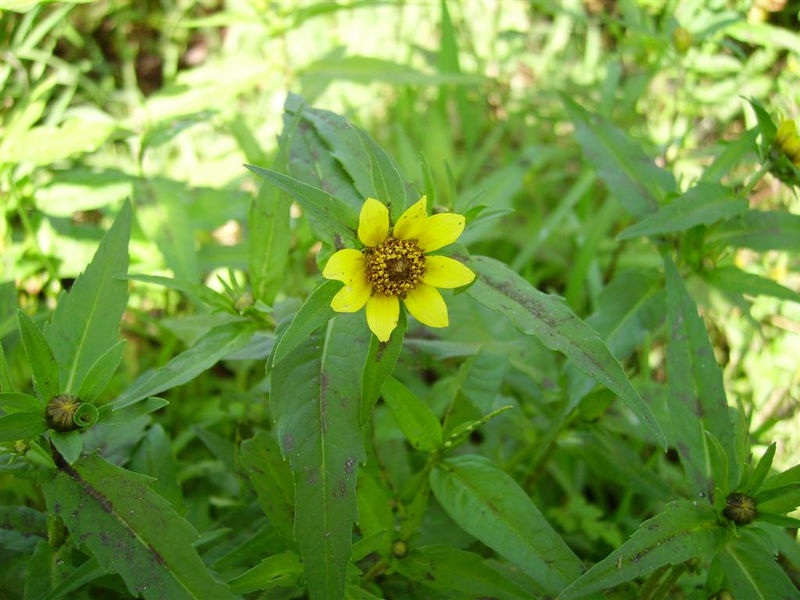
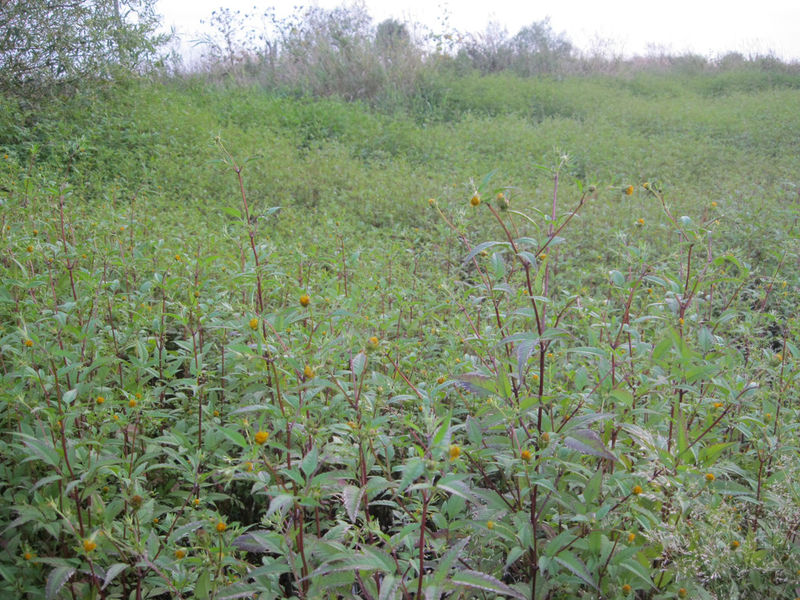
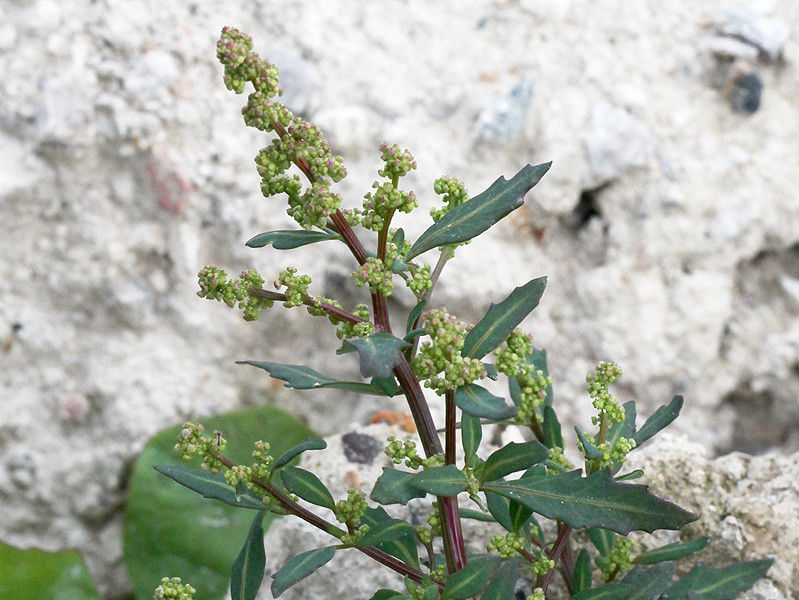
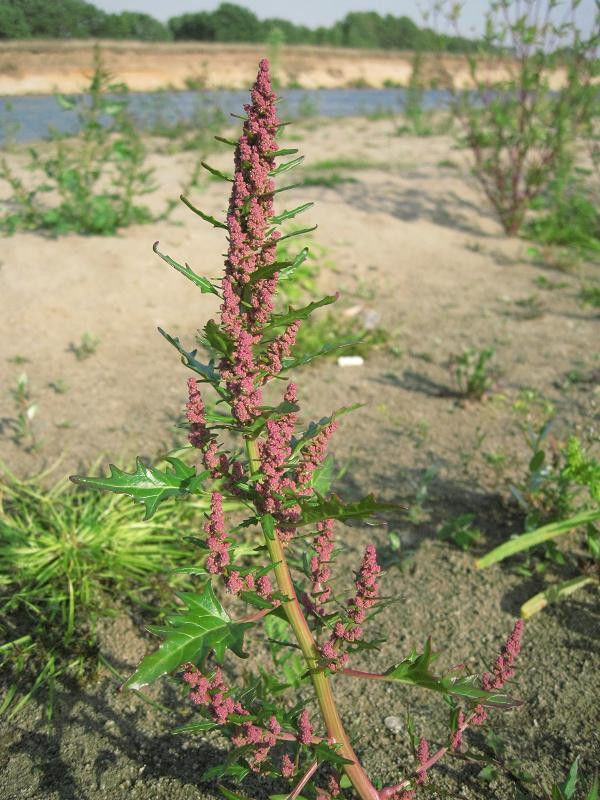
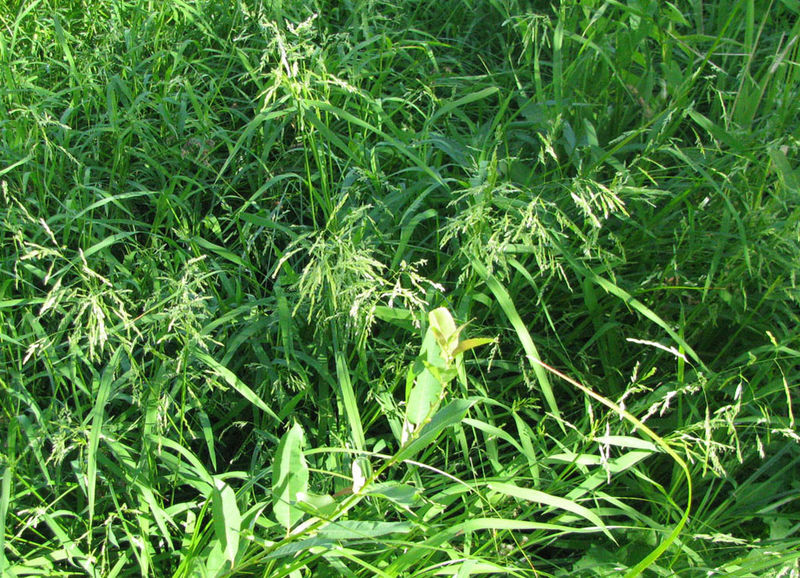
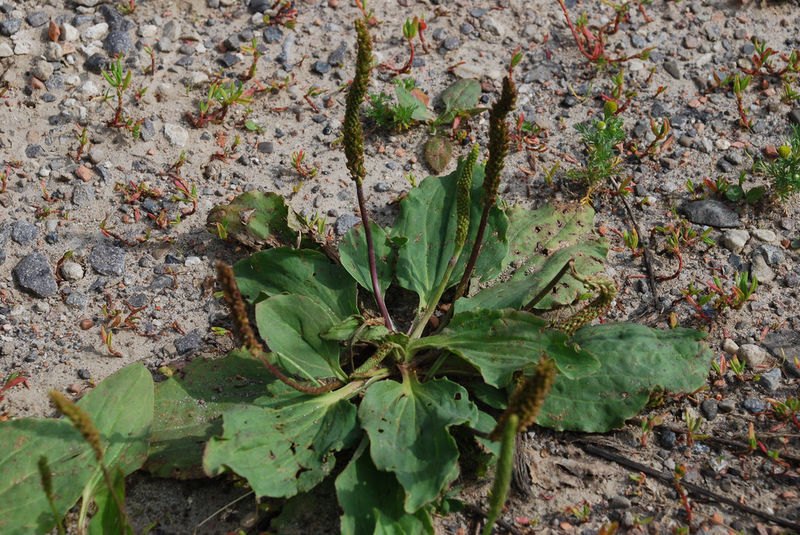
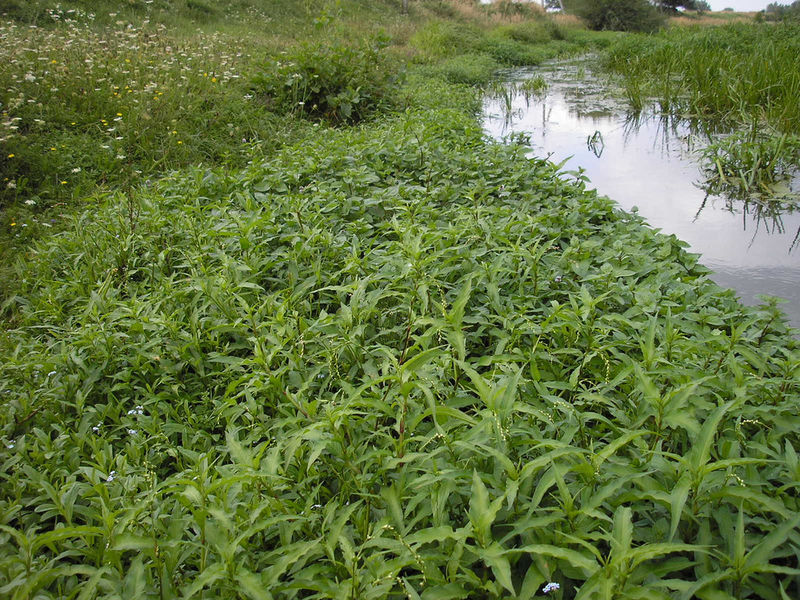

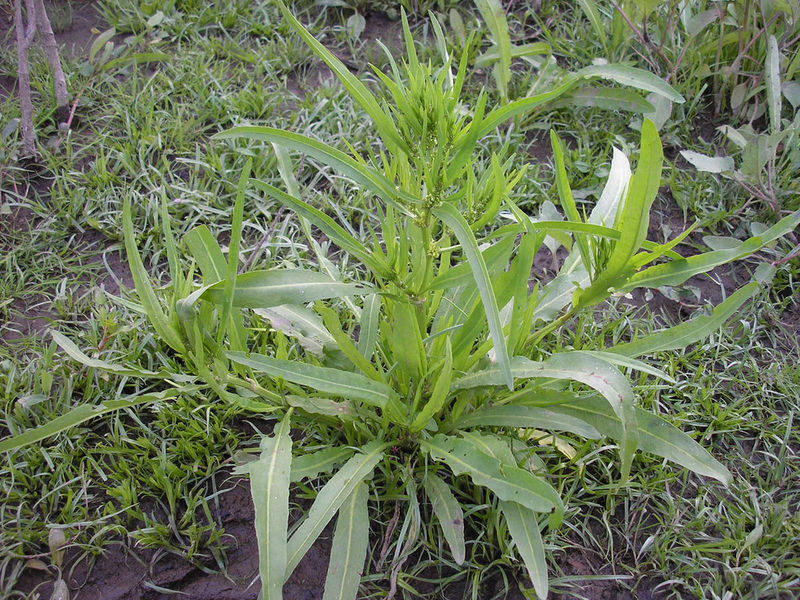
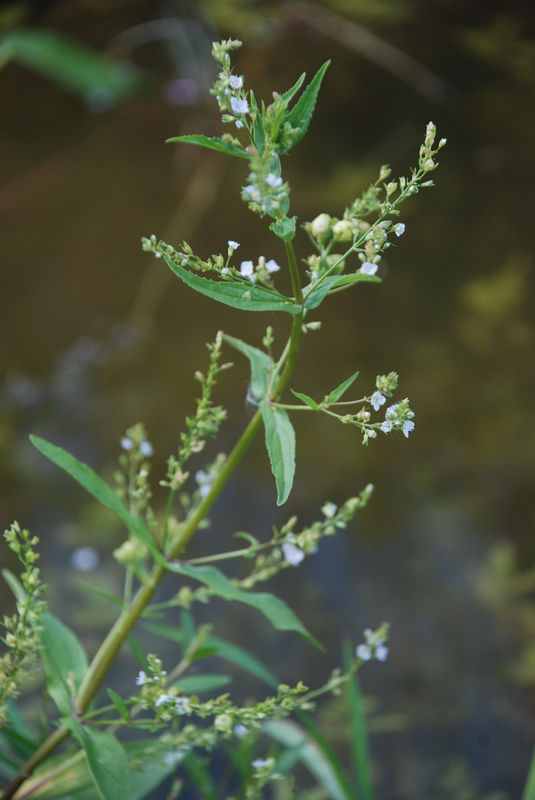
Structure. Habitats are formed in place of aquatic and riverside communities of Lemnetea, Potametea, Phragmito-Magnocaricetea class during the middle of summer. They are characterized by a relatively high constancy of floristic composition. They have a very heterogeneous one-, two-layered sward, 80 (150) cm high with projection cover of 40-100%. Up to 32 species of vascular plants are detected within some communities. Preferably one or two diagnostic species of association (
Bidens cernua ,
B. tripartitа ,
Polygonum hydropiper etc.) form the basis of the sward (the first layer). Some species of Plantaginetalia majoris and Trifolio fragiferae-Agrostietalia stoloniferae order and Molinio-Arrhenatheretea class (
Plantago major ,
Potentilla anserina ,
Agrostis stolonifera ) and others (
Veronica anagallis-aquatica ,
Lycopus europaeus ), having a low projection cover, frequently occur. Maximum development of plant communities is observed at the end of summer and in the beginning of autumn (August – September) during the flowering and fruiting of dominant species.
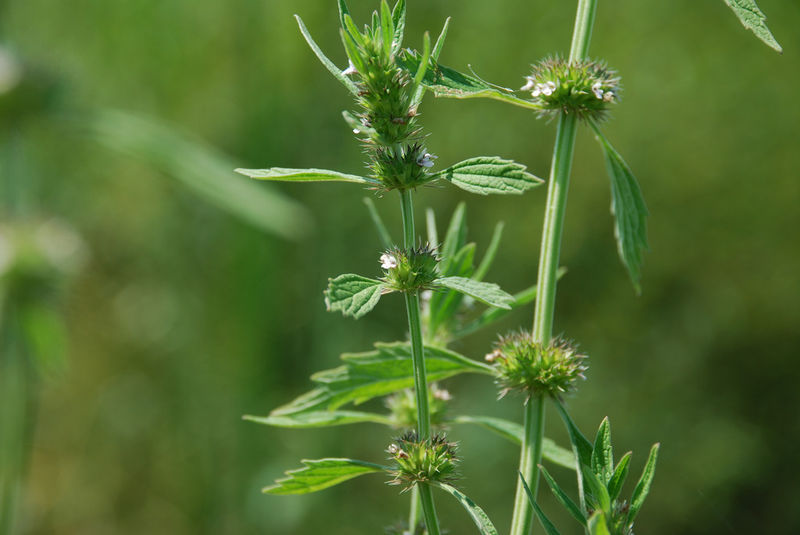
Ecological characteristic. Moderately nitrophilious communities of summer terophytes in affected areas with variable moisture regime are formed. They sporadically occur, occupying small areas of silted banks of eutrophic basins (rivers, meander lakes, ponds, channels, ditches etc.) with stagnant or slowly flowing water. They are often situated in the places of watering and pastures of the domestic animals.
Threats. Flooding, excessive drainage, adjustment of river flow, trampling within pastures and recreation areas.
Management. Maintenance of the optimal hydrological regime, limitation of the invasive species expansion.
References. Кузярін, 2005; Соломаха, Костильов, Шеляг-Сосонко, 1992; Соломаха, 1996; Jarolimek, Zaliberová, Mucina, Mochnacký, 1997; W. Matuszkiewicz, 2001; Moravec, Balátová-Tuláčková, Blažkova et al., 1995; Oberdorfer , 1994; Schubert, Hilbig, Klotz, 2001; Špániková, 1985; Stanova, Valachovič (eds.), 2002; Valachovič et al., 1995.
Authors: О. Kuziarin, L. Borsukevych