40A0
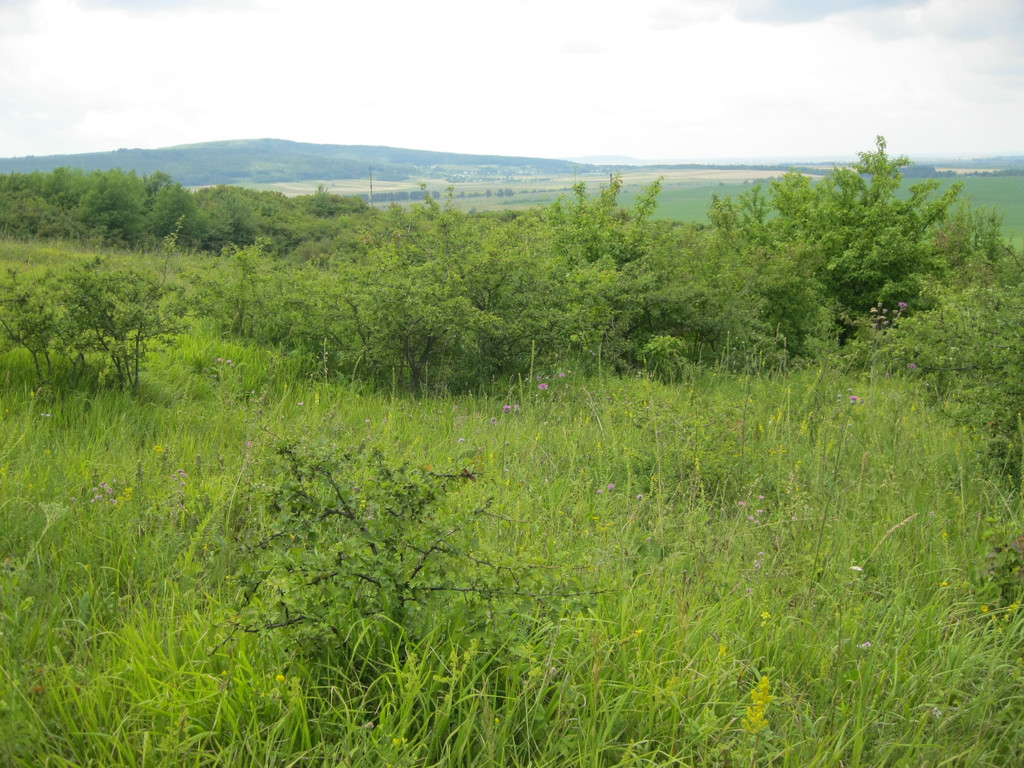
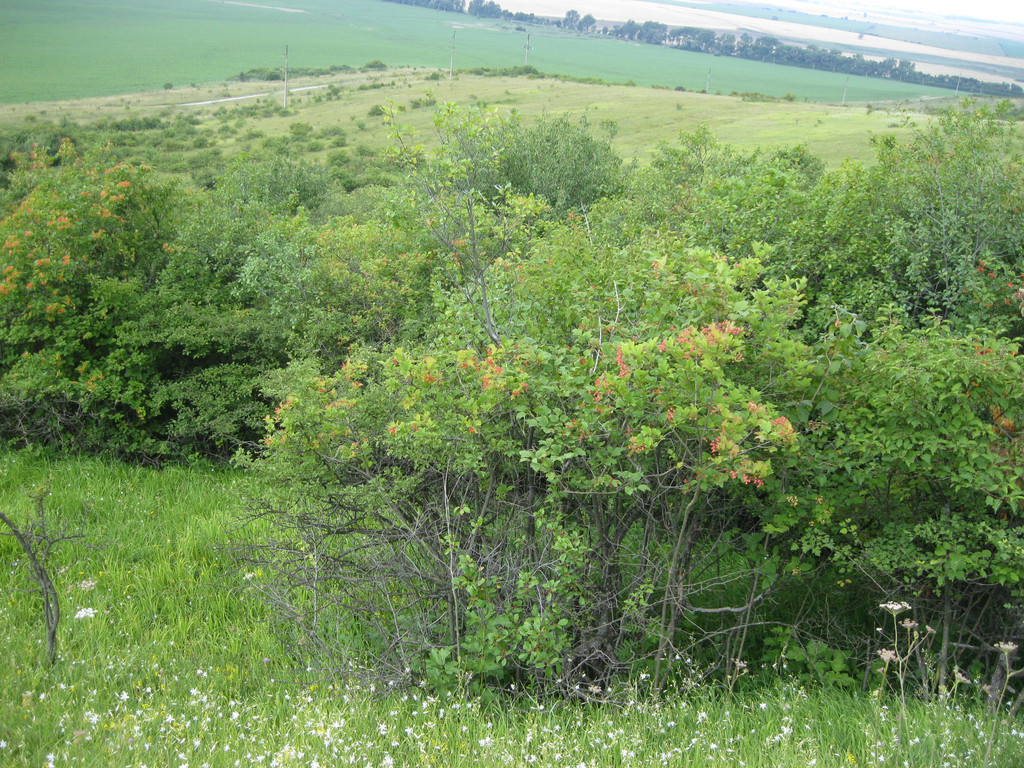
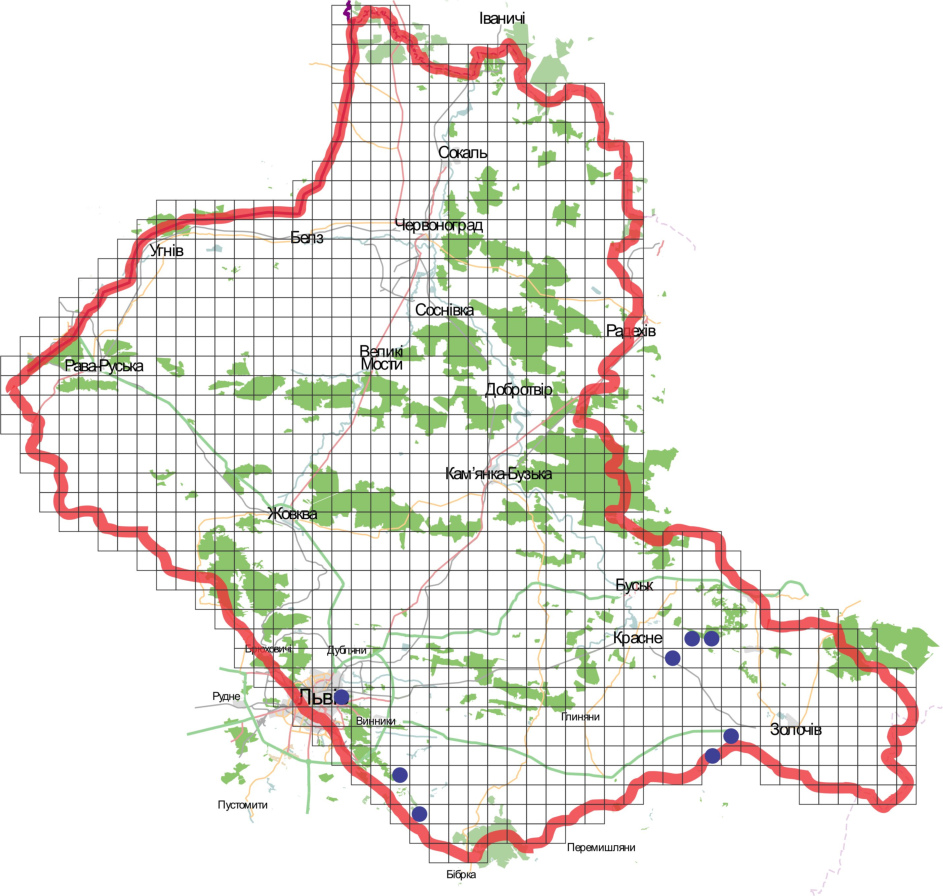
* Continental deciduous thickets
Syntaxonomy. Prunion spinosae Soo 1951: Euonymo – Prunetum spinosae (Hueck 1931) Tx. 1952 em. Pass. et Hoffim. 1968;
Species:
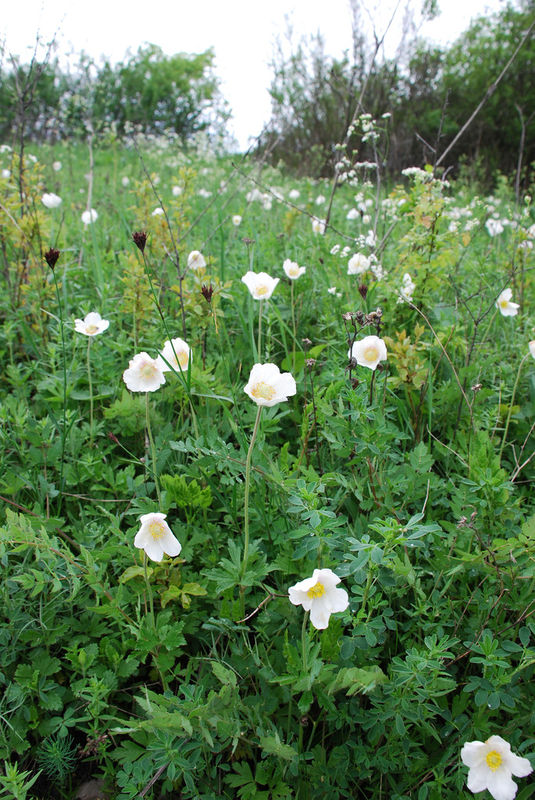
Anemone sylvestris ,
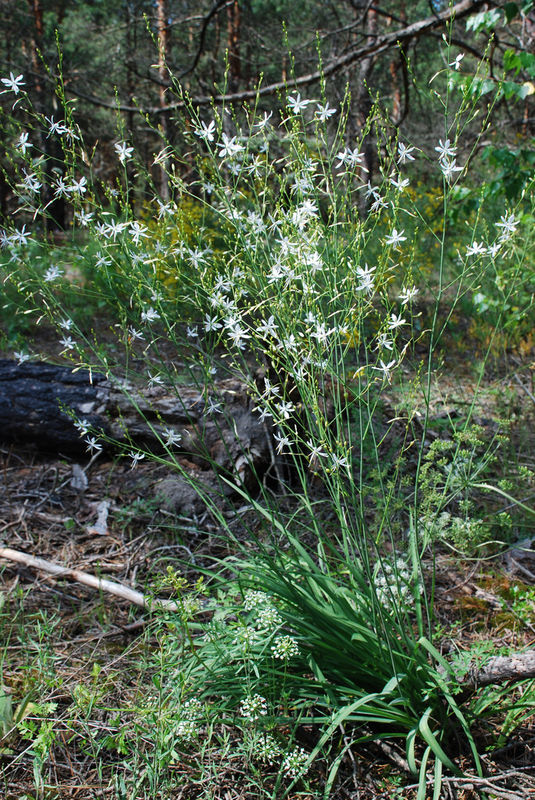
Anthericum ramosum ,
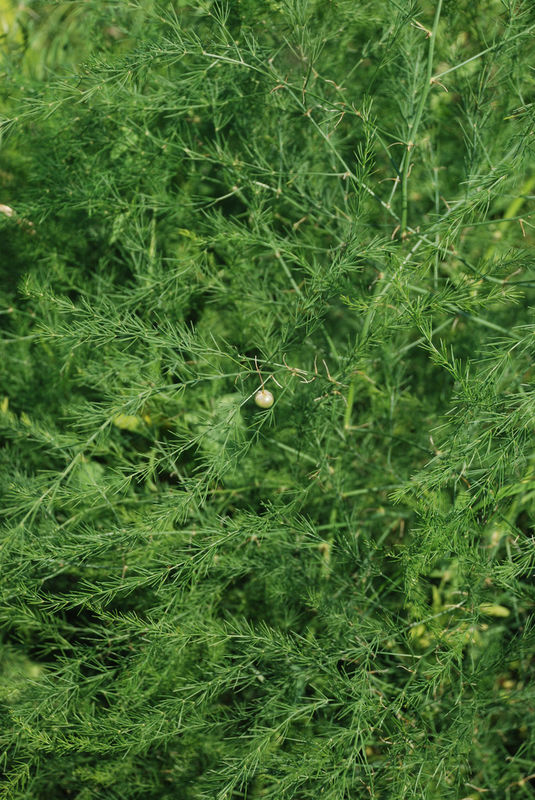
Asparagus officinalis ,
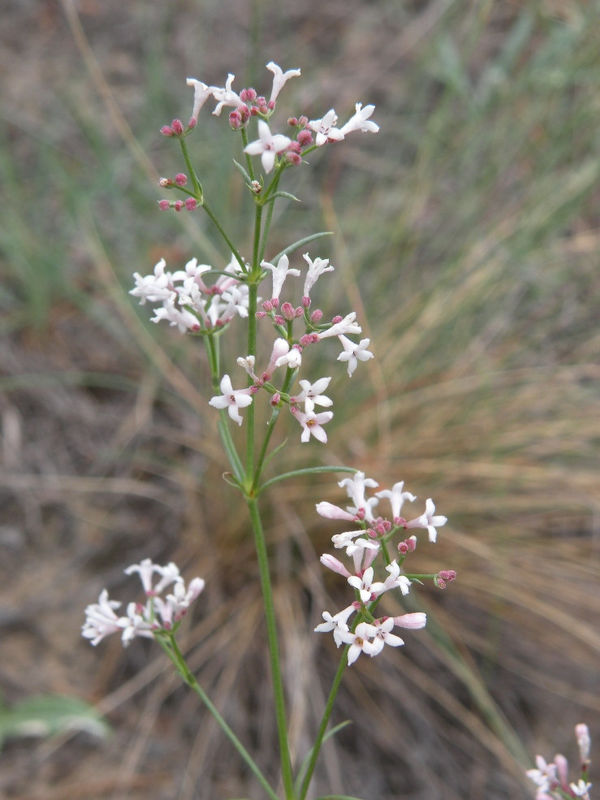
Asperula cynanchica Photo: Т. Горелова,
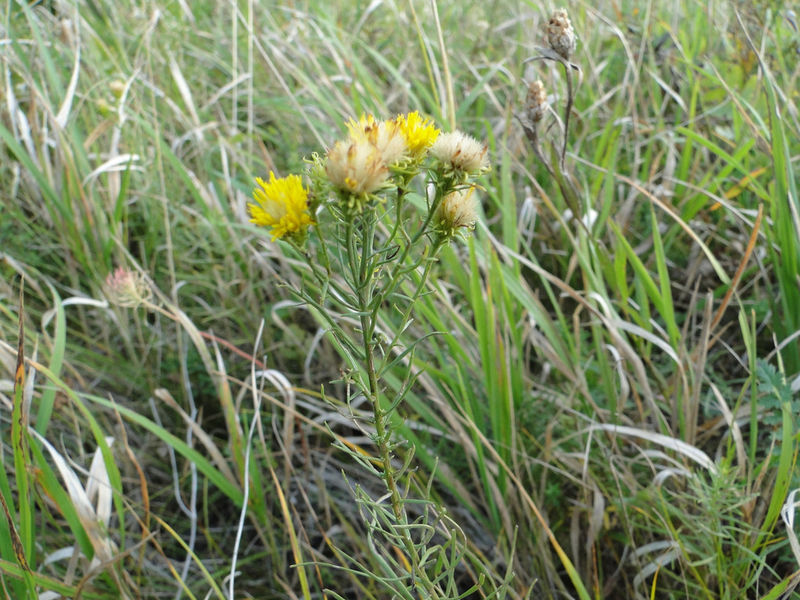
Aster linosyris Photo: Н.Сичак,
Carlina onopordifolia **,
Cerasus avium ,
Cerasus fruticosa Photo: Э. Измайлов*,
C. mahaleb Photo: А. Хохлов,
Pyrethrum corymbosum Photo: П. Евсеенков,
Coronilla varia ,
Crataegus monogyna ,
Euonymus europaea Photo: Н.Сичак,
E. verrucosa Photo: Н.Сичак,
Euphorbia cyparissias ,
Fragaria viridis Photo: Ю. Пирогов,
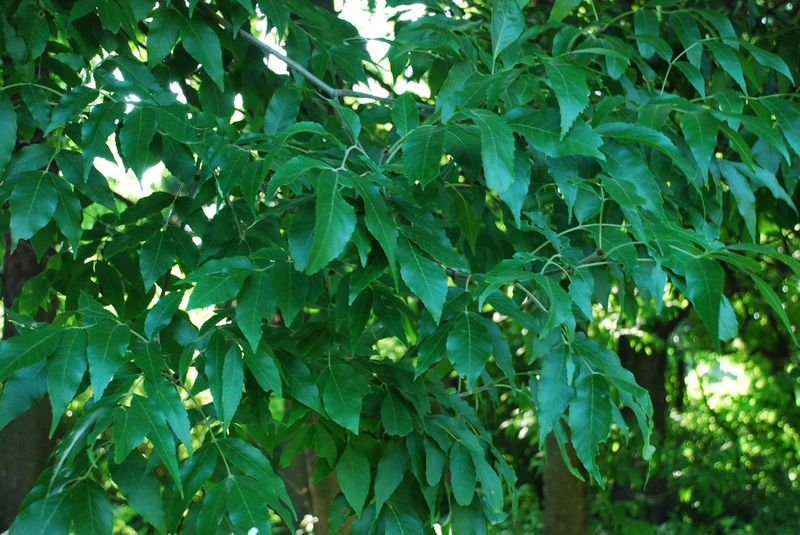
Fraxinus excelsior ,
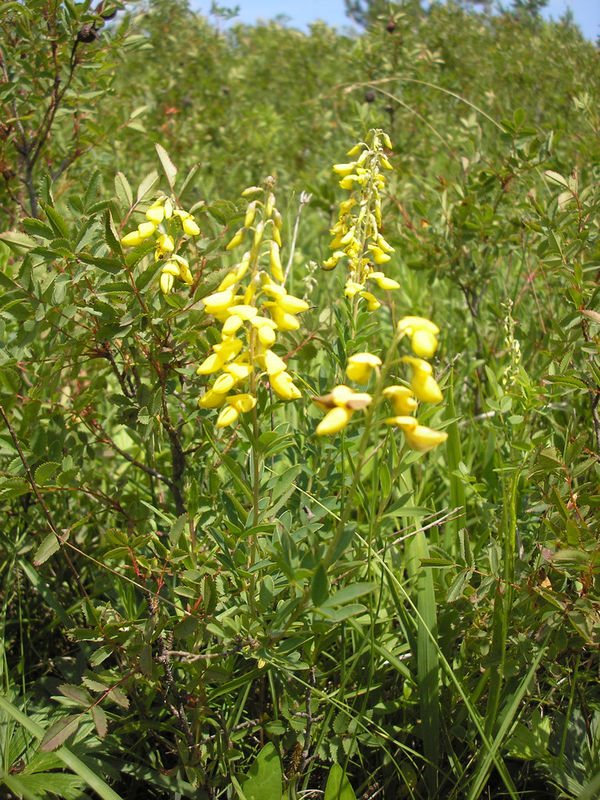
Genista tinctoria ,
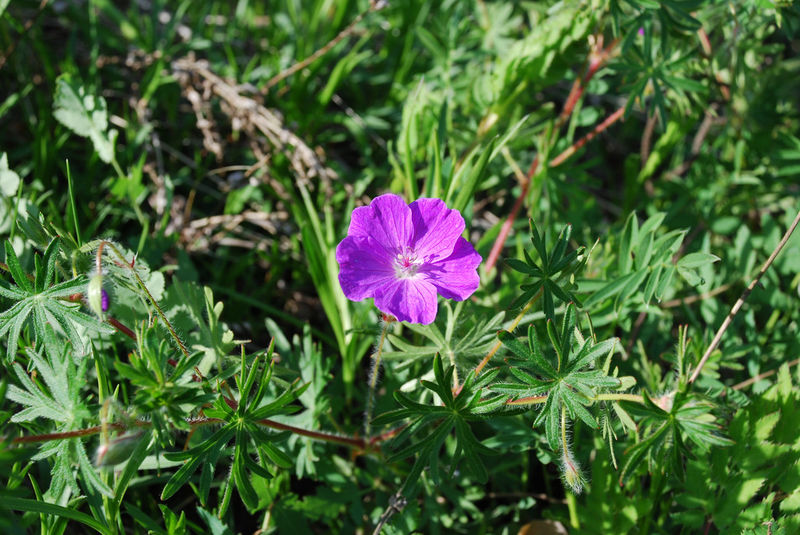
Geranium sanguineum ,
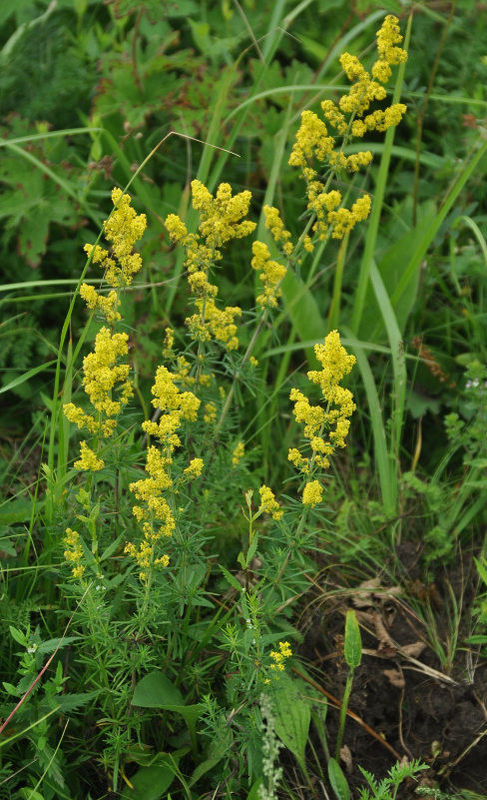
Galium verum Photo: М. Скотникова,
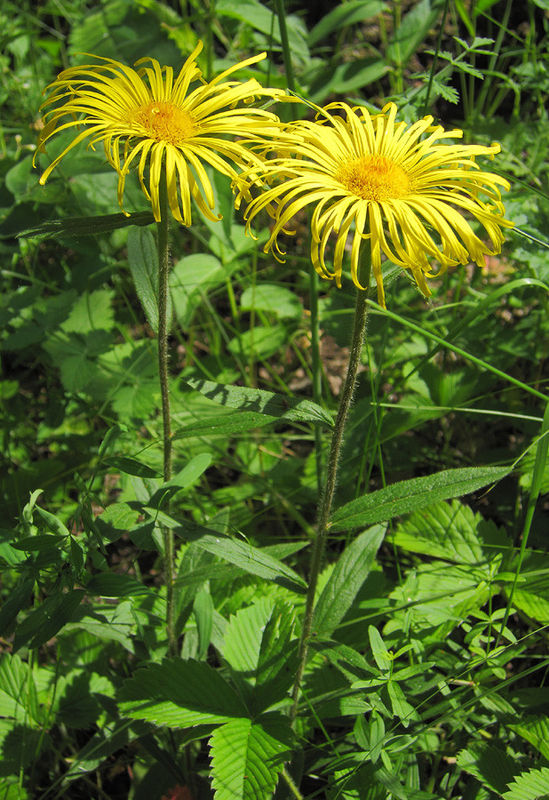
Inula ensifolia ,
I. hirta Photo: Э. Измайлова,
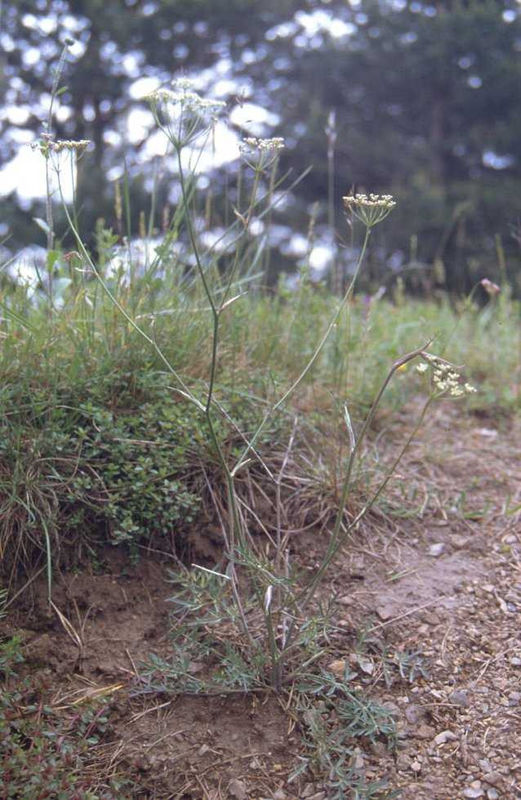
Peucedanum carvifolia Photo: http://www.floracyberia.net*,
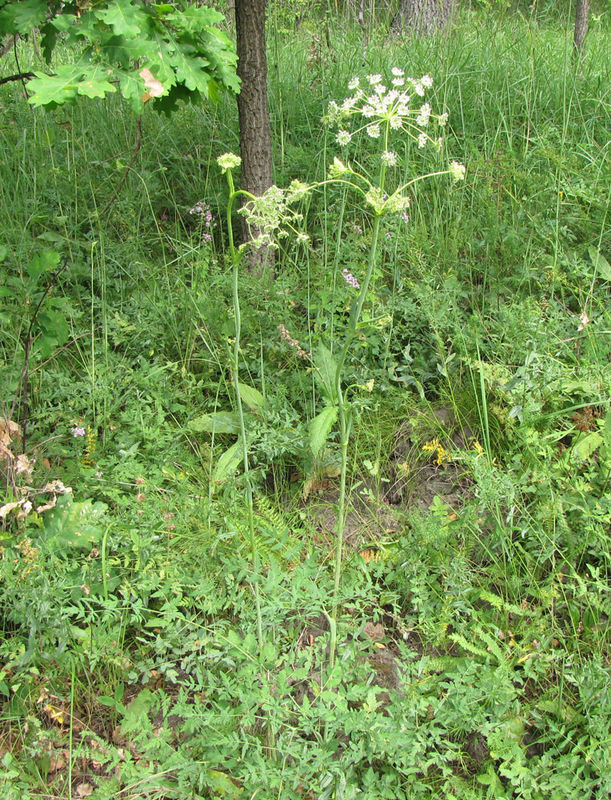
Peucedanum cervaria Photo: Н. Дегтярёв,
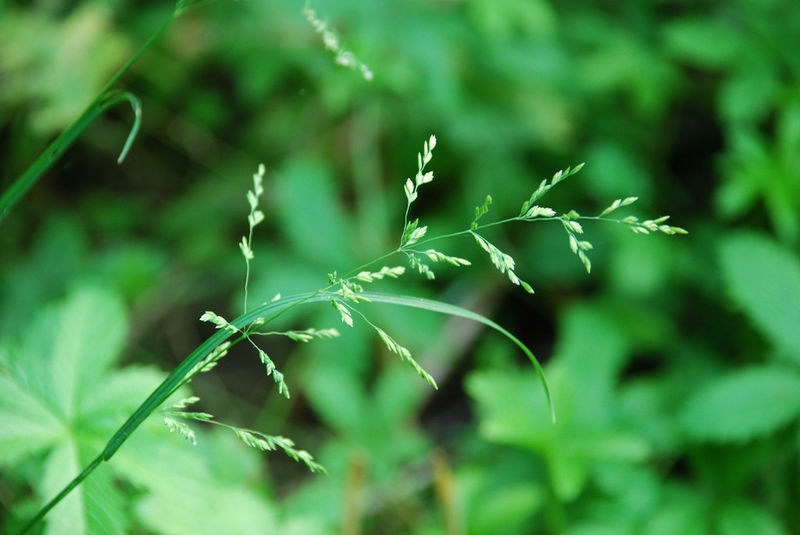
Poa pratensis ,
Polygonatum odoratum ,
Prunus spinosa ,
Rhamnus cathartica ,
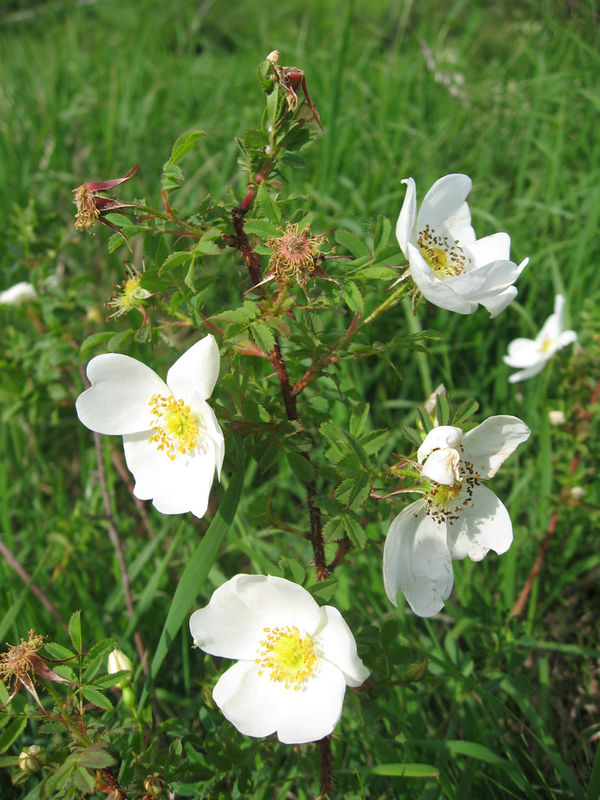
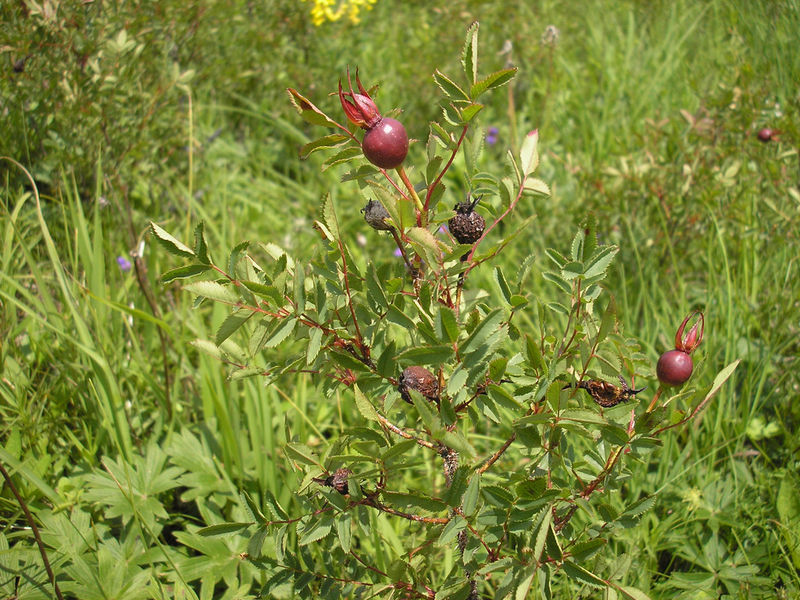
Rosa canina Photo: С. Одинец,
R. gallica Photo: Н.Сичак*,
R. spinosissima *,
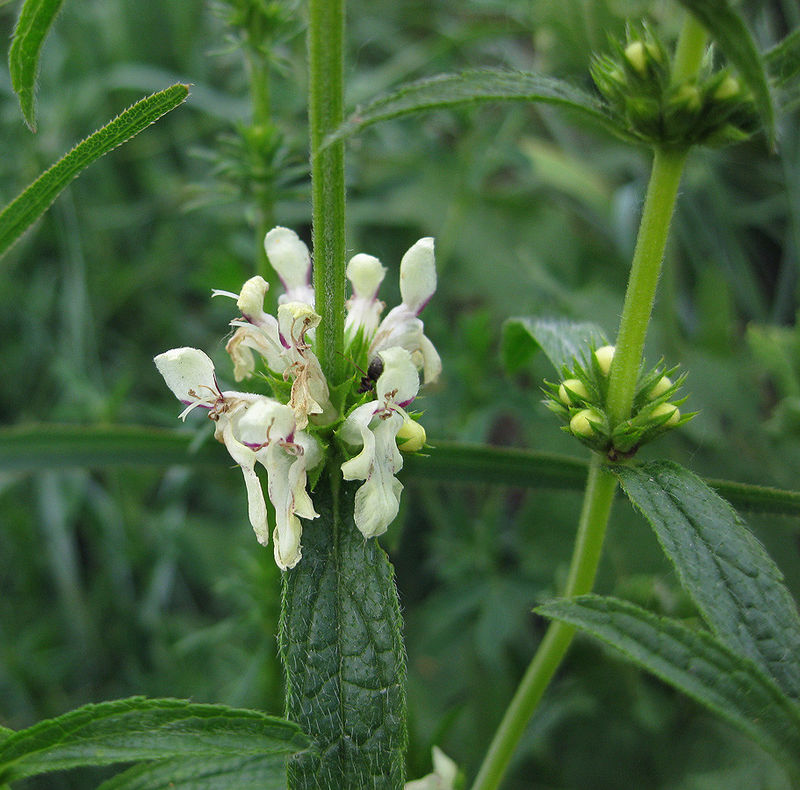
Stachys recta Photo: В. Гелюта,
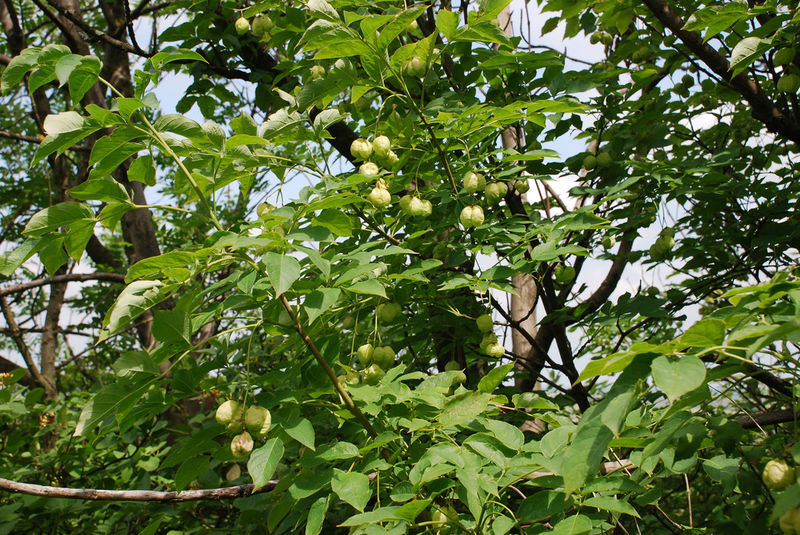
Staphylea pinnata **,
Swida sanguinea ,
Teucrium chamaedrys ,
Thalictrum minus ,
Veronica chamaedrys ,
Viburnum lantana ,
V. opulus ,
Vincetoxicum hirundinaria .

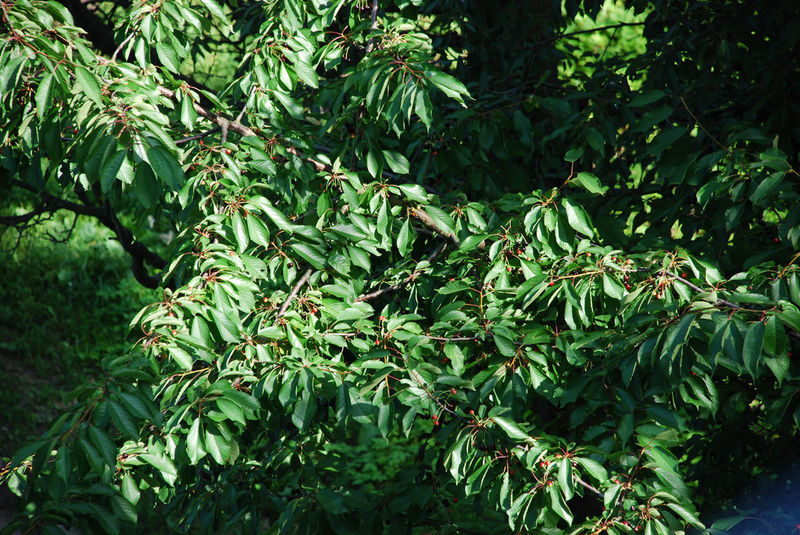

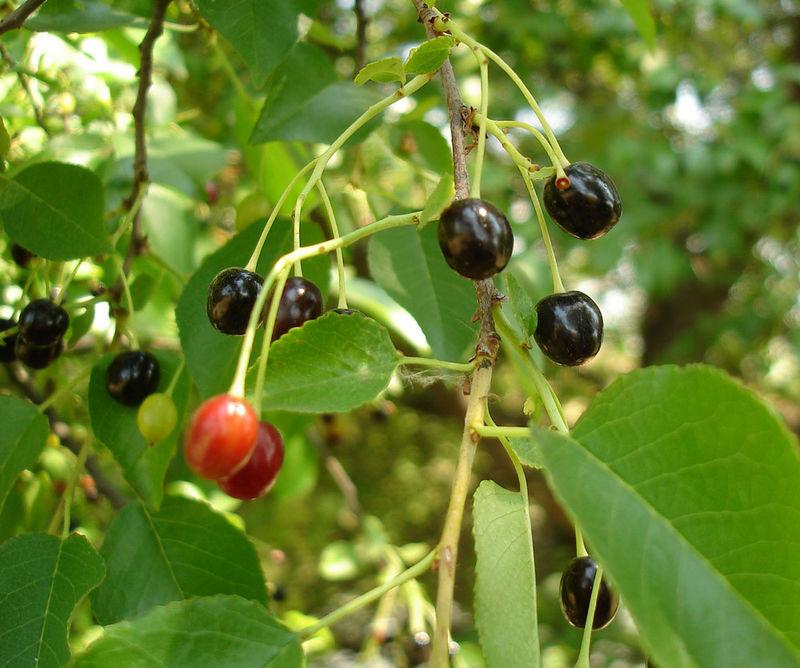
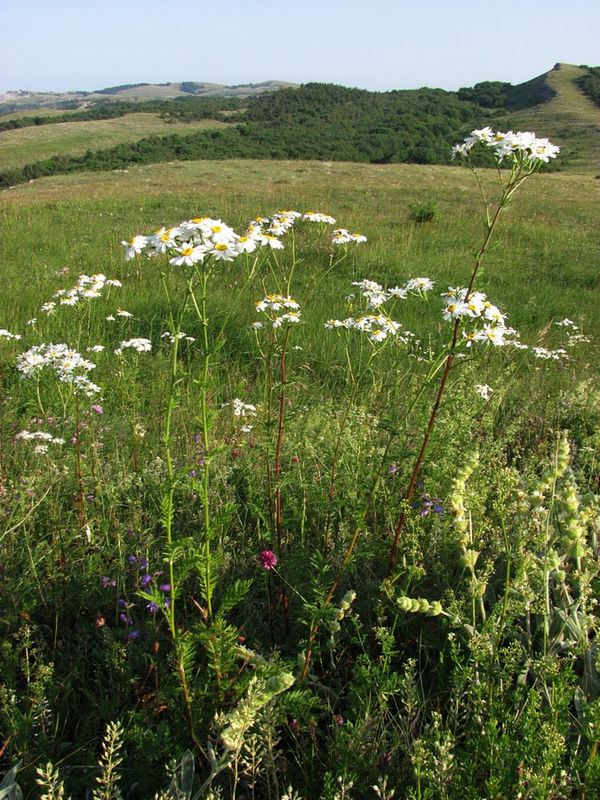
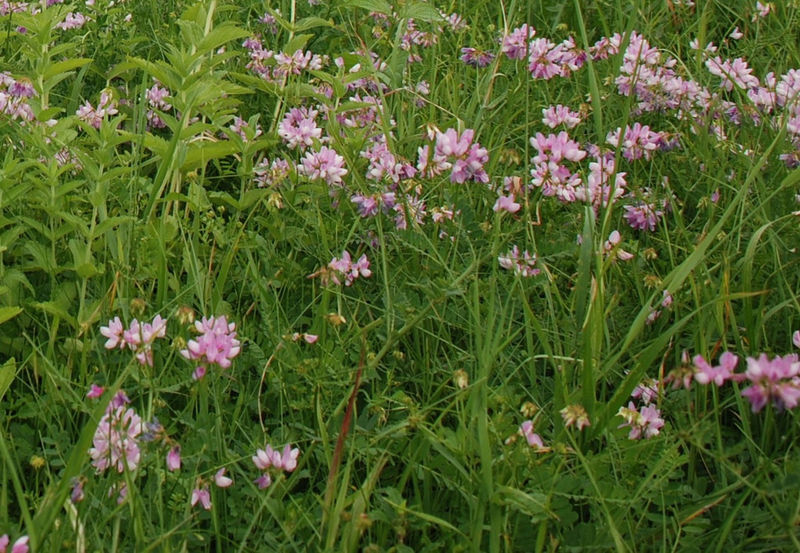
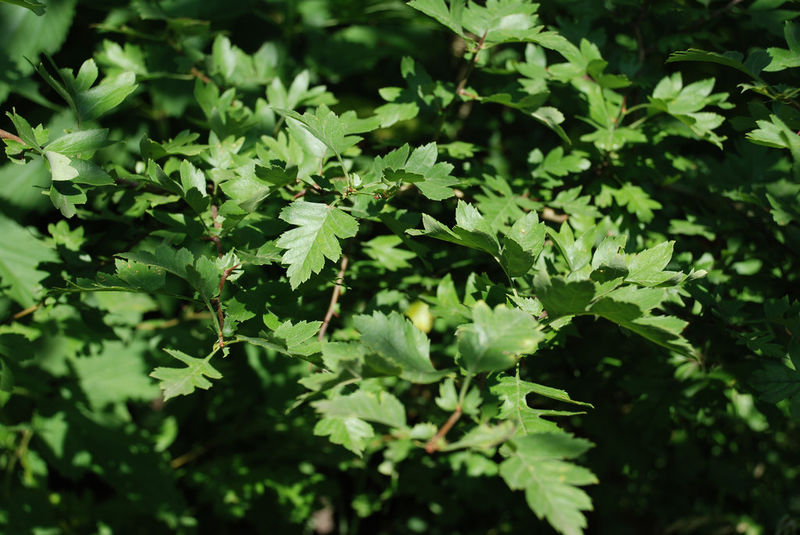
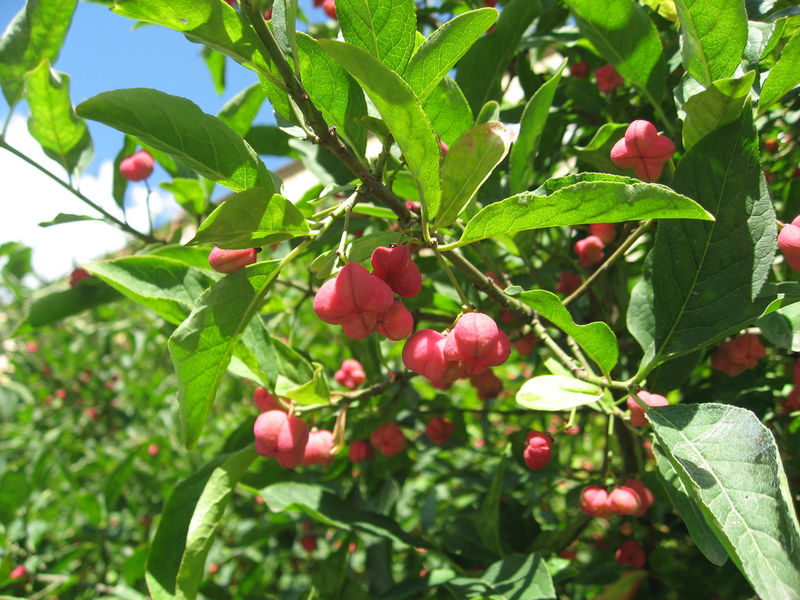
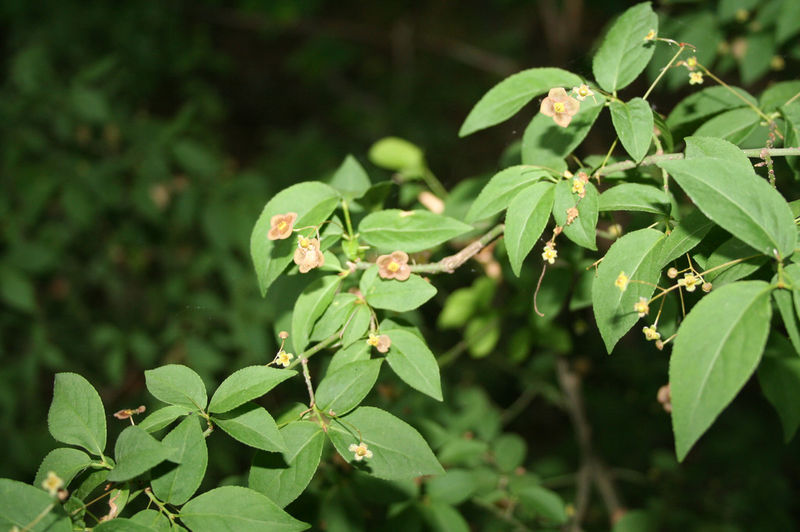
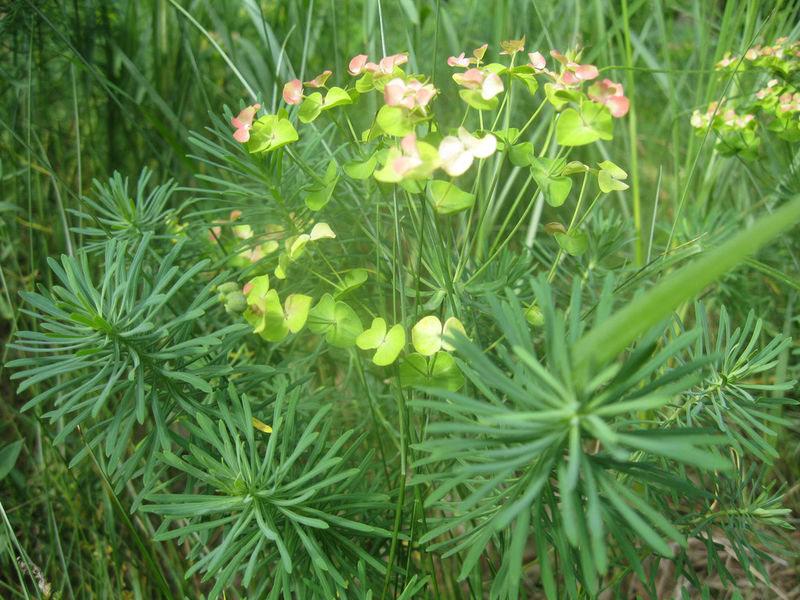


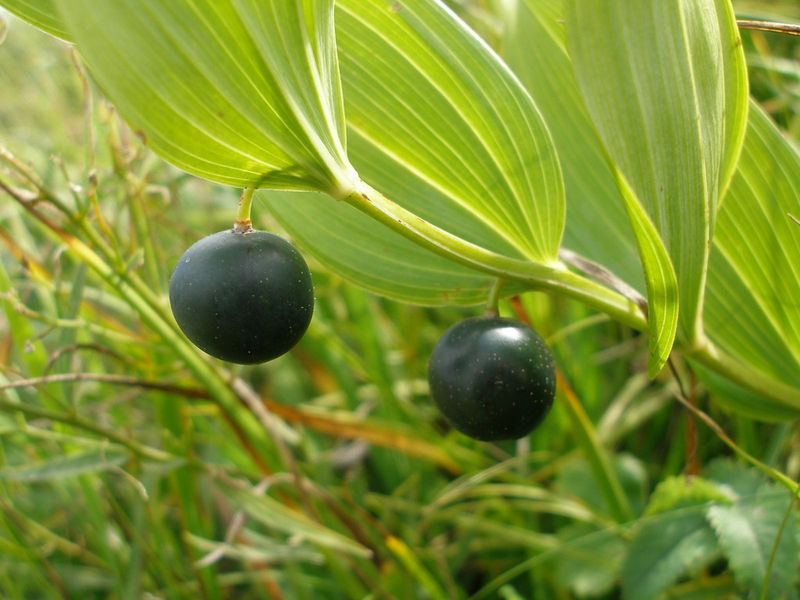
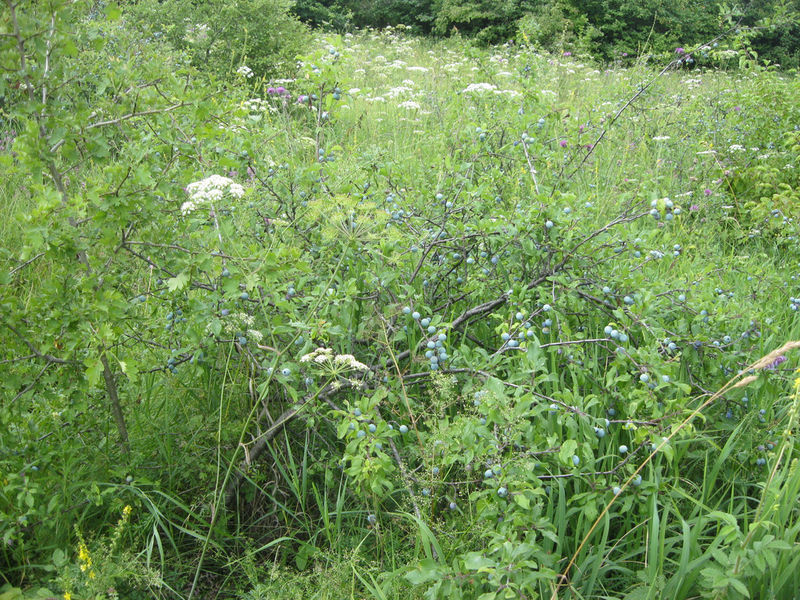
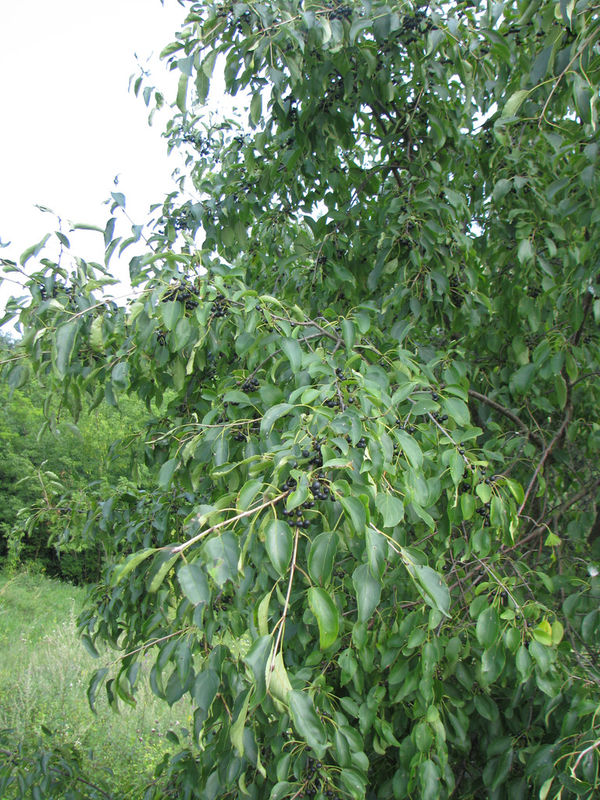
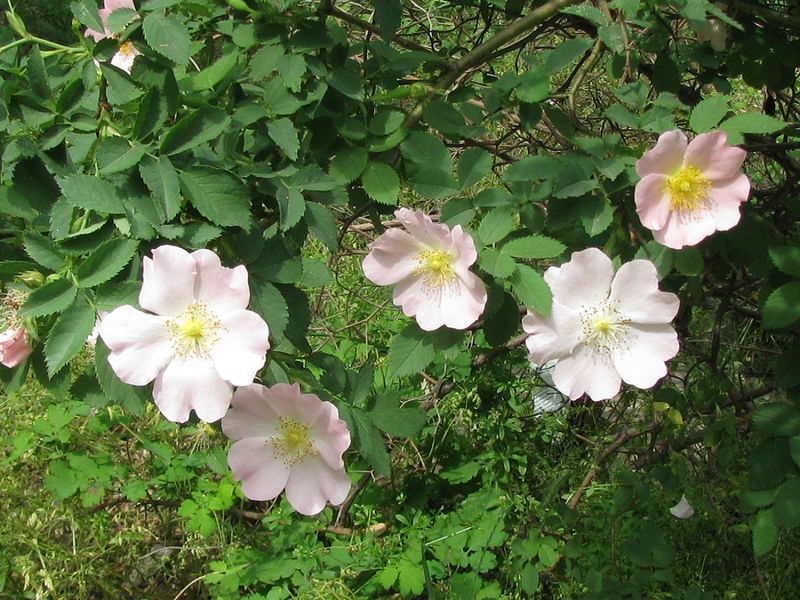
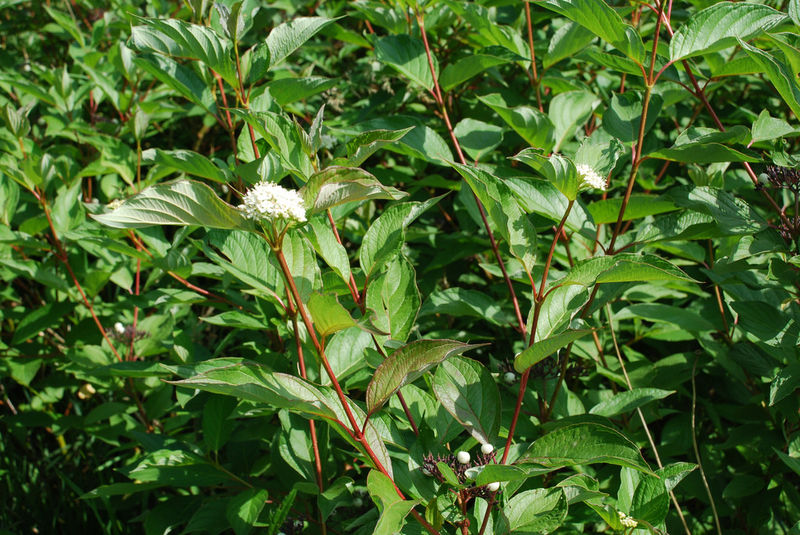
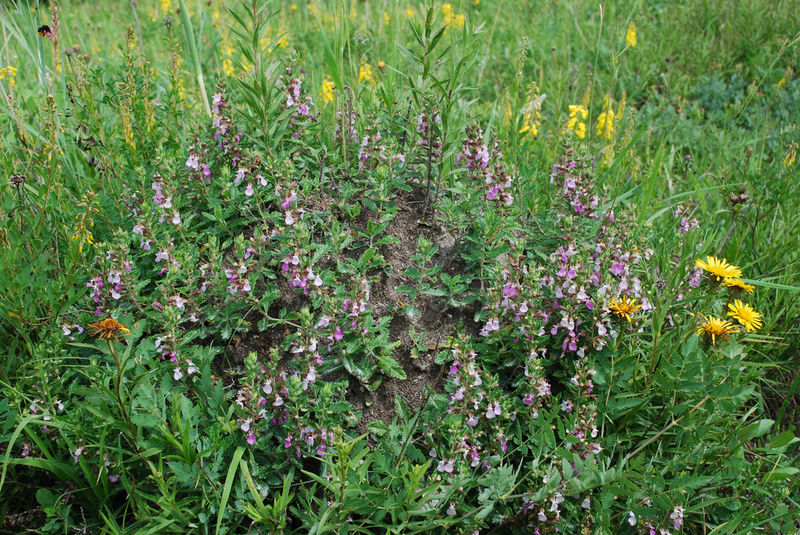
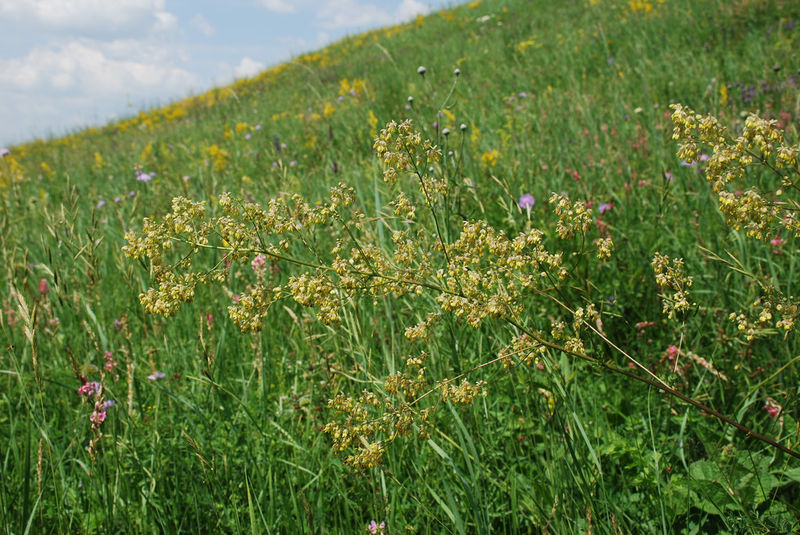
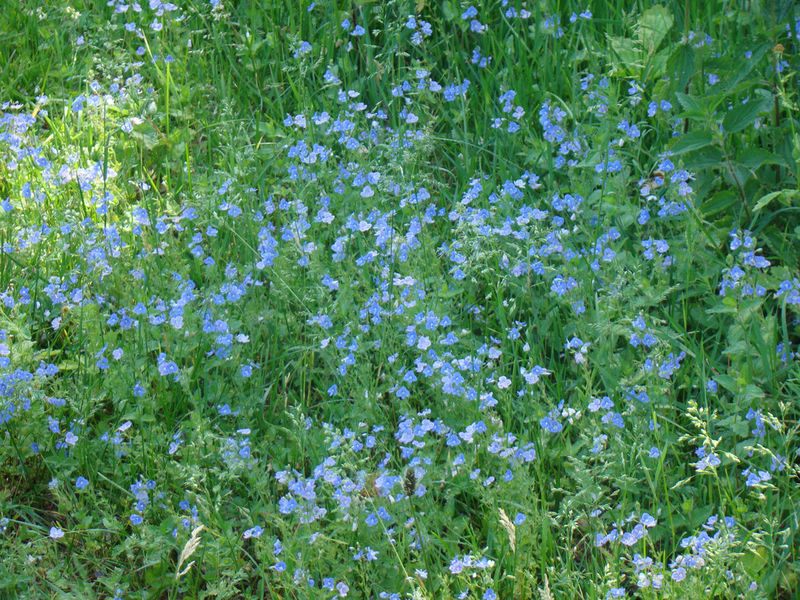
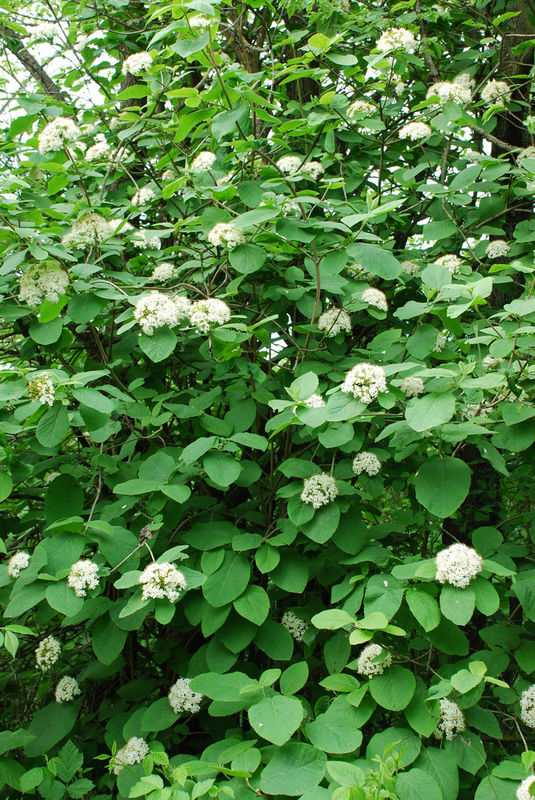
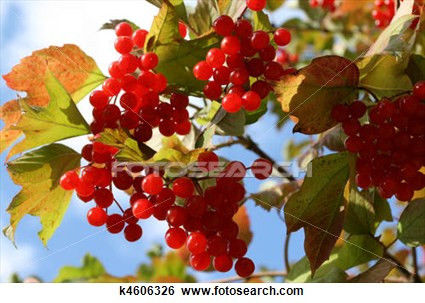

Structure. Habitat is formed by low-growing dense deciduous shrubs with a considerable participation of xerothermophilic species, especially in the herb layer. Communities are characterized by the rich floristic composition. It is specified by the absence of thick shading by the canopy (small leaved shrubs prevail here) and penetration of the species from adjacent xerothermophilic herb and tree communities, which usually form mosaic complexes with the habitat. The sward height is about 30-60 cm with a total cover of 80-100% and is characterized by the three-layered structure. Shrub layer is 2 m high. Species of the edge of forest (
Anthericum ramosum ,
Fragaria viridis Photo: Ю. Пирогов,
Geranium sanguineum ,
Teucrium chamaedrys ,
Veronica chamaedrys ,
Vincetoxicum hirundinaria тощо) form the base of the sward.
Ecological characteristic. The habitat is usually represented by the small insular areas among the steppe vegetation. These are xerothermophilic and meso- xerothermophilic secondary (semi-natural) shrub communities. They are sporadically distributed on the well-drained dry loessial slopes of the west or south aspects with thin carbonate soils (rendzyny) and high humus content.
Threats. Reclamation of areas for agricultural crops, eutrophication, uncontrolled burning out, expansion of the invasive species (
Robinia pseudoacacia L.) and overgrowing.
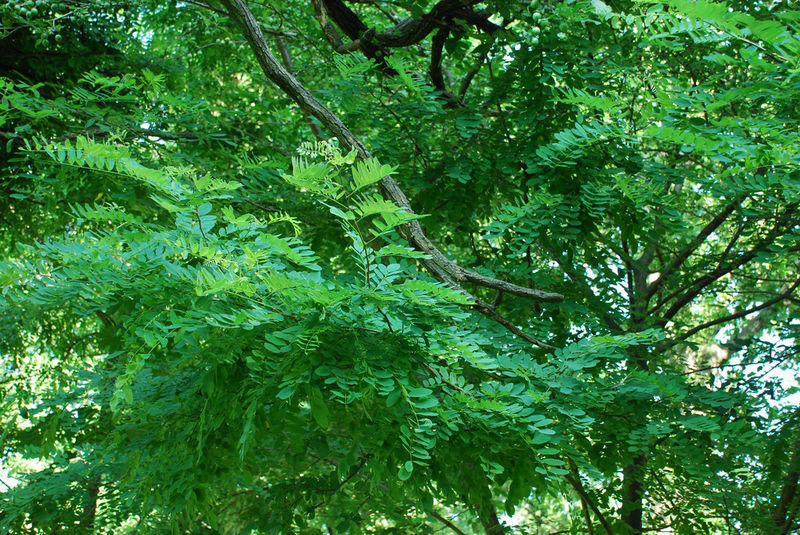
Management. Maintenance of the traditional management methods, thinning.
References. Дідух, Фіцайло, Коротченко та ін., 2011; Кіш, Андрик, Мірутенко, 2006; Chytrý, 2010; Chytrý, Kučera, Koči (eds.), 2001; Stanova, Valachovič (eds.), 2002; Viceníková, Polák, 2003.
Authors: L. Borsukevych, О. Kuziarin.