6410
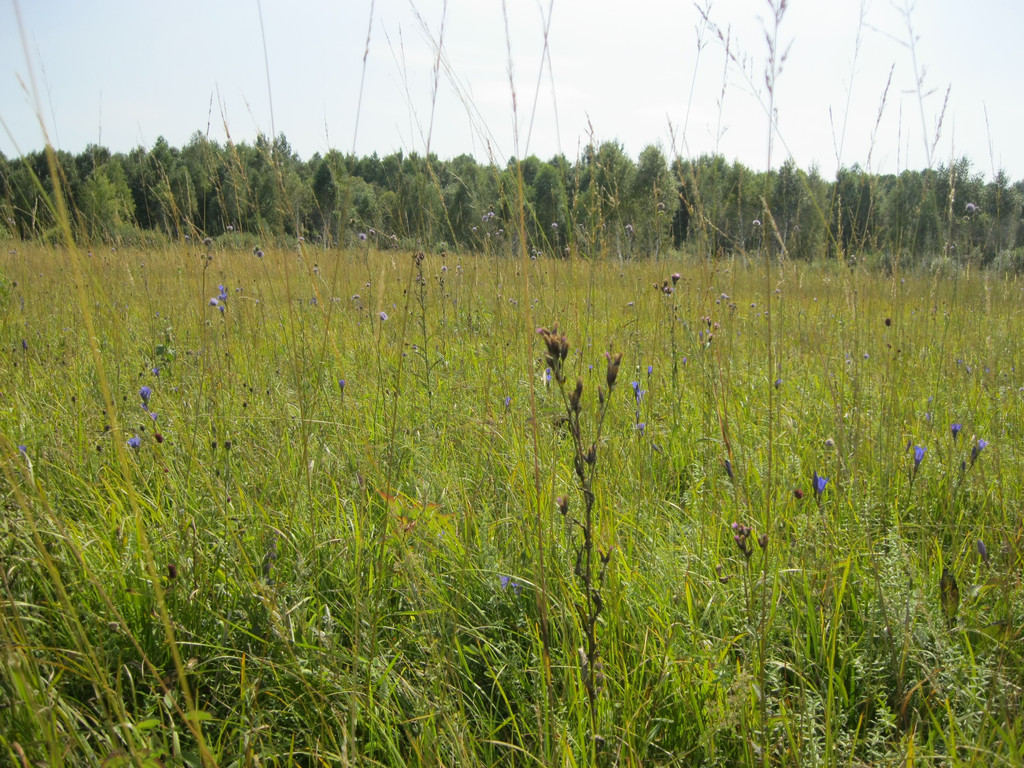
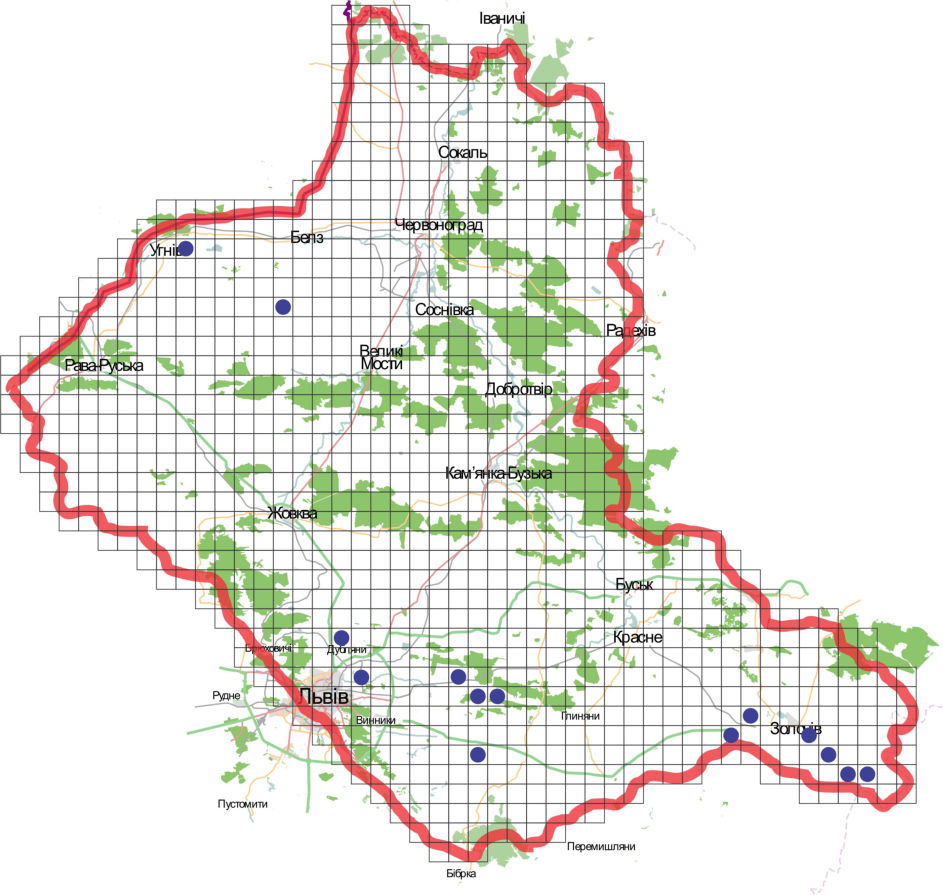
Molinia meadows on calcareous, peaty or clayey-silt-laden soils (Molinion caeruleae)
Syntaxonomy. Molinion caeruleae W. Koch 1926: Molinietum caeruleae W. Koch 1926, Parnassio palustris-Molinietum caeruleae (Libb. 1928) Pass. 1964, Junco-Molinietum caeruleae Prsg. 1951.
Species:
Betonica officinalis ,
Calamagrostis varia *,
Carex davalliana **,
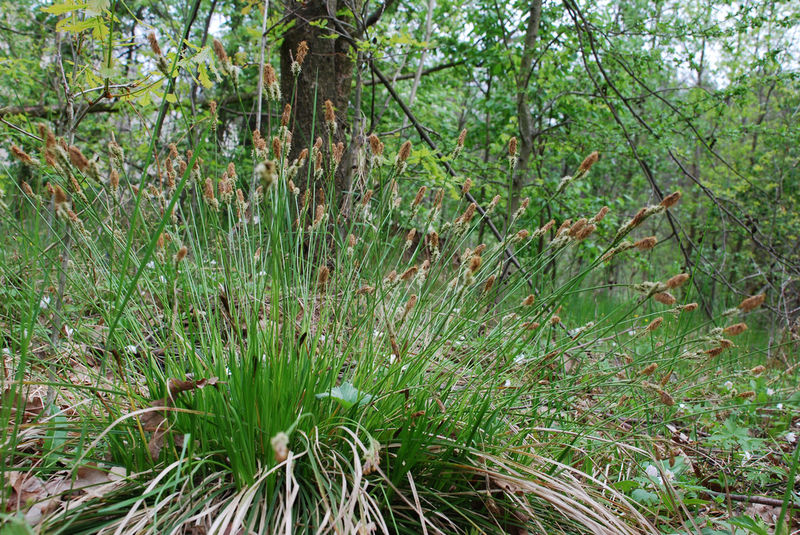
C. flacca ,
C. flava ,
C. panicea ,
C. tomentosa ,
C. umbrosa **,
Dactylorhiza incarnata **,
D. majalis **,
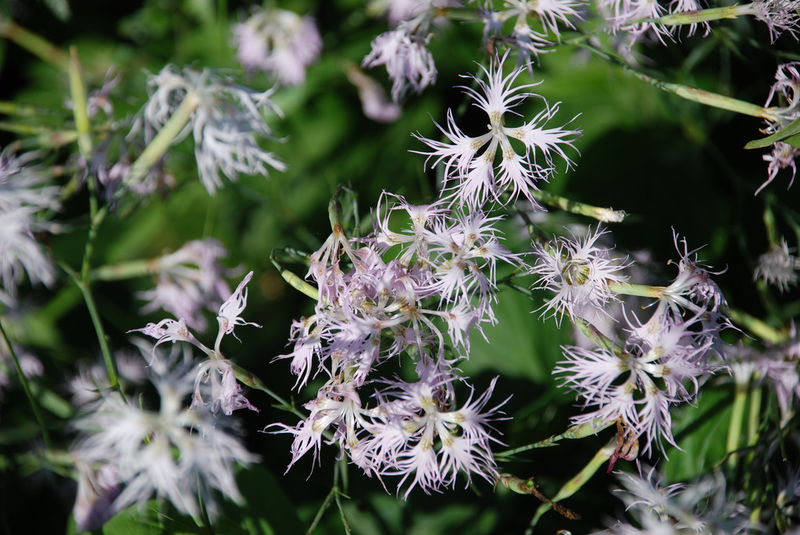
Dianthus superbus ,
Epipactis palustris **,
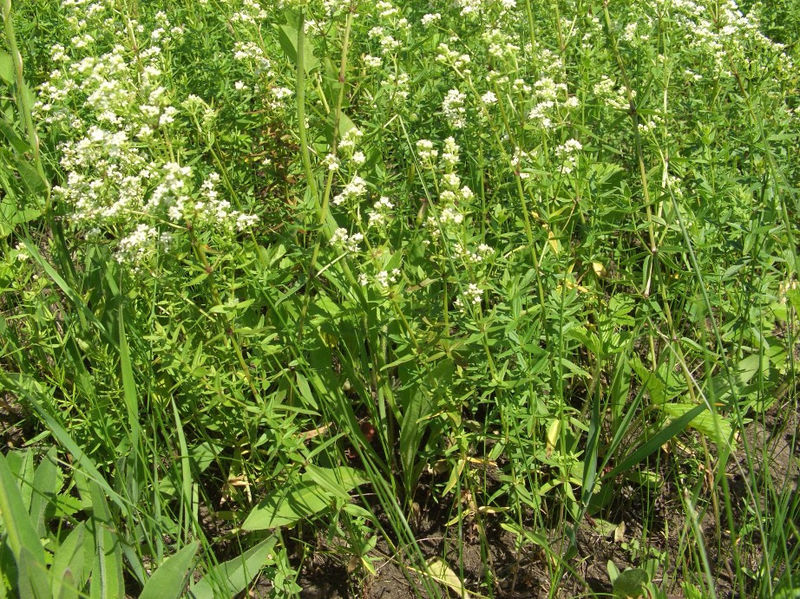
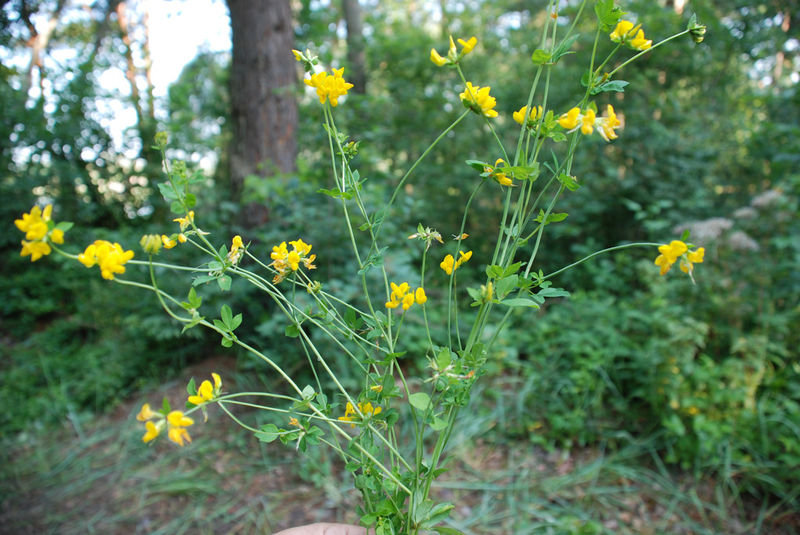
Galium boreale Photo: С. Соколенко,
Gentiana pneumonanthe ,
Gladiolus imbricatus **,
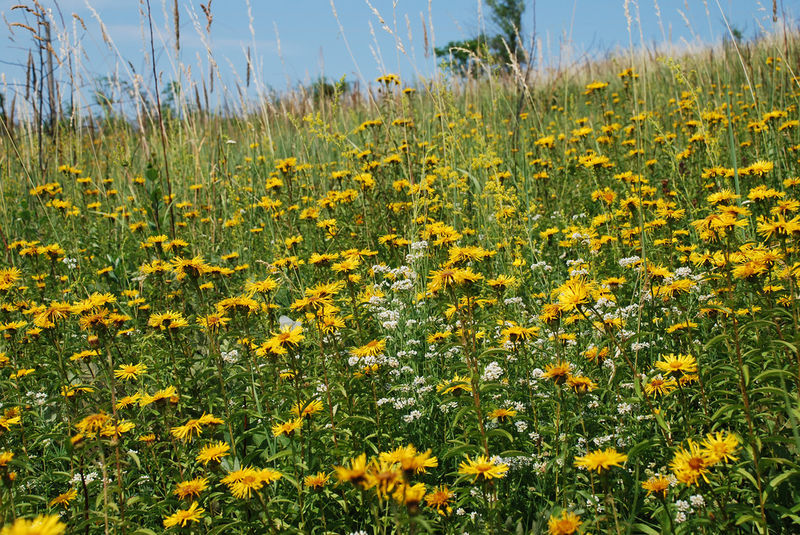
Inula salicina ,
Iris sibirica **,
Juncus articulatus ,
Lotus uliginosus ,
Molinia caerulea ,
Ophioglossum vulgatum Photo: П. Евсеенков*,
Orchis militaris **,
Phyteuma orbiculare Photo: Н.Сичак*,
Pinguicula vulgaris **,
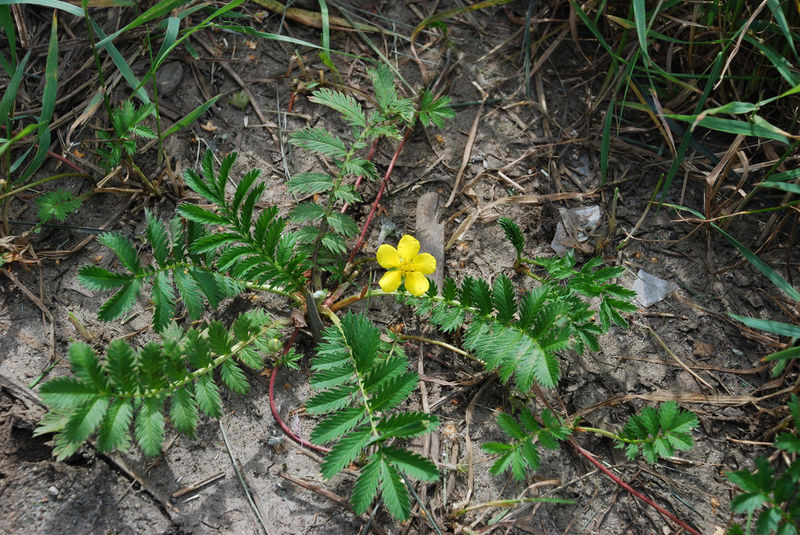
Potentilla erecta ,
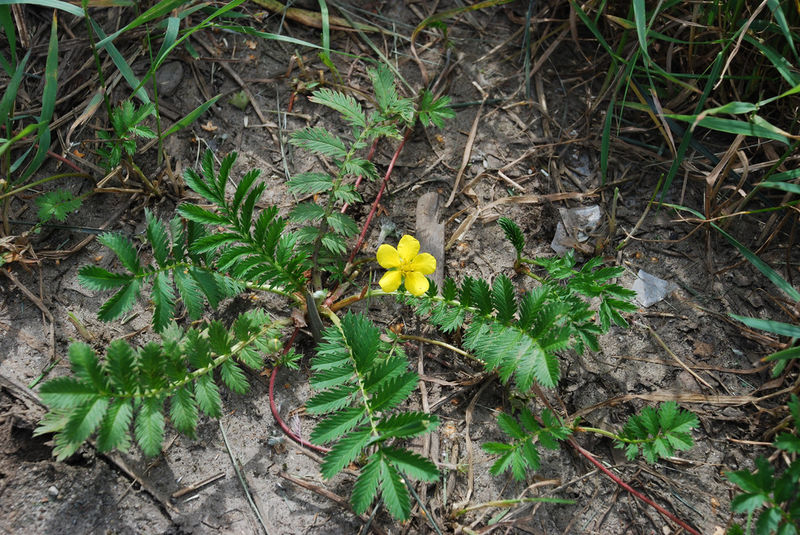
P. anserina ,
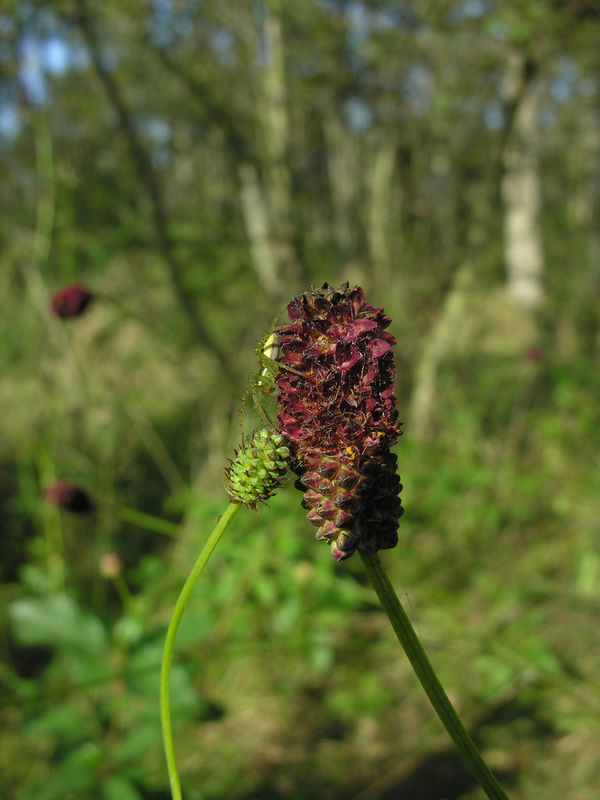
Sanguisorba officinalis Photo: Р.Кіш,
Schoenus ferrugineus **,
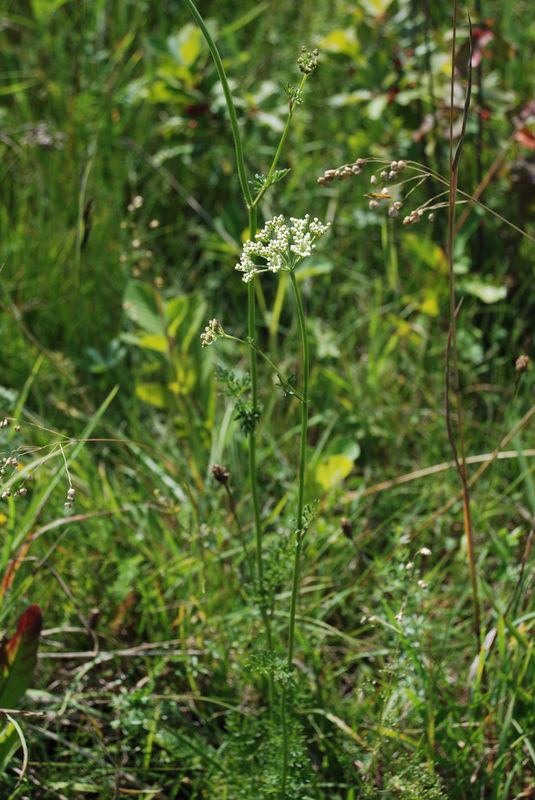
Selinum carvifolia ,
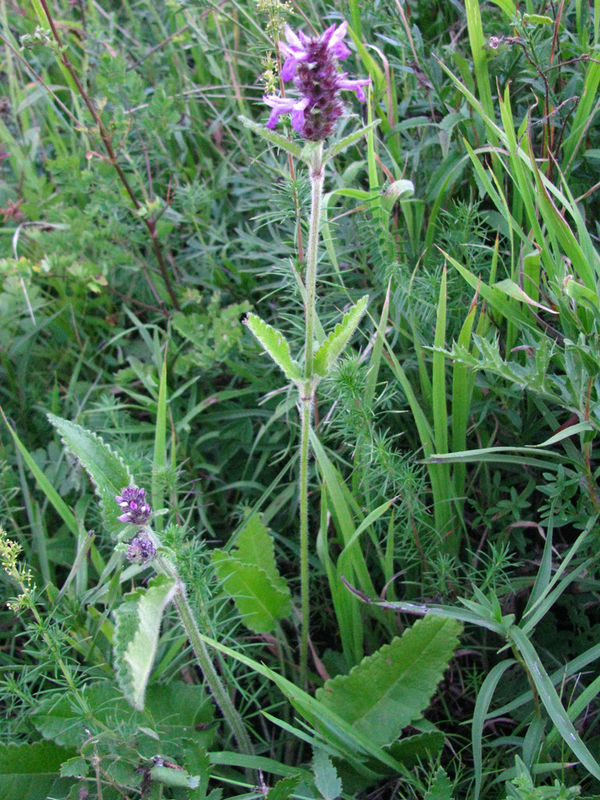
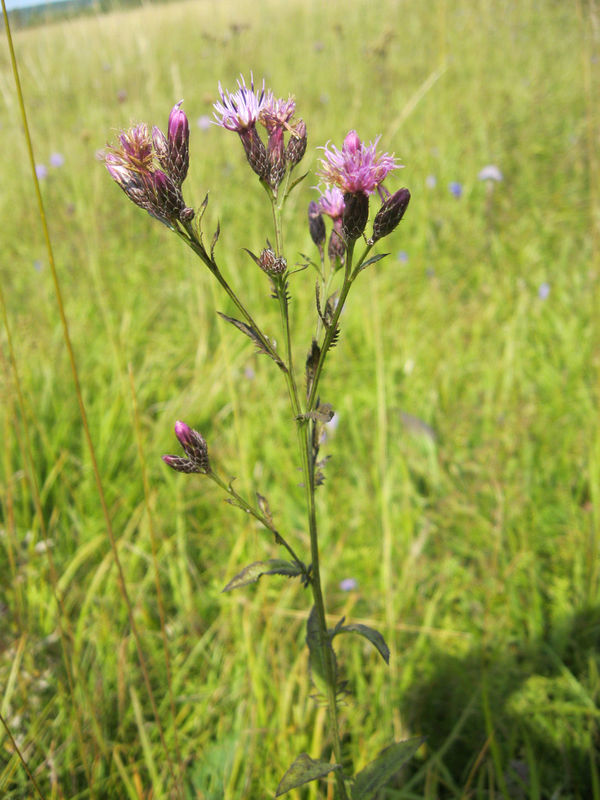
Serratula tinctoria ,
Sesleria caerulea **,
Succisa pratensis ,
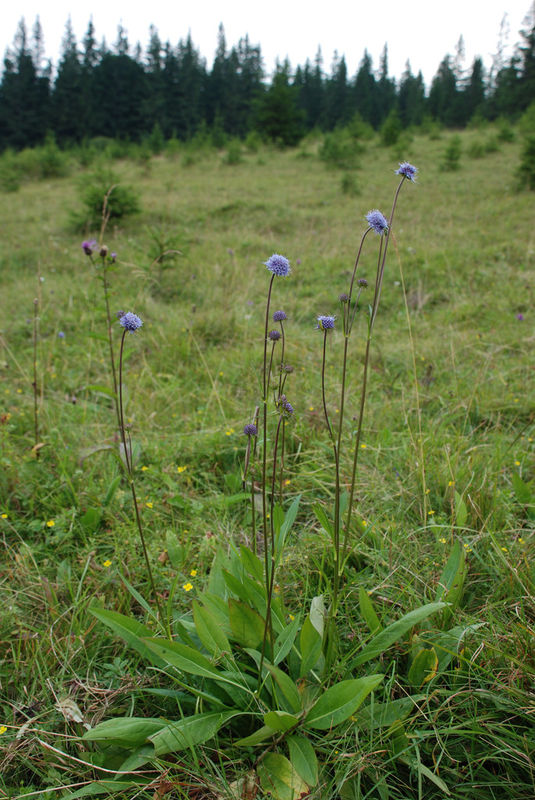
Succisella inflexa Photo: Р.Кіш**,
Swertia perennis **,
Tofieldia calyculata **,
Trollius europaeus *;
moss:
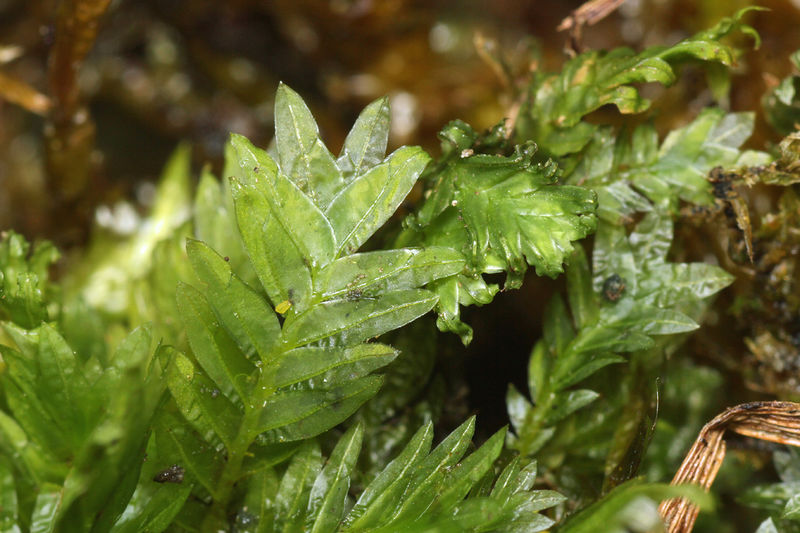
Fissidens adianthoides Photo: http://moonmoths.blogspot.com/2011/12/oxwich-point.html.


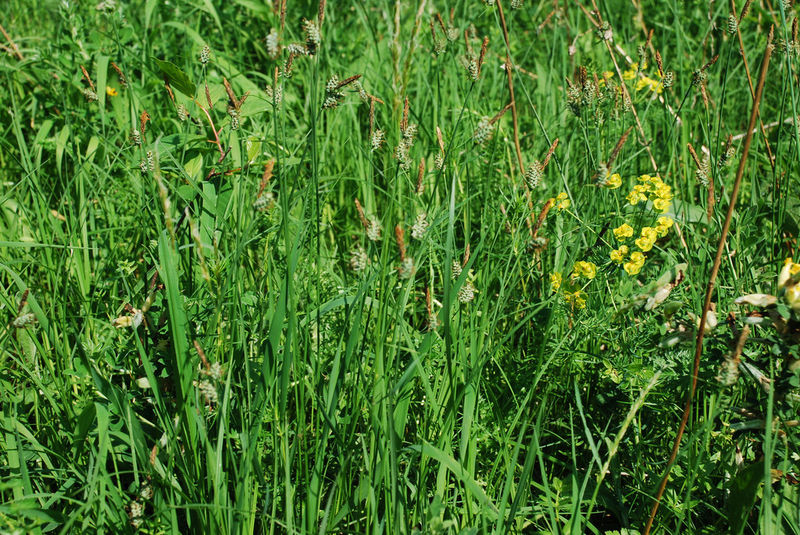







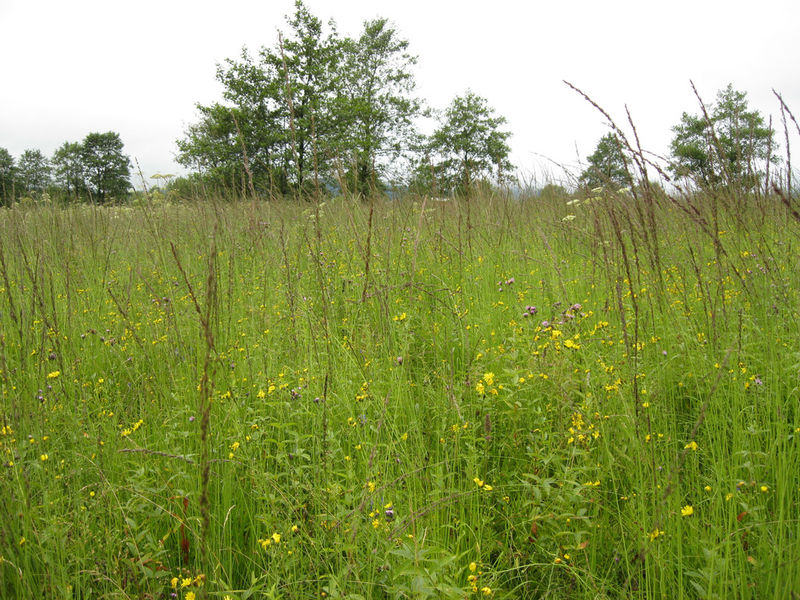






Structure. Habitats with the least transformed communities which are characterized by a relatively dense (95-100%), two-, three-layered sward with the main layer 100 (80)-140 (170) cm high.
Molinia caerulea (26-95%) predominates in the main layer. Also it includes other tall herbs such as
Filipendula denudata ,
Lythrum salicaria ,
Deschampsia caespitosa (to 25%),
Sanguisorba officinalis Photo: Р.Кіш,
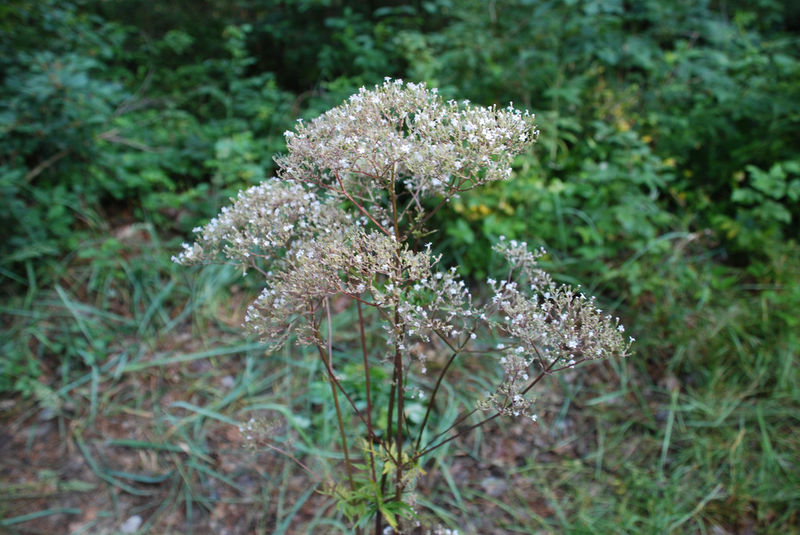
Eupatorium cannabinum (15),
Gentiana pneumonanthe ,
Angelica sylvestris ,
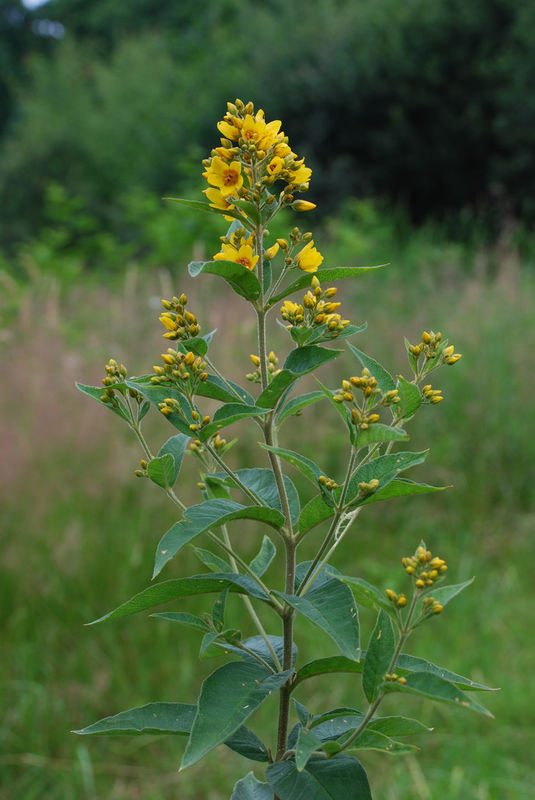
Lysimachia vulgaris ,
Serratula tinctoria ,
Calamagrostis varia ,
Valeriana officinalis ,
Succisa pratensis (5%) and others. Such species as
Galium boreale Photo: С. Соколенко,
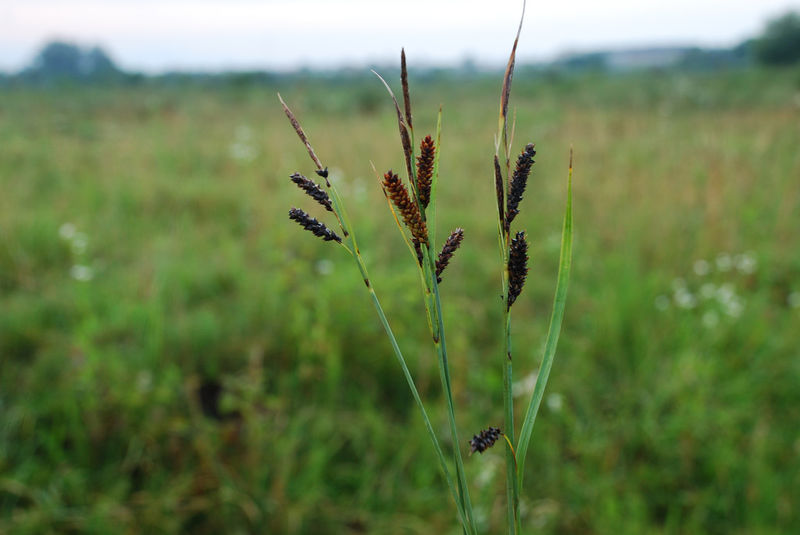
Carex flacca ,
C. flava ,
C. panicea ,
Potentilla erecta , less
Juncus articulatus (25%) and
Potentilla anserina (15%) are often co-dominants of the lower (second, third) layers.
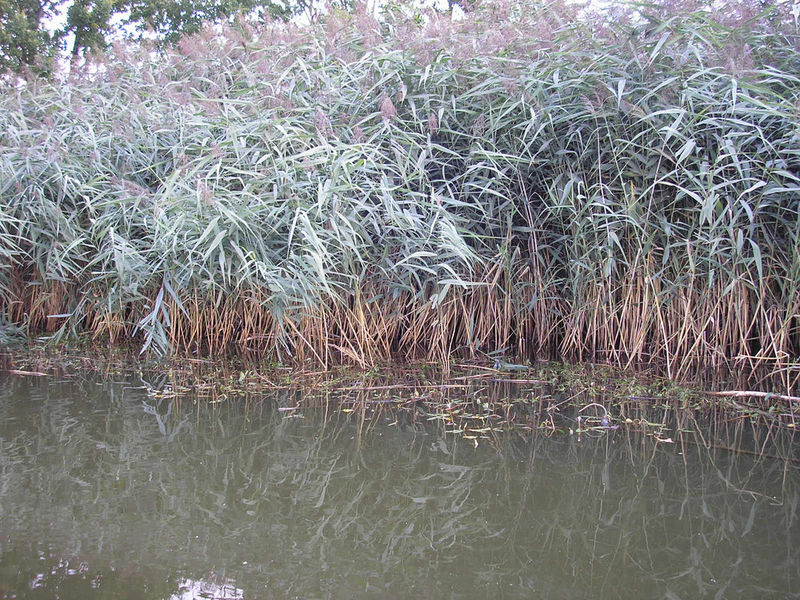
Phragmites australis (to 50-60%) is often co-dominant on wetlands, except low sedges and other hygrophyte species mentioned above.
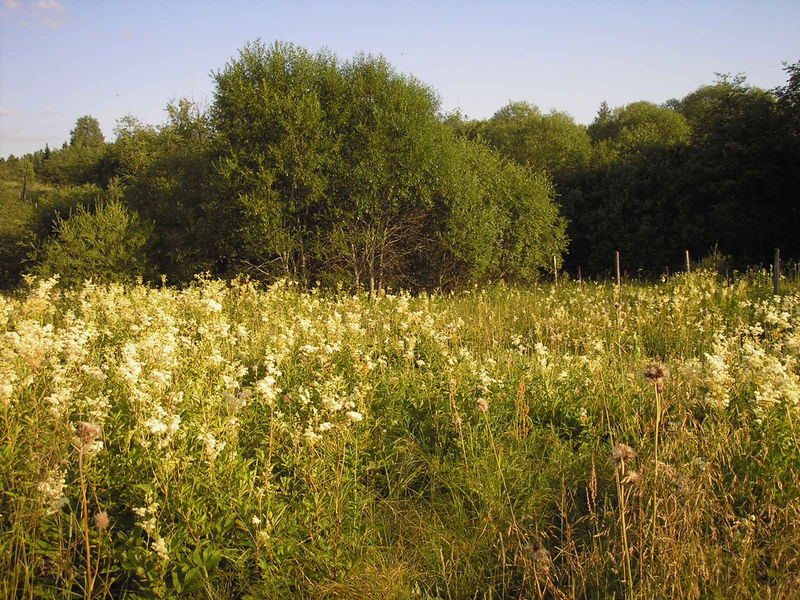
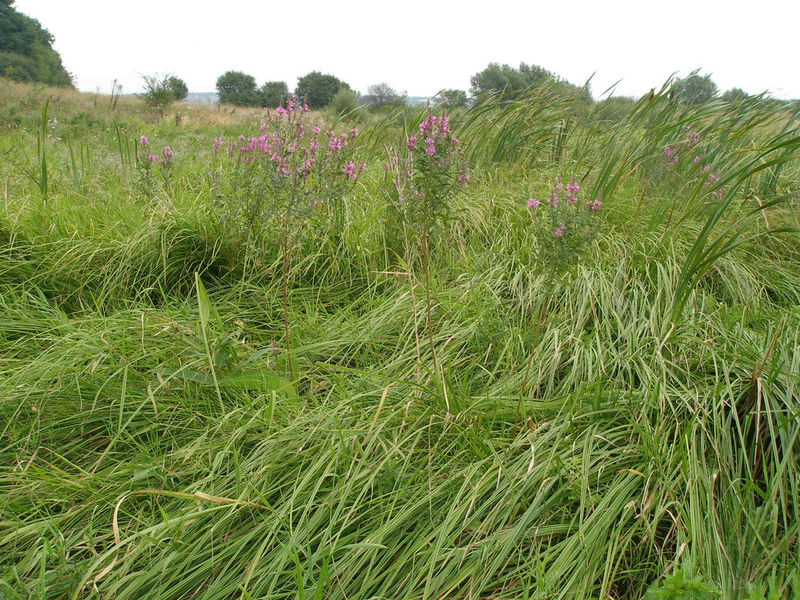
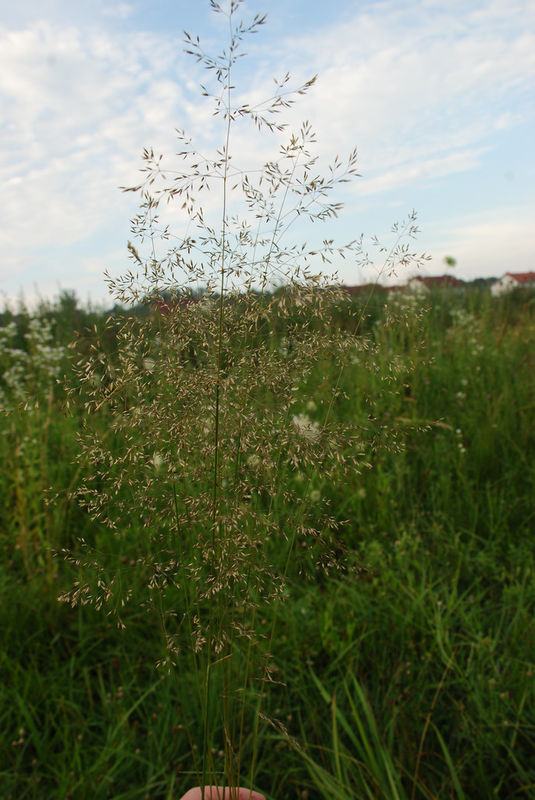

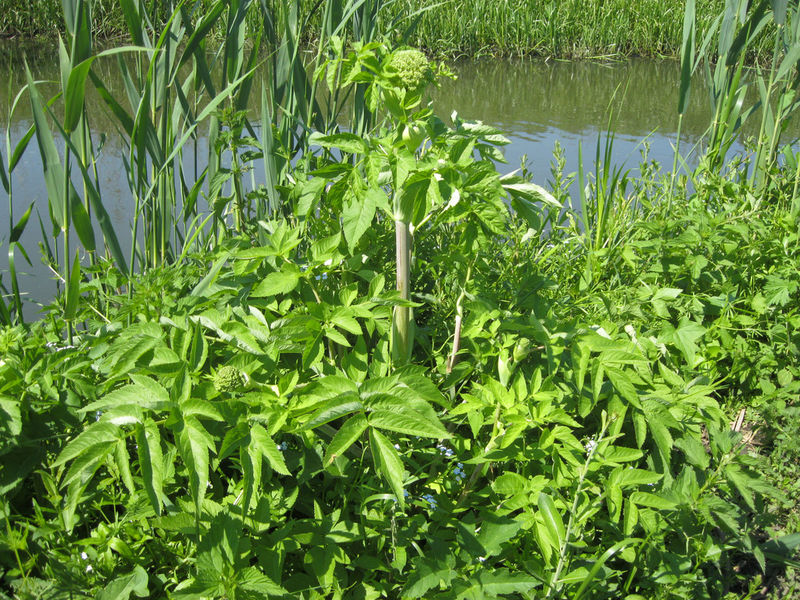
Subtypes (subunions) of Molinia meadows (Eu-molinion) are the most abundant as to their floristic composition; Junco-Molinion (Juncion acutiflori) meadows are characterized by relatively poor floristic structure and are mainly formed in the overgrowing devastated areas of peat quarries.
Ecological characteristic. Habitats are represented by sporadically distributed communities of damp and wet Molinia meadows of anthropogenic origin. These plant communities are mainly concentrated in the upper of the Western Bug river and in the valleys of some its tributaries, in particular Poltva, Solokiya, Zolochivka, Tymkovetskyi Stream and others, as well as in the areas with a high amount of ground water. They have mainly formed in the place of drained eutrophic bogs under the conditions of specific management (one-time cutting of grass and moderate pasture). They occupy a small area of the region, preferably within the high floodplains and dried up peats. Eu-molinion communities occur on the neutral and alkali soils or carbonate meadow-boggy ones (mainly peat soils) with a variable moisture regime (summer soils usually dry up), while Juncion acutiflori communities are typical for more acidic (peat bog) soils.
Threats. Eutrophication, change of hydrological regime of the soil (drying up) resulting in overgrowing by trees, and those of management methods.
Management. Application of optimal managment regime of meadows (late one-time cutting and moderate pasture).
References. Соломаха, 1996; W. Matuszkiewicz, 2001; Moravec, Balátová-Tuláčková, Blažkova et al., 1995; Oberdorfer, 1994; Schubert, Hilbig, Klotz, 2001.
Author: О. Kuziarin.