6430
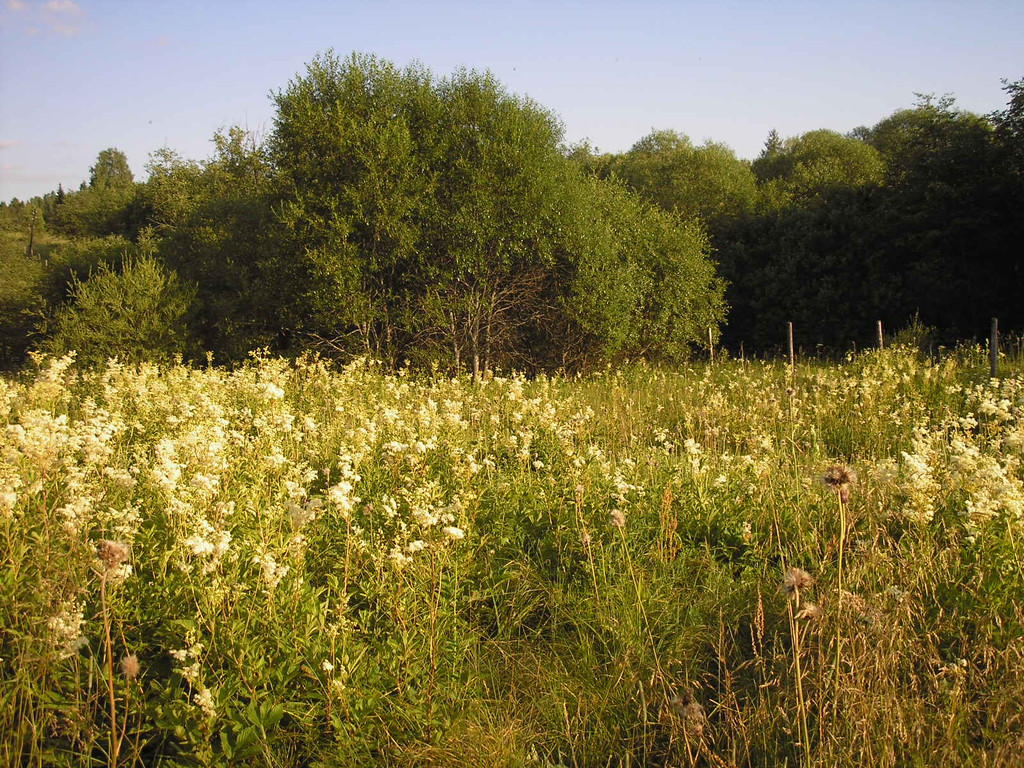
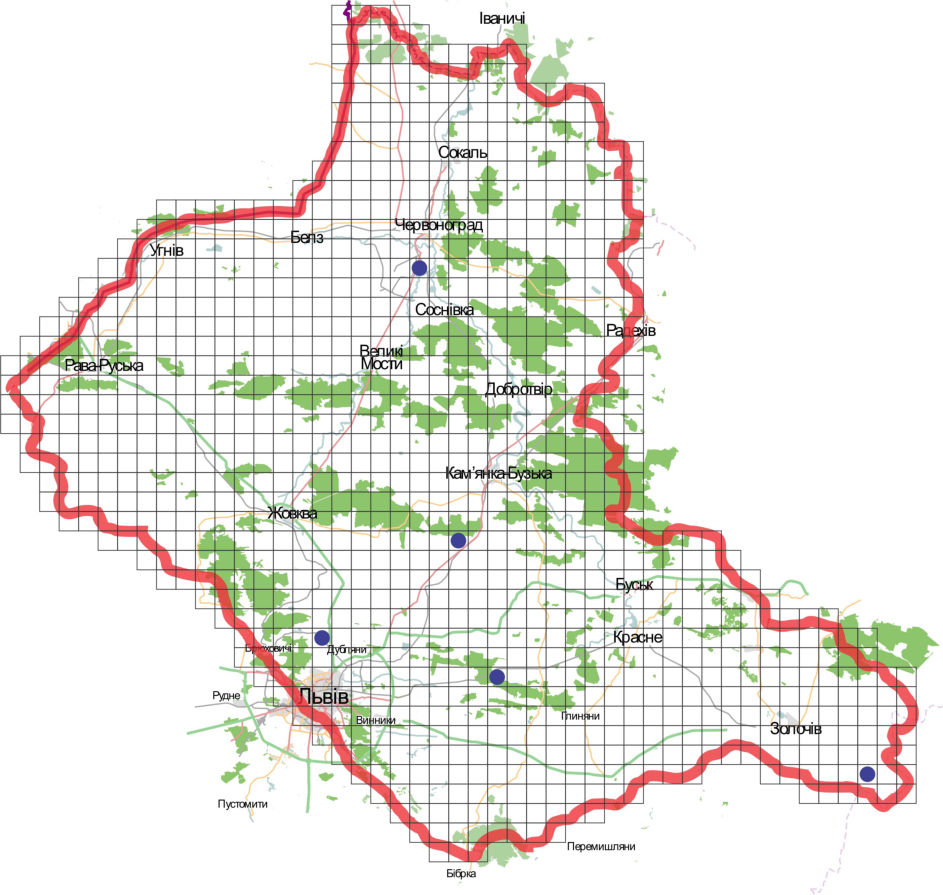
Hydrophilous tall herb fringe communities of plains and of the montane to alpine levels
Syntaxonomy. Filipendulion ulmariae Segal 1966: Filipendulo-Geranietum W. Koch 1926, Valeriano-Filipenduletum Siss. in Westh. et all. 1946, Lysimachio vulgaris-Filipenduletum Balátová-Tuláčková 1978, Lythro-Filipenduletum Hadač et all. 1997, Filipendulo-Menthetum longifoliae Zlinska 1989.
Species:
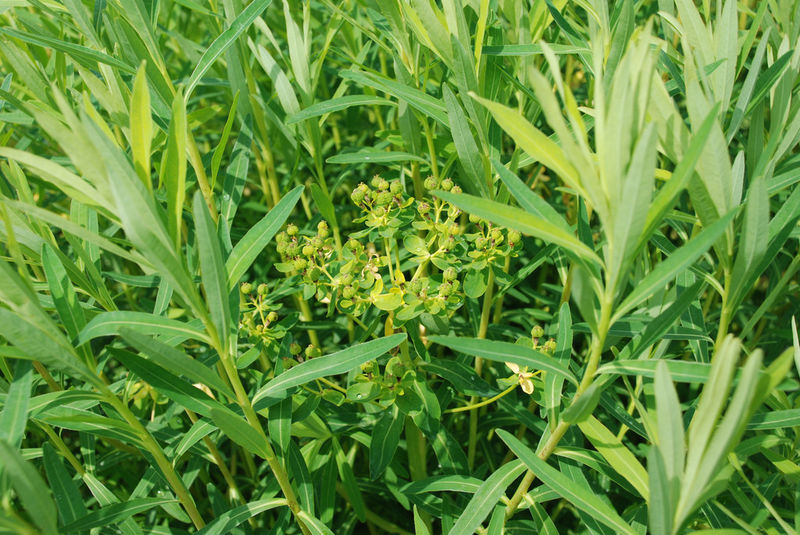
Euphorbia palustris ,
Filipendula ulmaria ,
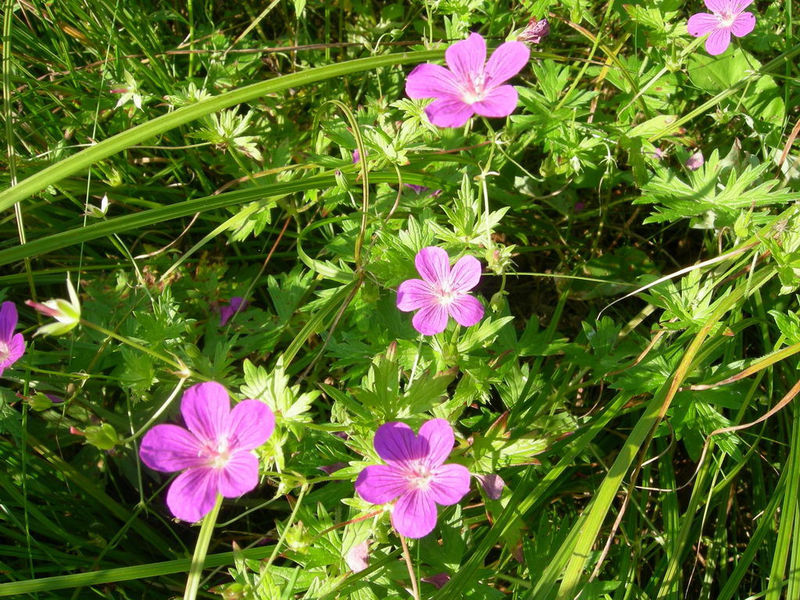
Geranium palustre Photo: В. Малибог,
Iris sibirica **,
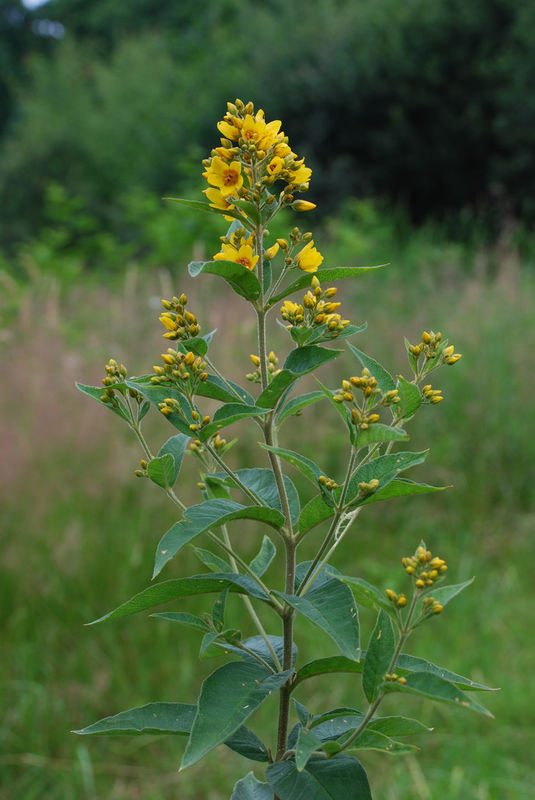
Lysimachia vulgaris ,
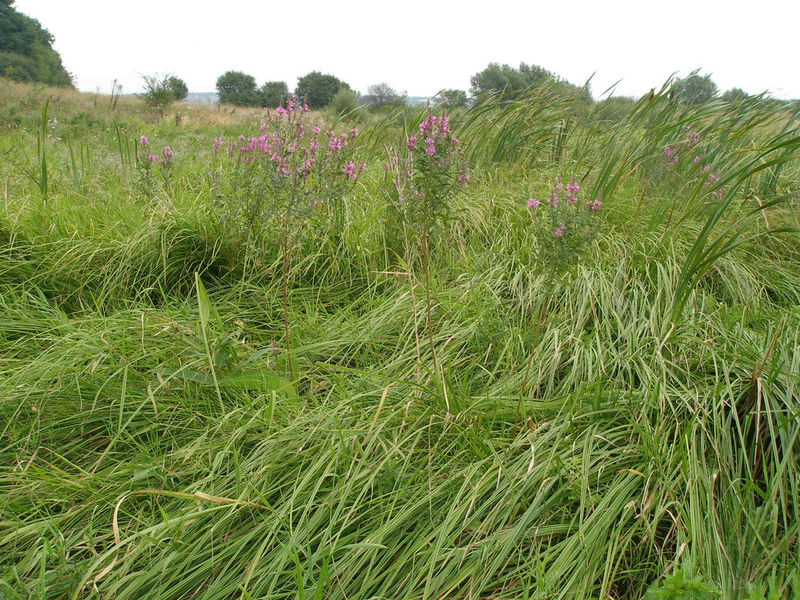
Lythrum salicaria ,
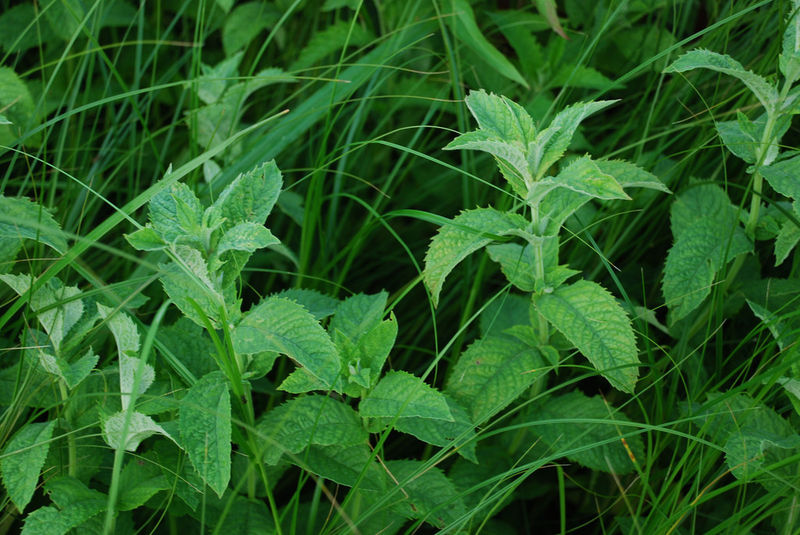
Mentha longifolia ,
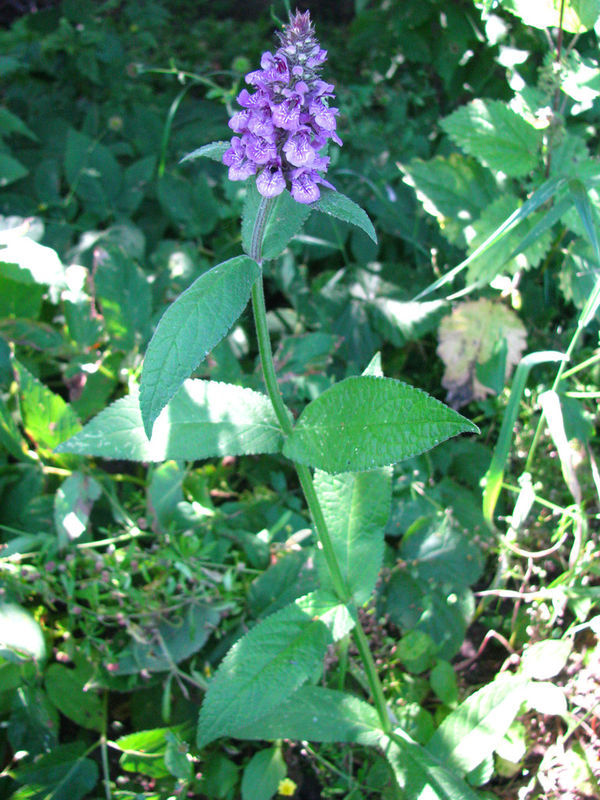
Stachys palustris ,
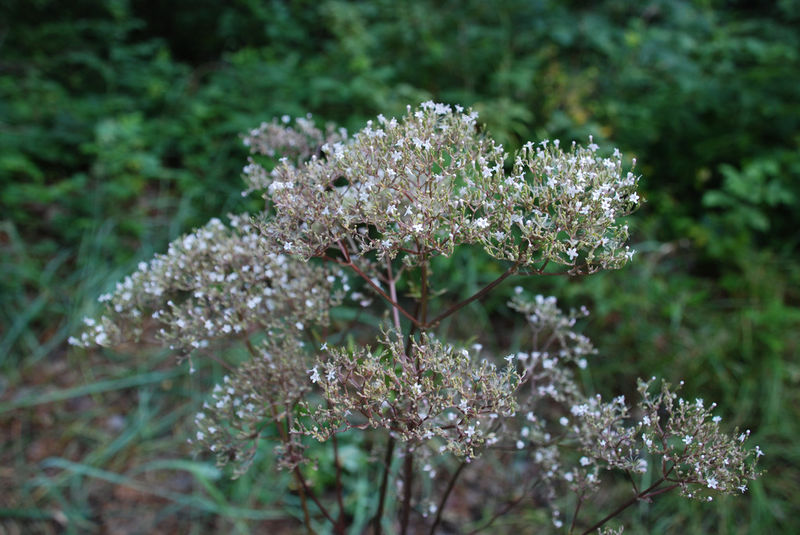
Valeriana exaltata ,
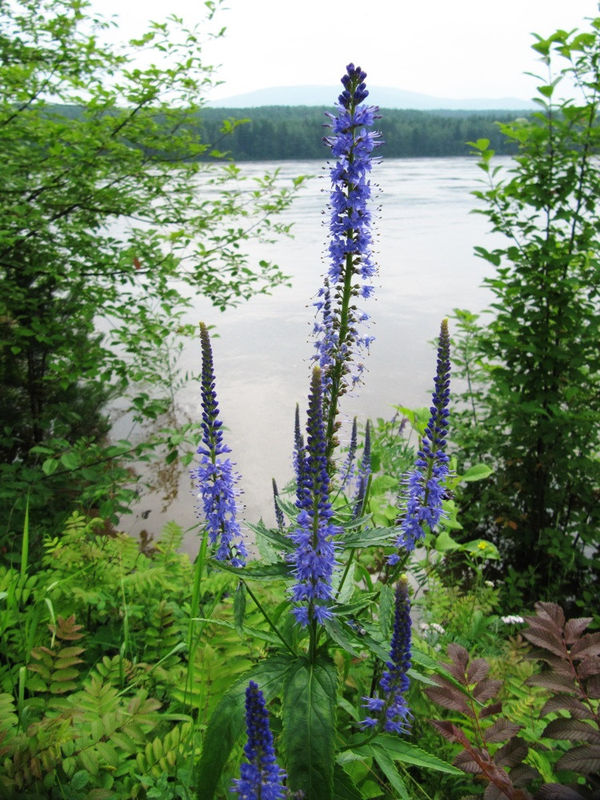
Veronica longifolia Photo: Л. Онищенко.
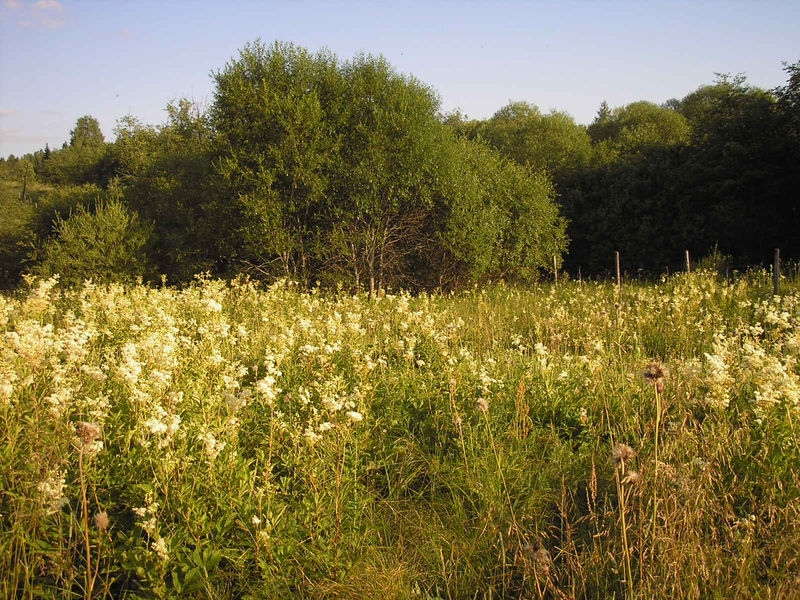

Structure. Wet meadows with the prevalence of the high herb plants belong to this type of the habitat. The sward is formed by
Filipendula ulmaria ,
Valeriana exaltata ,
Lysimachia vulgaris ,
Euphorbia palustris ,
Stachys palustris ,
Geranium palustre Photo: В. Малибог,
Lythrum salicaria ,
Iris sibirica ,
Veronica longifolia Photo: Л. Онищенко and others.
Ecological characteristic. Habitats are formed on gleyed soils, rich in nutrients, sand, silty and sand-silty ones with a high ground water level. Usually these nitrophylious communities are located in the form of the narrow strips near riverbeds and channels and occupy a small area. Often they are considered as a stage of succession following after the ceasing of cutting Calthion union meadows. Mainly they number a lot of ruderal species.
Threats. Change of hydrological regime, adjustment of river channels, expansion of neophyte species, farming.
Management. Prevention of the habitats integrity destruction, maintanance of the natural flow of the rivers, limiting the expansion of invasive species.
References. Chytrý, Kučera, Koči (eds.), 2001; Matuszkiewicz, 2007, Valachovič (eds.), 2002.
Authors: V. Honcharenko, I. Danylyk.