6450

Northern boreal alluvial meadows
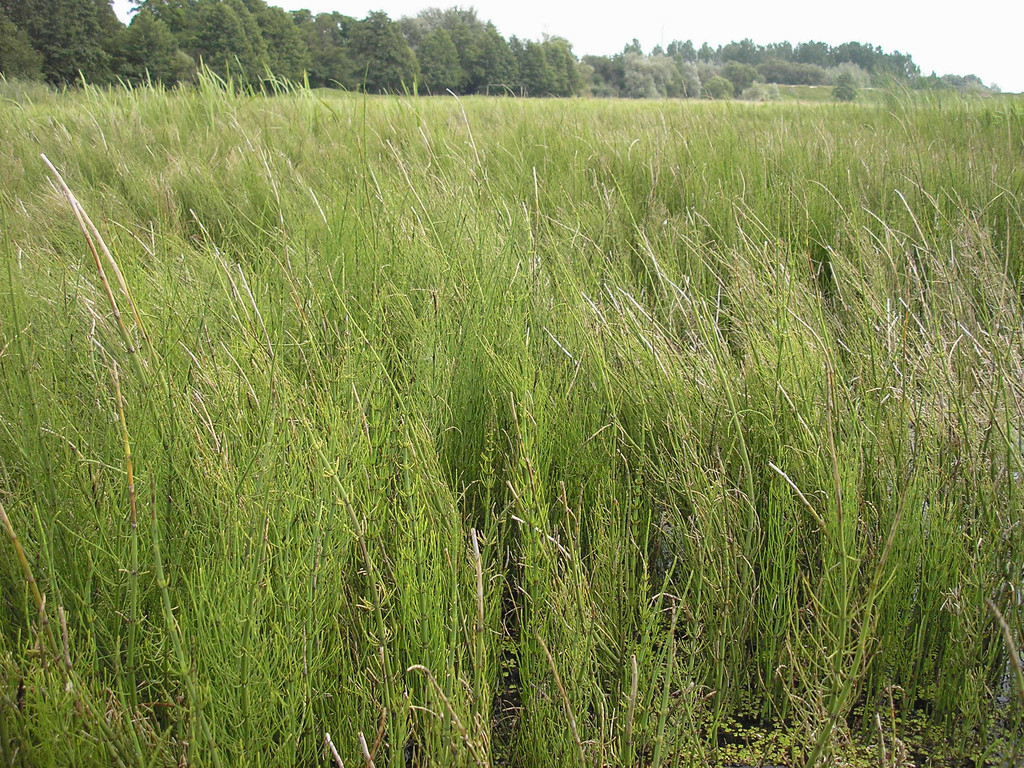
Syntaxonomy. Phragmition australis W. Koch 1926 em Pass. 1964: Equisetetum fluviatilis (Steffen 1931) Wilzek 1935, caricion elatae W. Koch 1926: Caricetum gracilis Almqu. 1929, Phalaridetum arundinaceae Libb. 1931, Deschampsion cespitosae Horvatić 1930: Deschampsietum caespitosae Horvatić 1930.
Species:
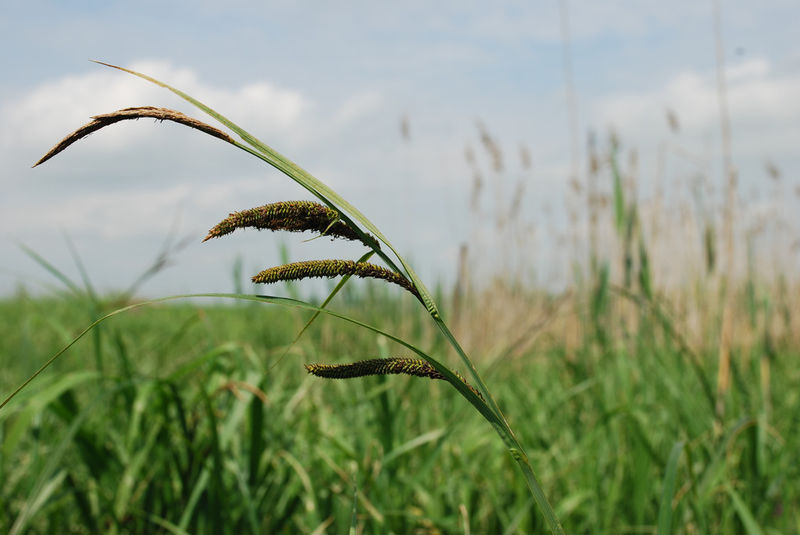
Carex acuta ,
C. flava ,
Cirsium rivulare Photo: А.Токарюк,
Dactylorhiza incarnata **,
D. majalis **,
Deschampsia caespitosa ,
Epipactis palustris **,
Equisetum fluviatile ,
E. palustre ,
Filipendula denudata ,
Glyceria maxima ,
Juncus effusus ,
Lycopus europaeus ,
Lysimachia nummularia ,
L. vulgaris ,
Lythrum salicaria ,
Phalaroides arundinacea ,
Phragmites australis ,
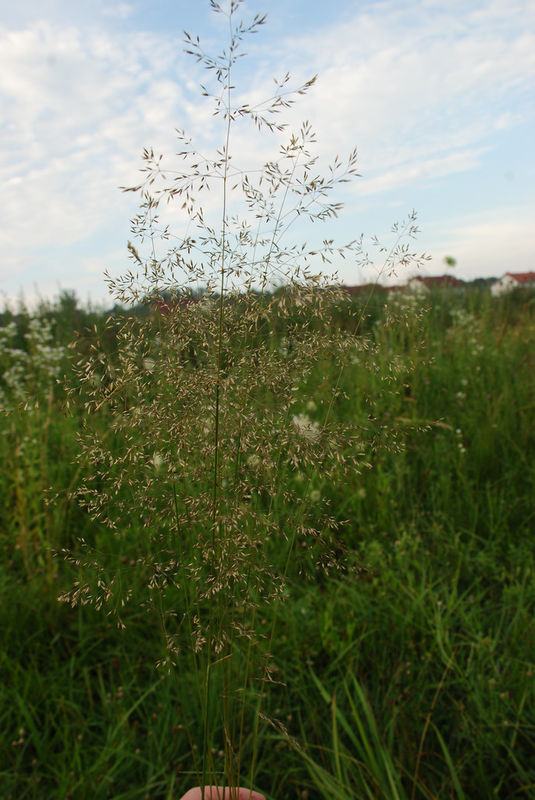
Poa palustris Photo: В. Папченков,
Potentilla anserina ,
Sanguisorba officinalis Photo: Р.Кіш,
Scirpus sylvaticus ,
Symphytum officinale .



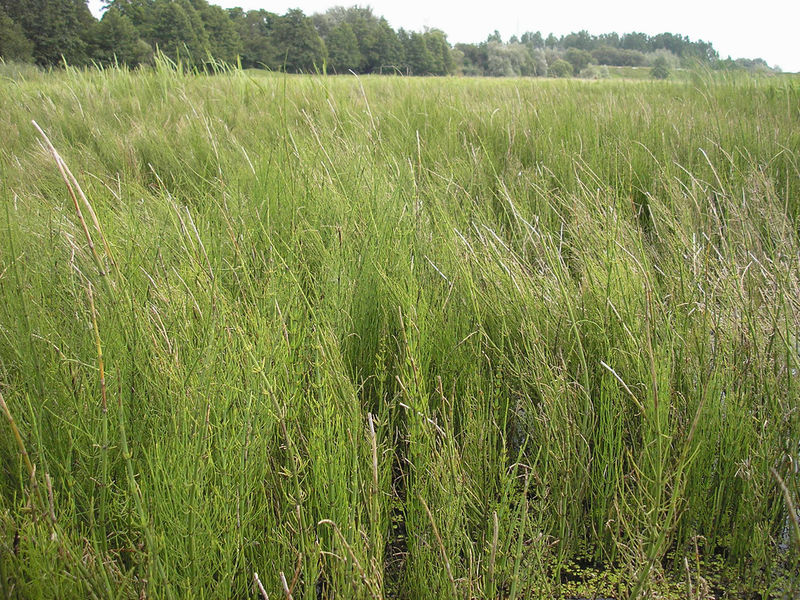

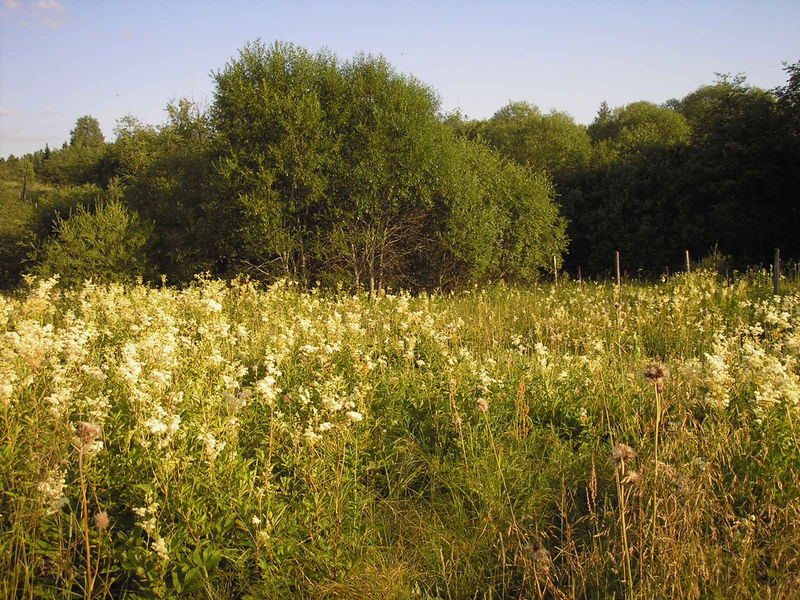
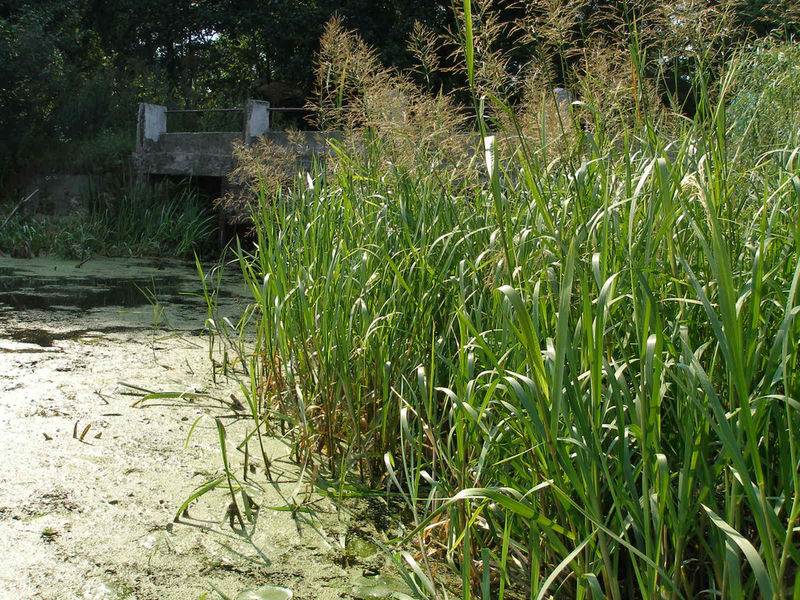
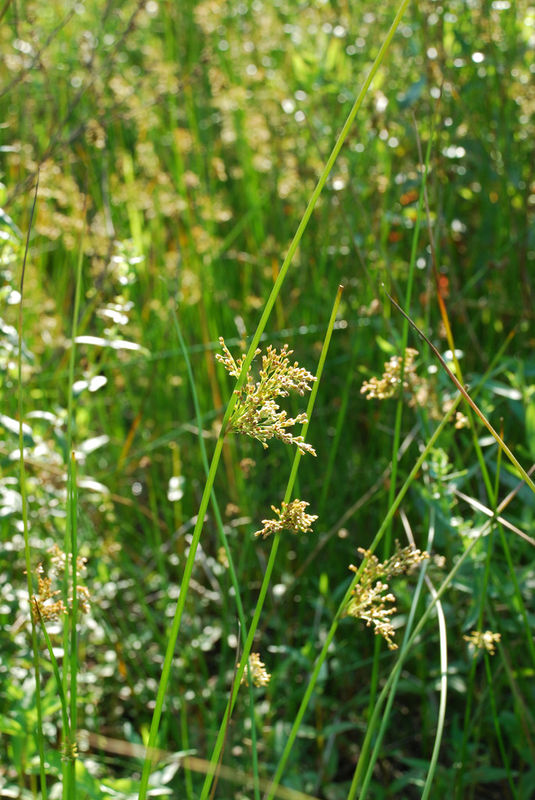
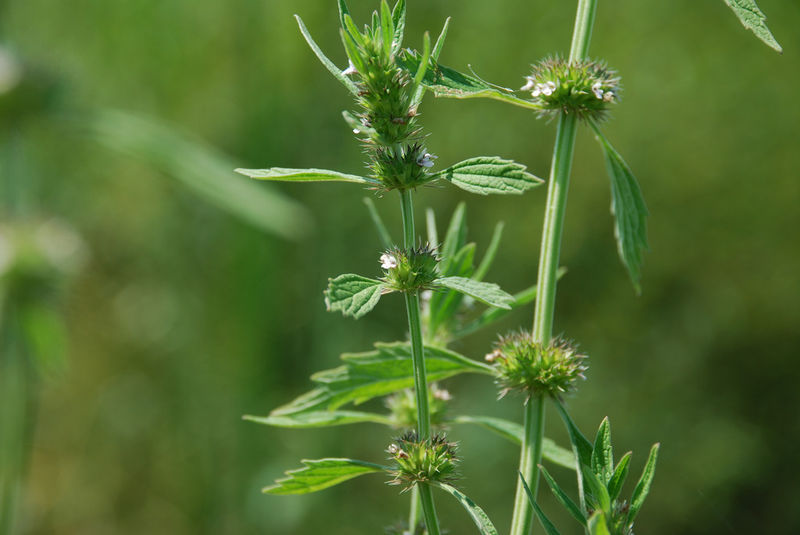
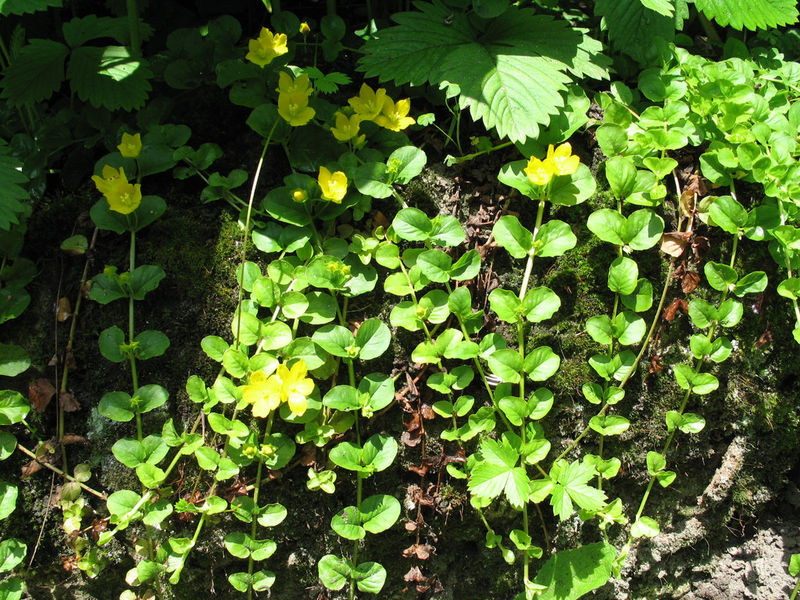

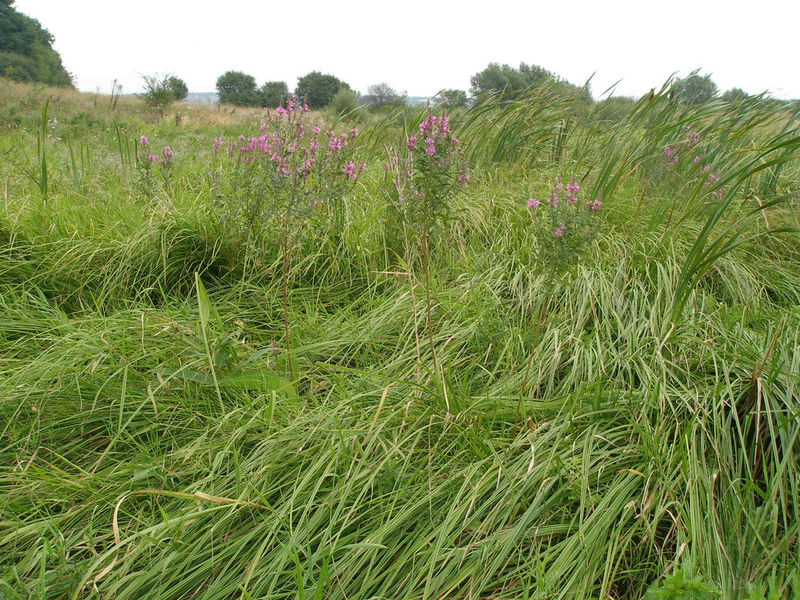

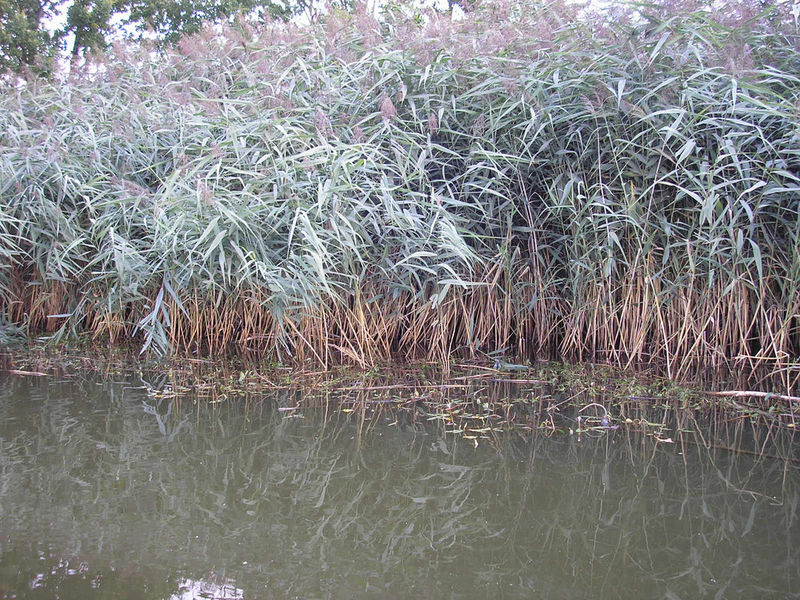
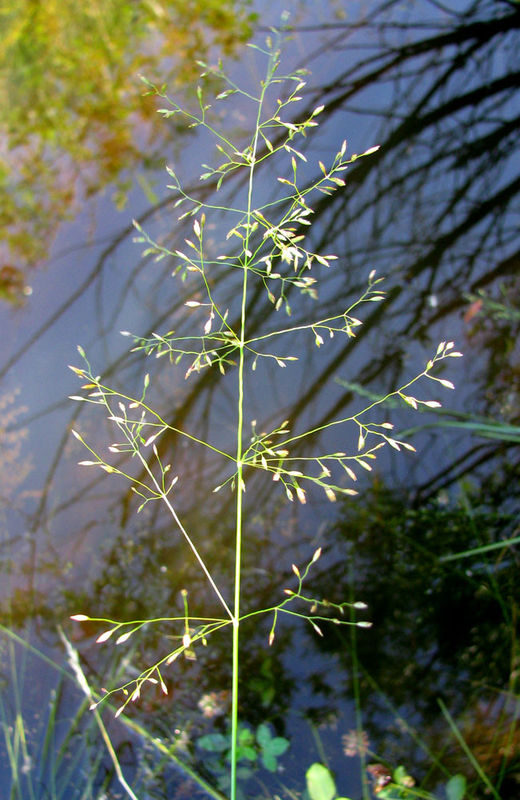
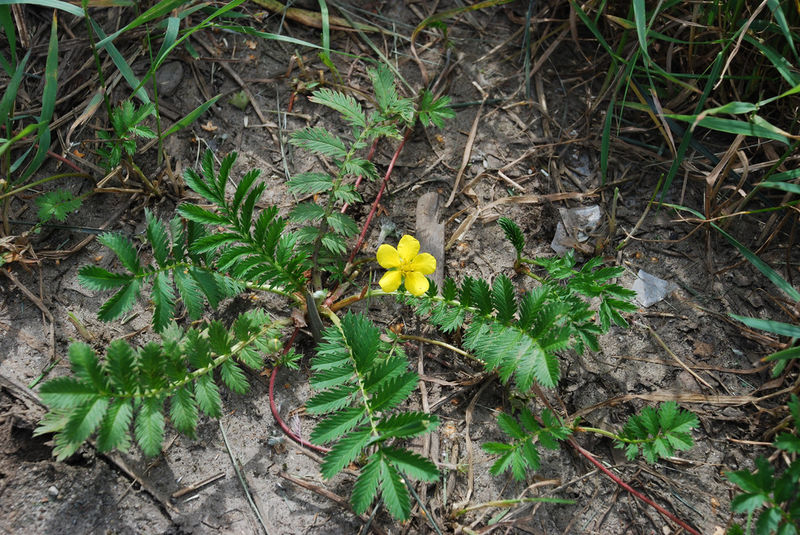
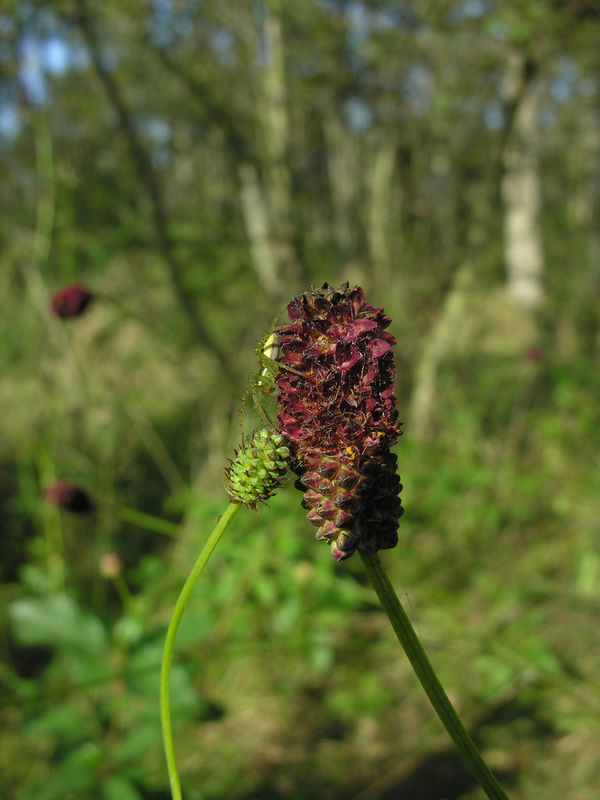
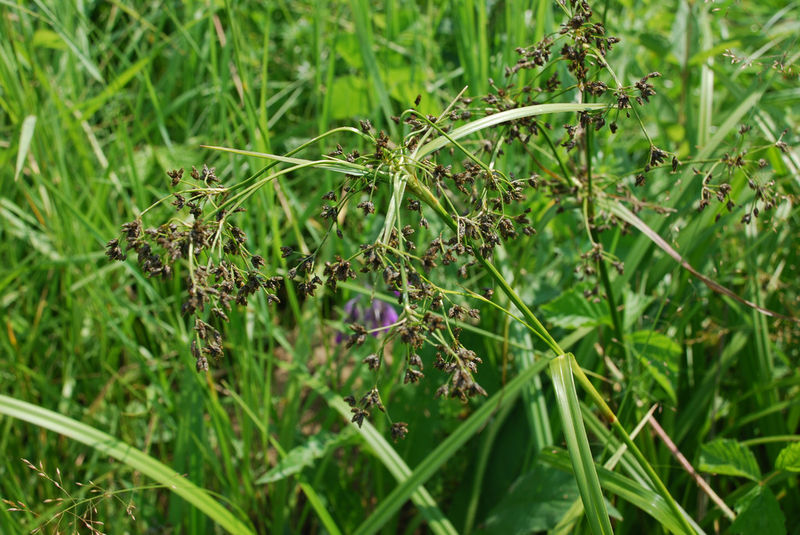

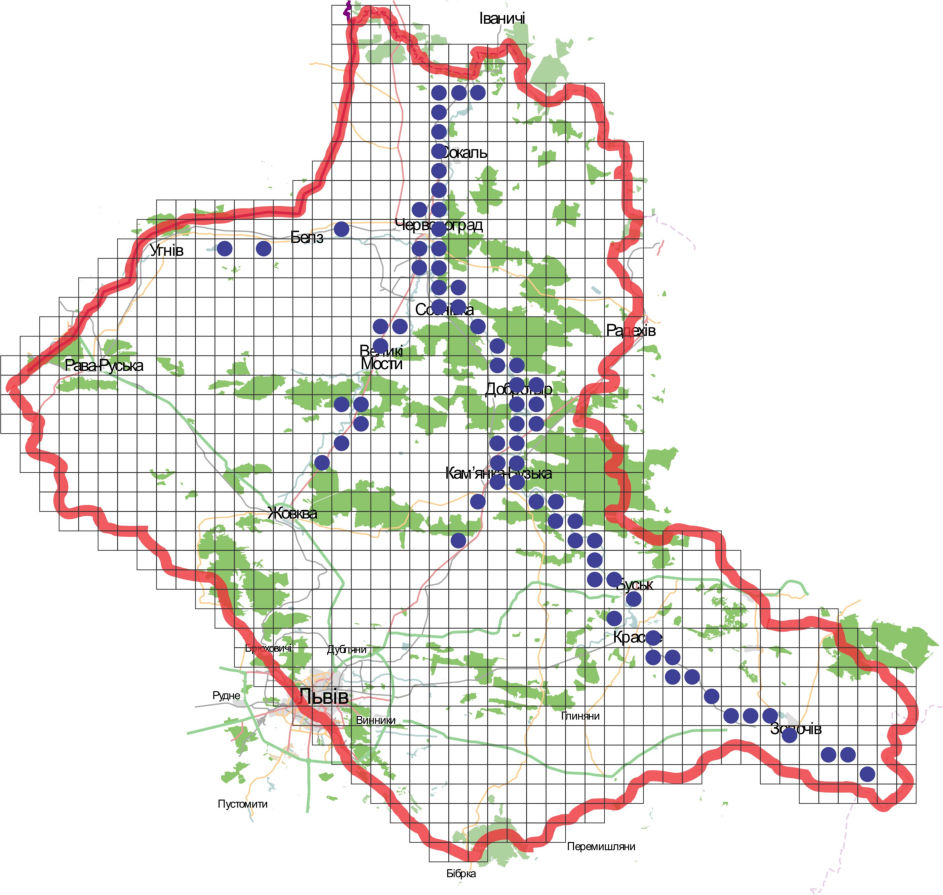
Structure. Habitats are represented by secondary communities, mainly consisting of long rhizomed sedges and grasses, which have been formed under the cutting regime. Most of them occupy large areas, being the most common plant communities in the region. Specific richness of communities usually does not exceed more than 38 species of higher plants. They are generally characterized by dense (90-100%) sward with main layer 80-160 (200) cm high. Characteristic dominant species form the basis of sward. Areas under the long-term flooding are characterized by a considerable participation of hydrophilic species (
Carex acuta ,
C. riparia ,
C. rostrata ,
Equisetum fluviatile ,
Glyceria maxima ,
Phragmites australis ,
Cirsium rivulare Photo: А.Токарюк,
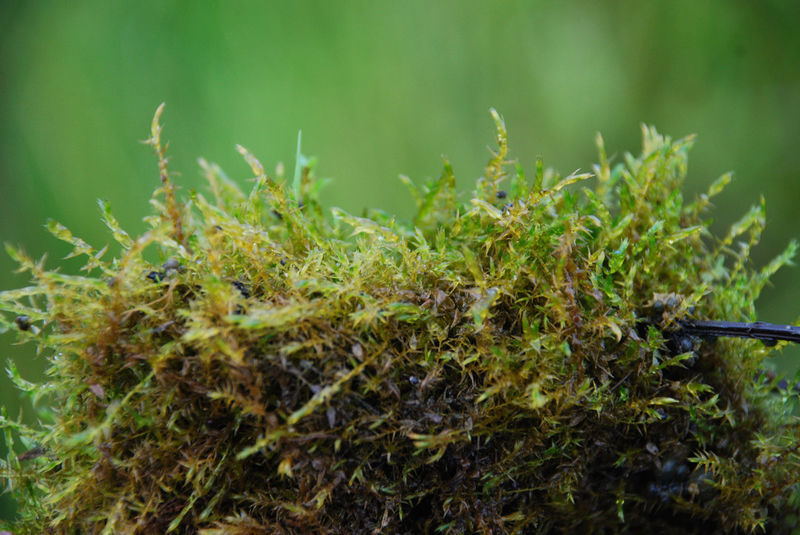
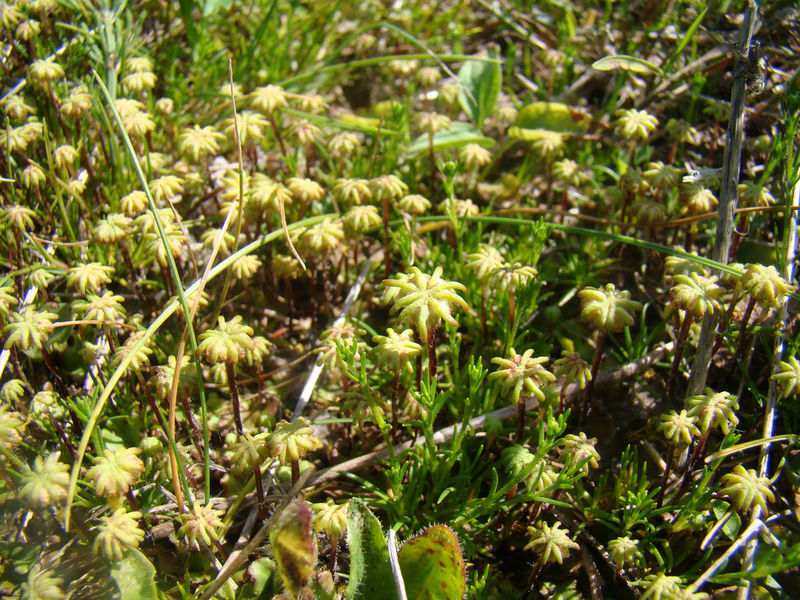
Scirpus sylvaticus etc.). Moss cover is usually less than 20%. It includes such species as
Drepanocladus aduncus ,
Calliergonella cuspidata ,
Brachythecium rivulare ,
Climacium dendroides Photo: © Copyright Malcolm Storey 2011-2112 · 3 and
Marchantia polymorpha . Riverside communities are characterized by relatively poor floristic structure with predominance of Phragmito-Magnocaricetea class species. A big number of sedge and grass boggy meadows are traditionally used as once or twice cutting haylands or, seldom, as the additional pastures.
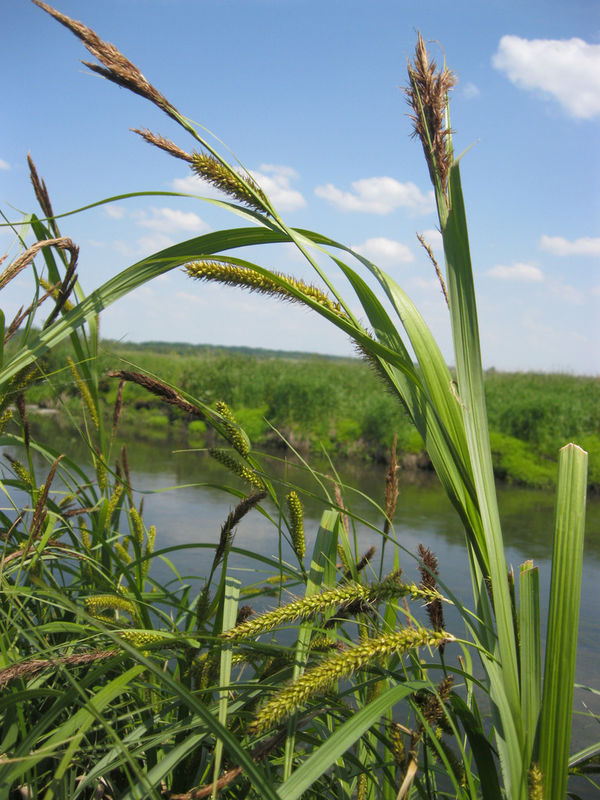



Ecological characteristic. Habitats mainly occur on the negative landforms within alluvial overgrowing areas, low floodplains, drainage channels, ditches etc. with the different alluvial, boggy and meadow-boggy soils. Their ecotypes are characterized by an alternation of coastal, boggy ecophase – during autumn-winter-spring period and the terrestrial one – in summer season. During the summer heat the water level can be lowered till 70 cm.
Threats. Change of hydrological regime of the soil (drainage) and those of management methods of using.
Management. Maintenance of the natural rivers flow with the formation of floodplains and spring floods, application of the optimal management methods of meadows (one-time cutting and moderate pasture).
References. Дубына, Гейны, Гроудова и др., 1993; Кузярін, 2003; Соломаха, 1996; W. Matuszkiewicz, 2001; Moravec, Balátová-Tuláčková, Blažkova et al., 1995; Oberdorfer , 1994; Schubert, Hilbig, Klotz, 2001.
Author: О. Kuziarin.