7150
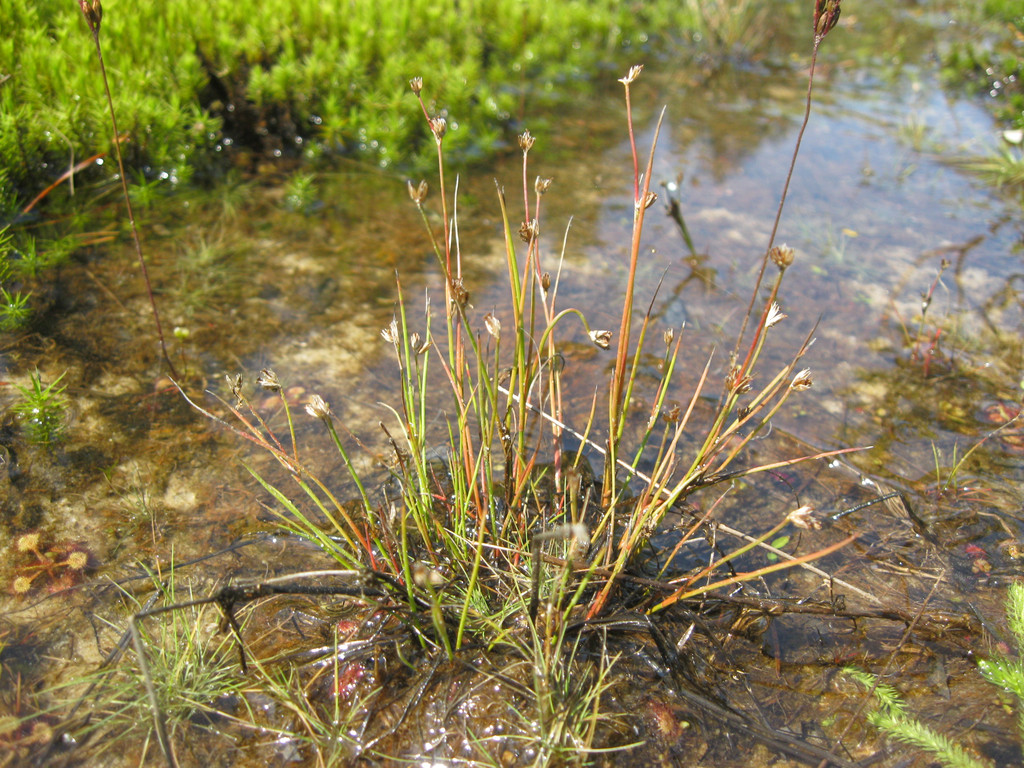
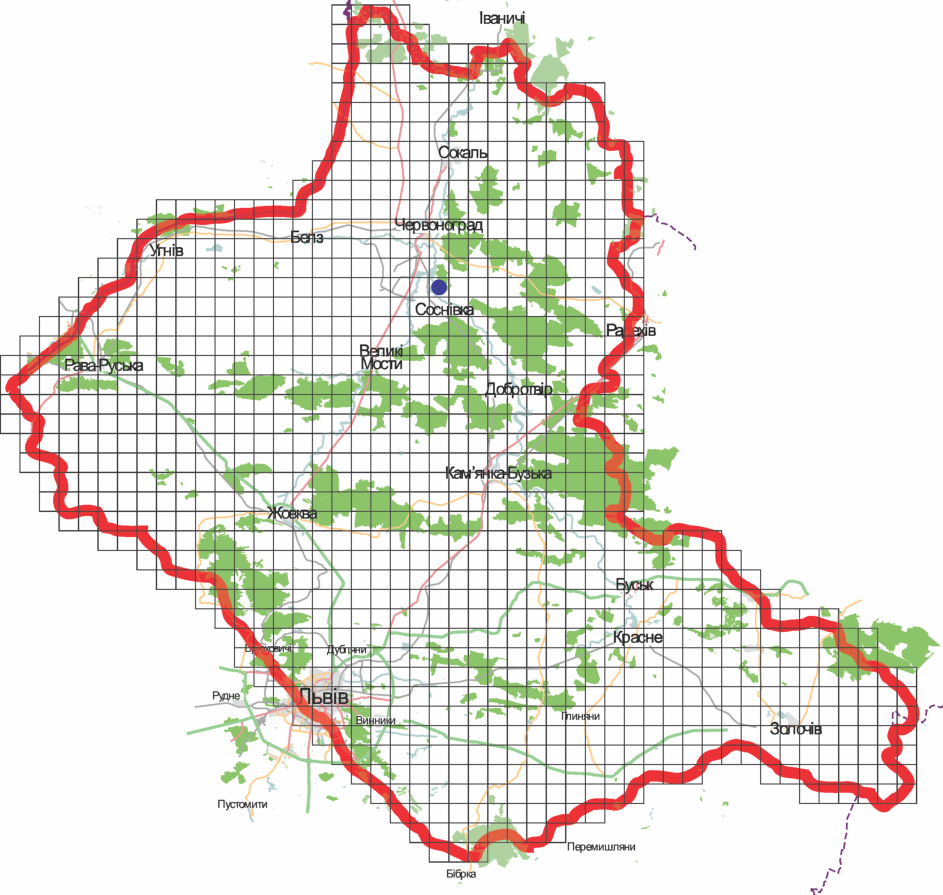
Depressions on peat substrates of the Rhynchosporion
Syntaxonomy. Rhynchosporion albae Koch 1926: Sphagno subsecundi-Rhynchosporetum albae (Koch 1926) Rybníček in Rybníček et al. 1984
Species:
Rhynchospora alba ,
Carex nigra ,
C. echinata Photo: Barry Breckling,
Drosera rotundifolia *,
Eriophorum angustifolium ,
Hydrocotyle vulgaris **,
Juncus bulbosus **,
Menyanthes trifoliata ,
Phragmites australis ,
Utricularia minor **,
Viola palustris ;
mosses:
Drepanocladus aduncus ,
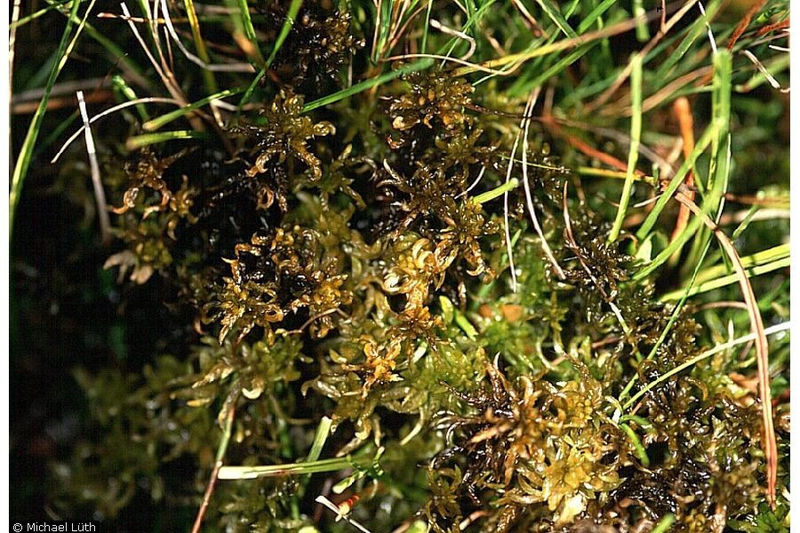
Sphagnum auriculatum Photo: Jonathan Shaw,
Sphagnum subsecundum .

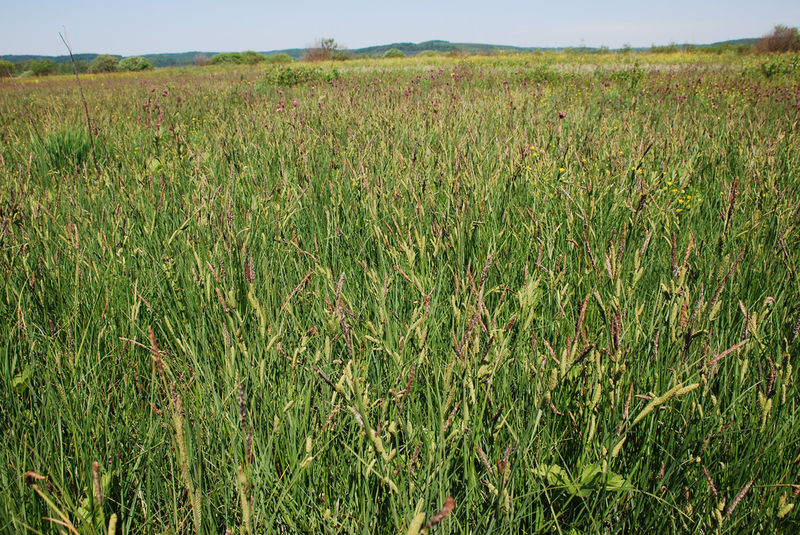


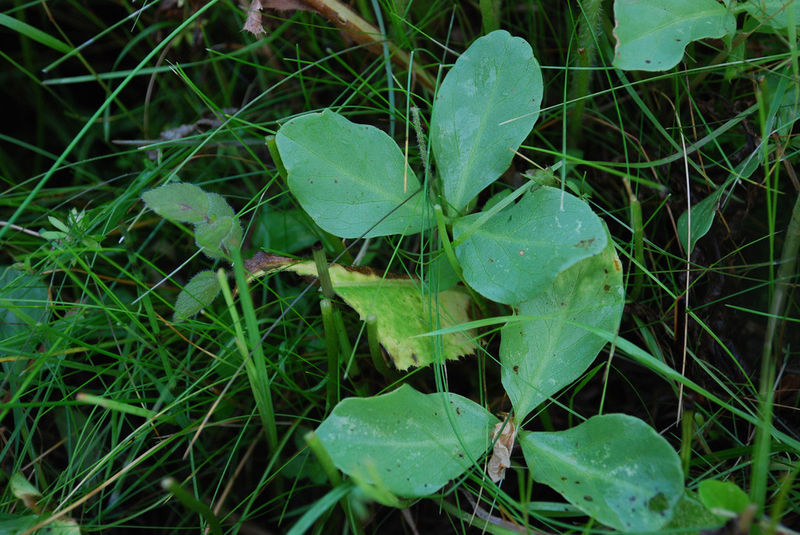
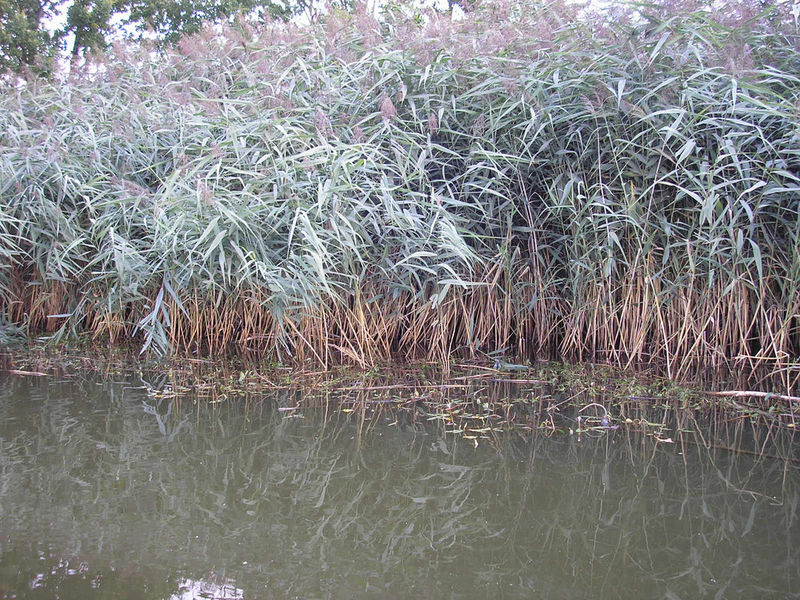

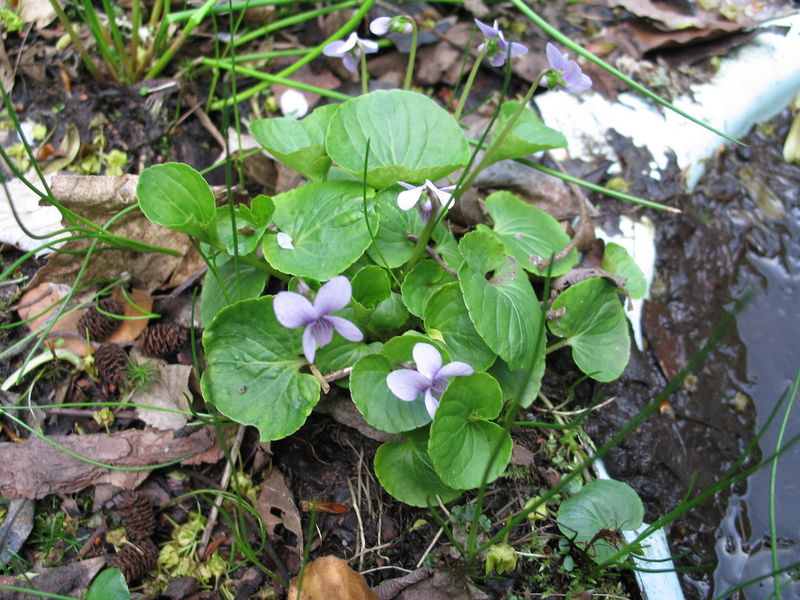
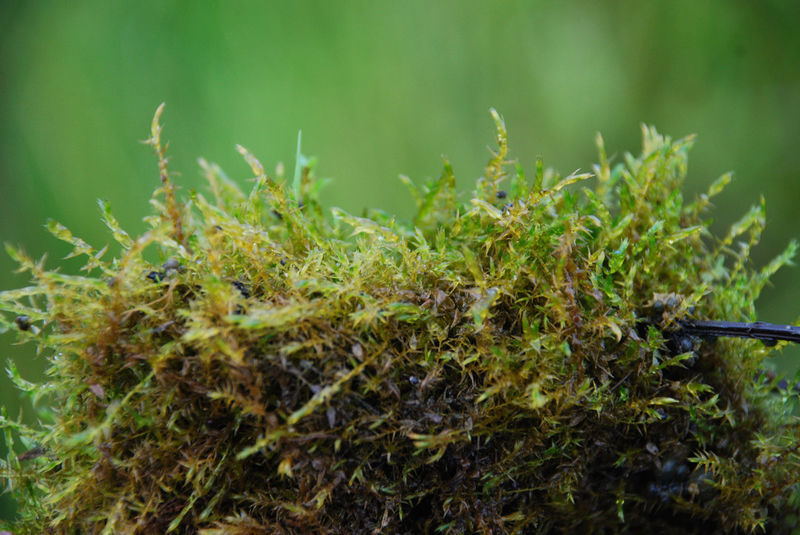
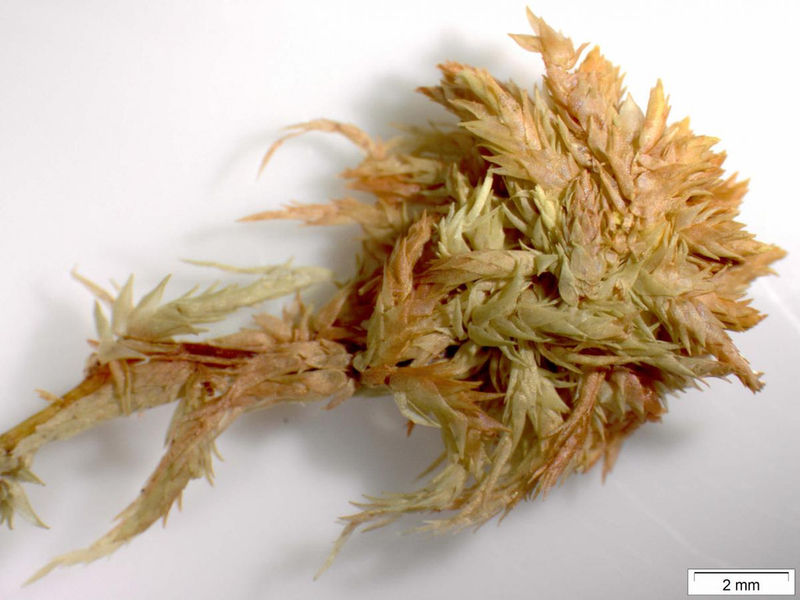
Structure. The habitat includes riverside areas of oligomesotrophic basins, extremely rare in the Central Europe, with oceanic community of Rhynchosporion albae union. They are located on the eastern border of their distribution, so they cannot be restored if they are lost. Only a single locality of this community has been found on the investigated territory. It occupies a small area and is under-proportion of such a diagnostic species as
Rhynchospora alba . Communities are low-growing, poor in species, with small projective cover (60%). They are usually formed by two layers. Above-water layer is represented by
Utricularia minor and mosses.
Rhynchospora alba or
Juncus bulbosus predominate in the overground layer. Some rare oceanic species (
Hydrocotyle vulgaris ,
Juncus bulbosus ) which are also located on the eastern border of their distribution have been uncovered on the investigated territory.
Ecological characteristics. Communities of this type are pioneered and mainly developed on sandy, rarely peat substrate in soil depressions (often among sandy dunes). Substrate is generally well humidified the whole year, very poor in mineral compounds and humus.
Threats. Natural succession, afforestation, sand extraction, drying up due to digging the reclamation canals, eutrophication due to flushing of organic fertilizers from surrounding agricultural lands.
Management. Restoration of communities by means of reiterative mechanical interventions (elimination of tree species, creation of the open sites suitable for the passage of primary succession stages), maintenance of the ground water level.
References. Chytrý M., 2010; Chytrý M., Kučera T., Koči M. (eds.), 2001; Viceníková, Polák, 2003.
Author: L. Borsukevych.