9130

Asperulo-Fagetum beech forests
Syntaxonomy. Fagion Luquet 1926, підсоюз Еu-Fagenion Oberd. 1957: Carici pilosae-Fagetum Oberd. 1957, Dentario bulbiferae-Fagetum (Zlatnik 1935) Hartmann 1953, Dentario glandulosae-Fagetum Matuszkiewicz ex Guzikowa et Kornas 1969, Festuco drymejae-Fagetum Маус 1978.
Species:
Abies alba ,
Acer pseudoplatanus Photo: А.Токарюк,
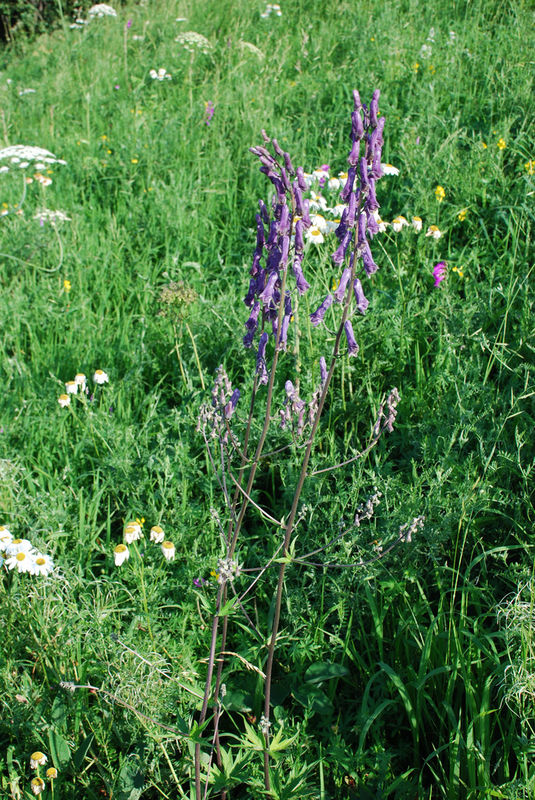
Aconitum moldavicum ,
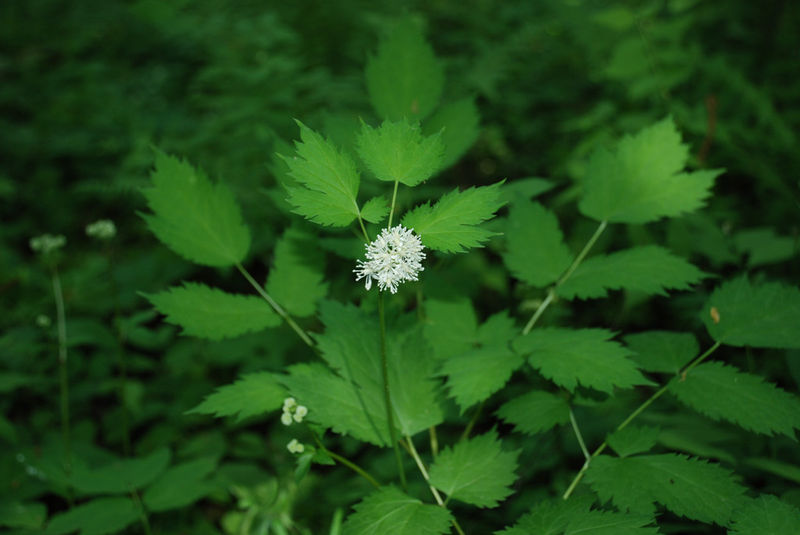
Actaea spicata ,
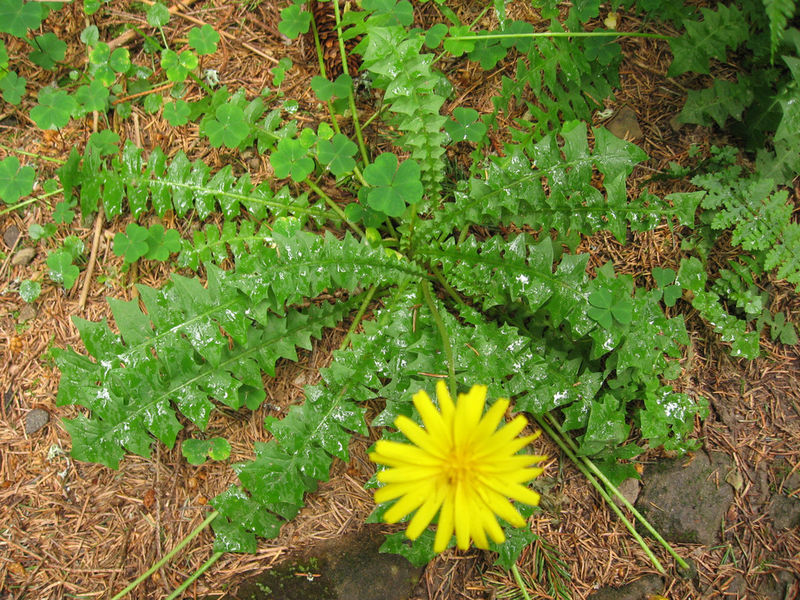
Aposeris foetida Photo: Н.Сичак,
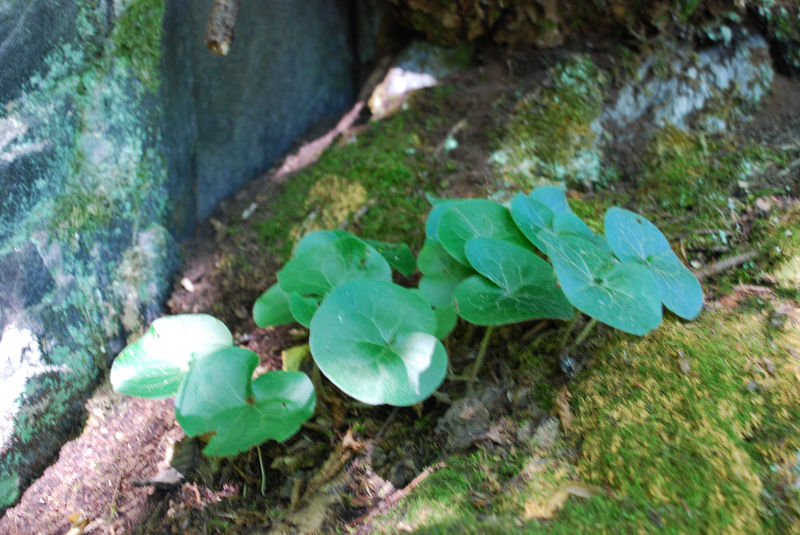
Asarum europaeum ,
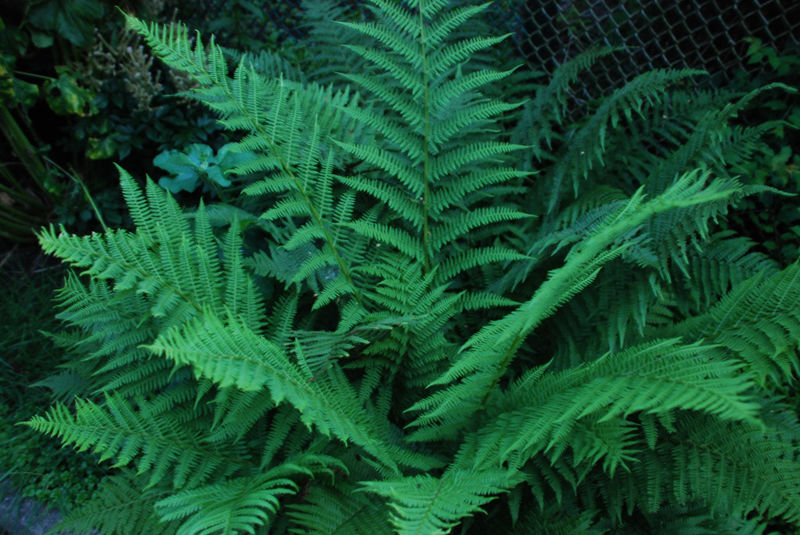
Athyrium filix-femina ,
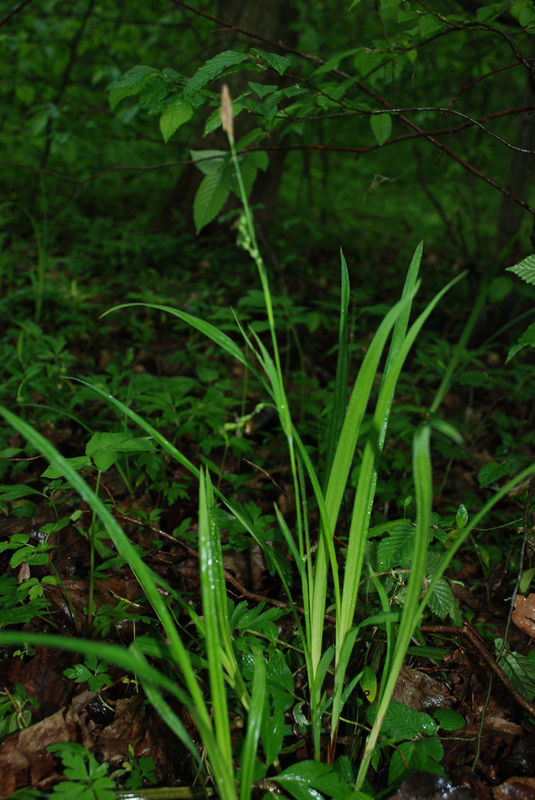
Carex pilosa ,
Carpinus betulus Photo: Н.Сичак,
Cephalanthera longifolia **,
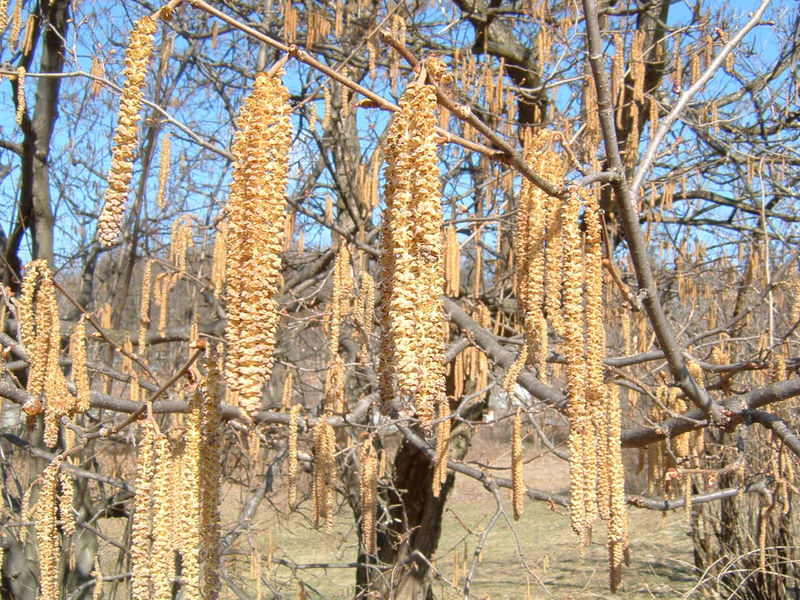
Corylus avellana ,
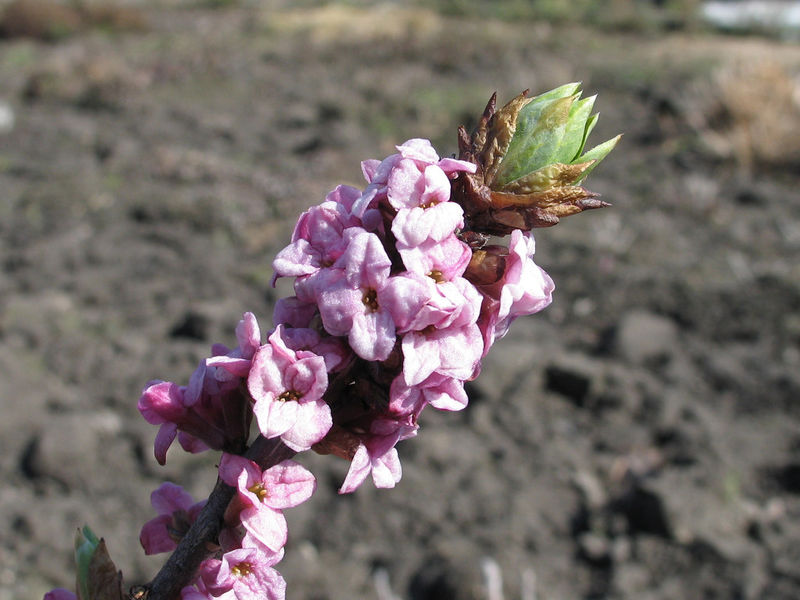
Daphne mezereum ,
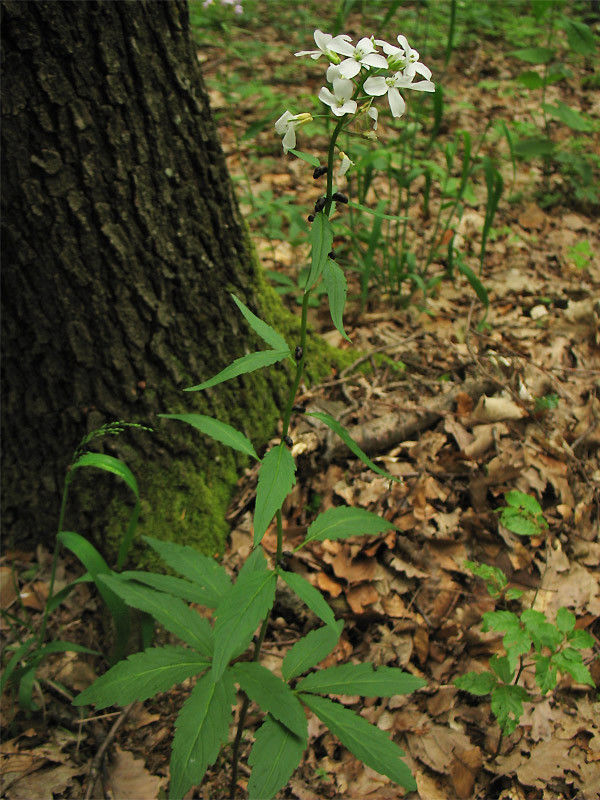
Dentaria bulbifera Photo: А. Ковальчук,
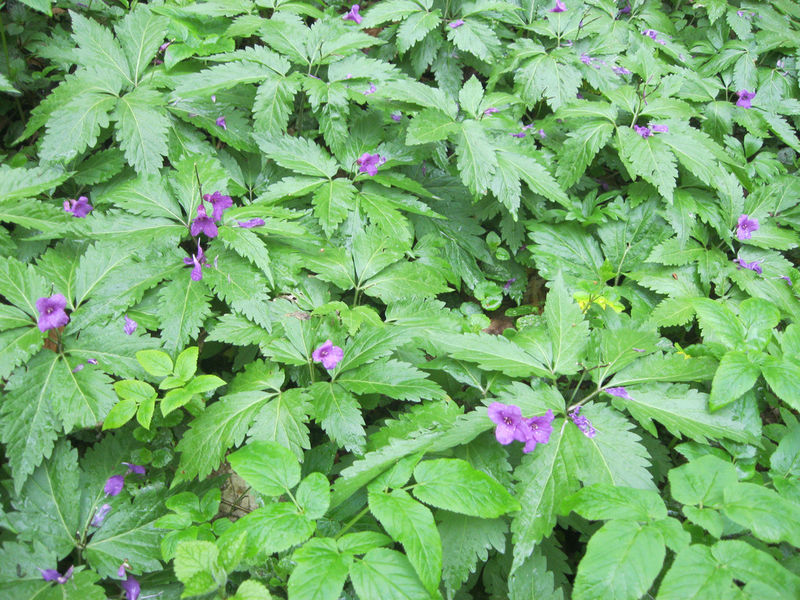
D. glandulosa ,
Dryopteris filix-mas ,
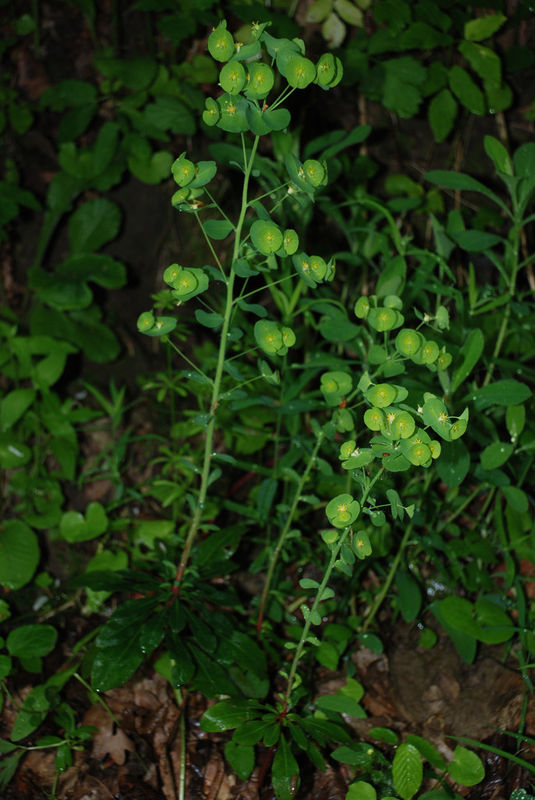
Euphorbia amygdaloides ,
Fagus sylvatica ,
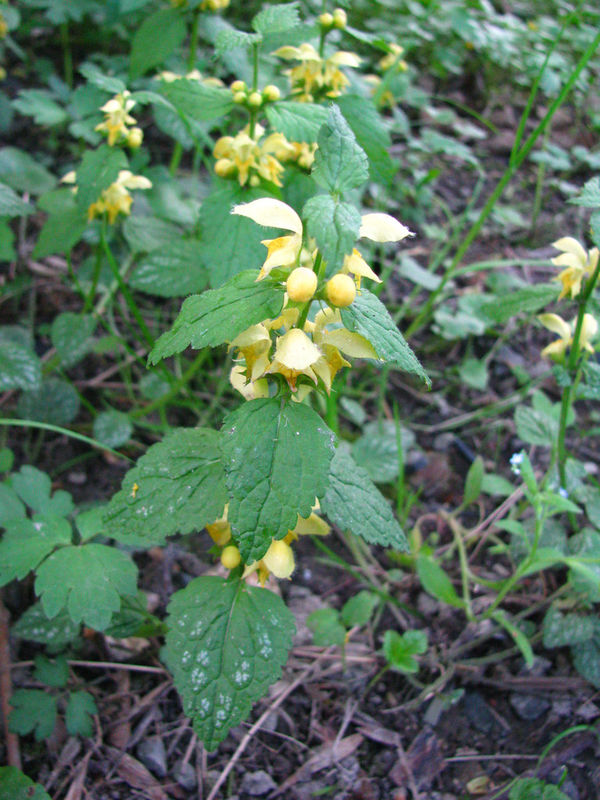
Galeobdolon luteum ,
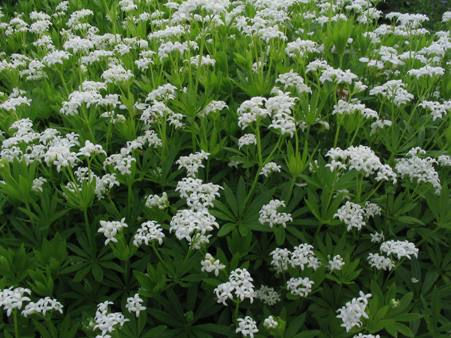
Galium odoratum Photo: http://www.robsplants.com/images/portrait/GaliumOdoratum040505.jpg,
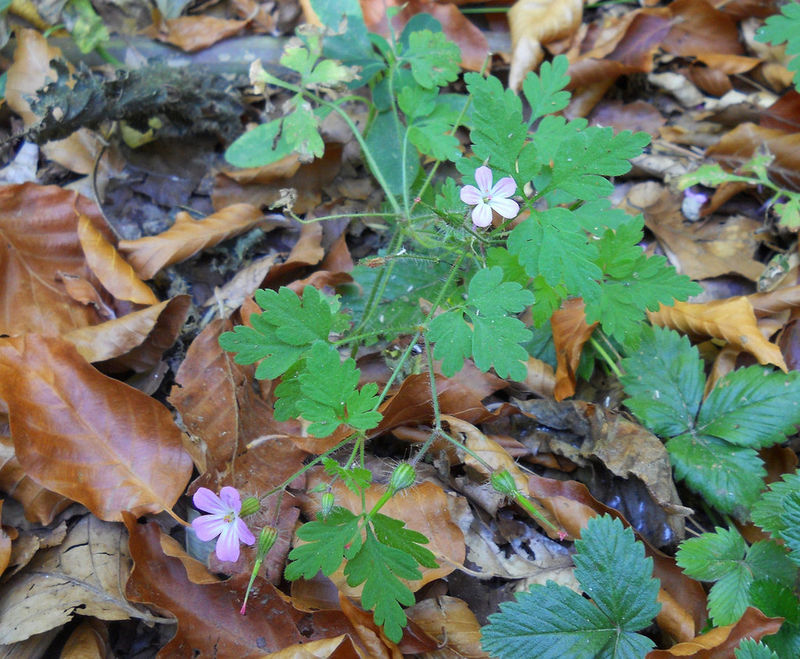
Geranium robertianum Photo: И. Гайворонская,
Hepatica nobilis ,
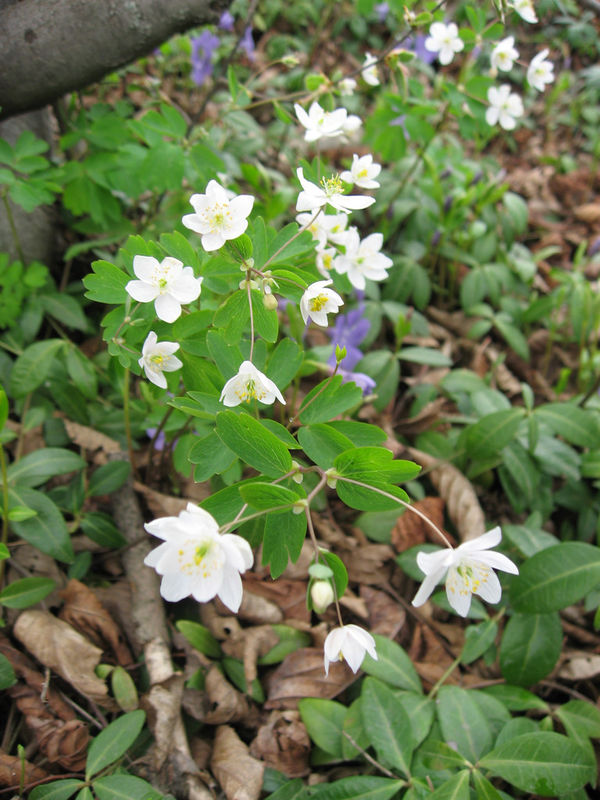
Isopyrum thalictroides Photo: Н.Сичак,
Lilium martagon **,
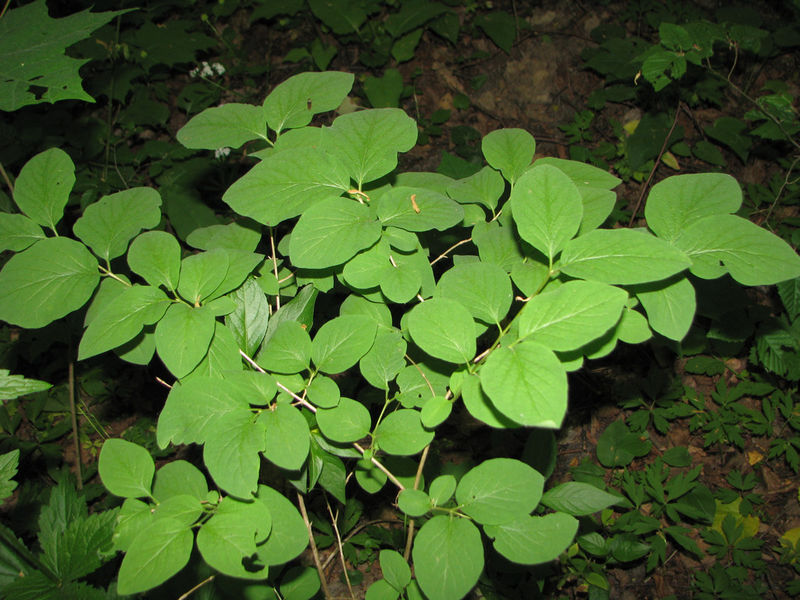
Lonicera xylosteum ,
Lunaria rediviva **,
Melica nutans Photo: Н.Сичак,
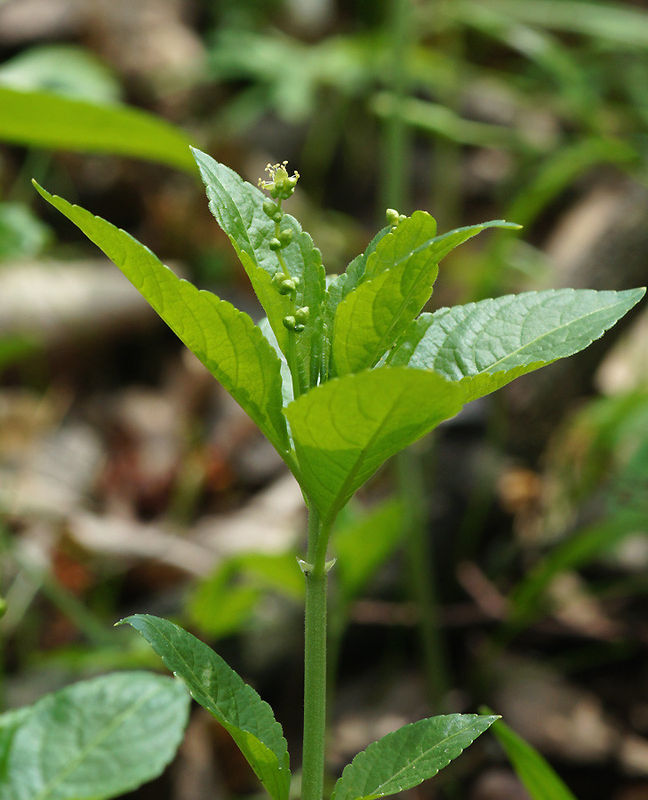
Mercurialis perennis Photo: Е. Каролинский,
Neottia nidus-avis **,
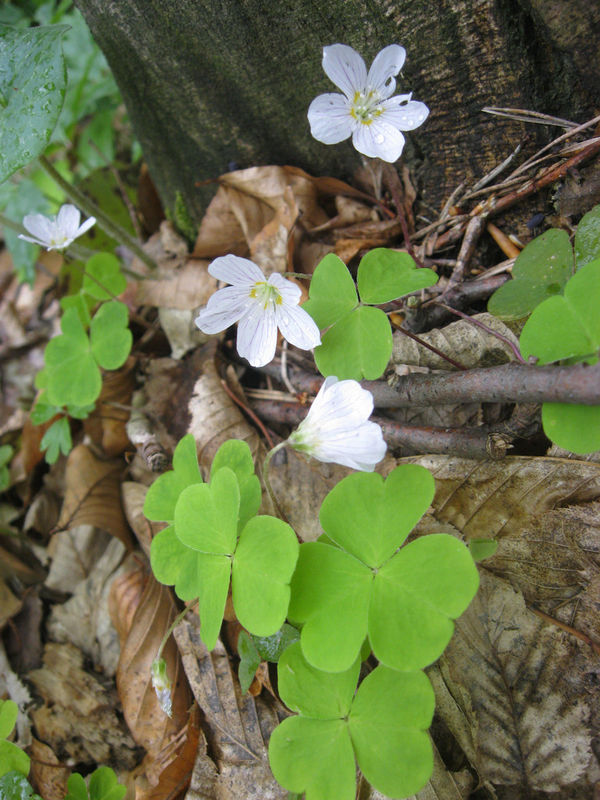
Oxalis acetosella ,
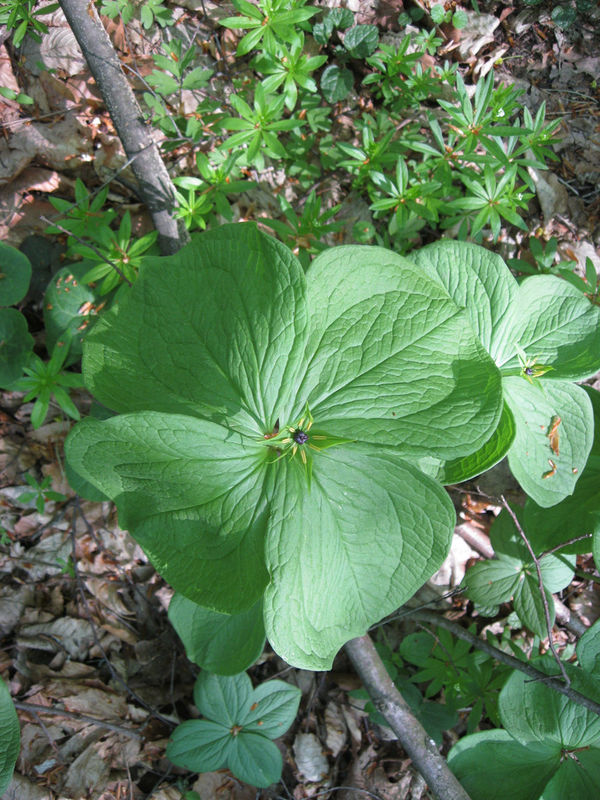
Paris quadrifolia ,
Picea abies ,
Poa nemoralis Photo: Г. Окатов,
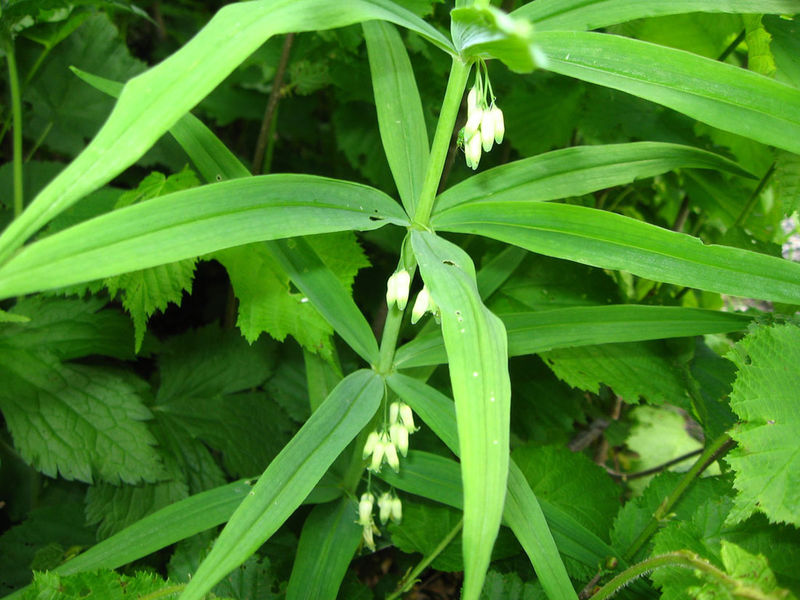
Polygonatum verticillatum Photo: Н. Любезнова,
Pulmonaria obscura Photo: Н.Сичак,
Rubus hirtus ,
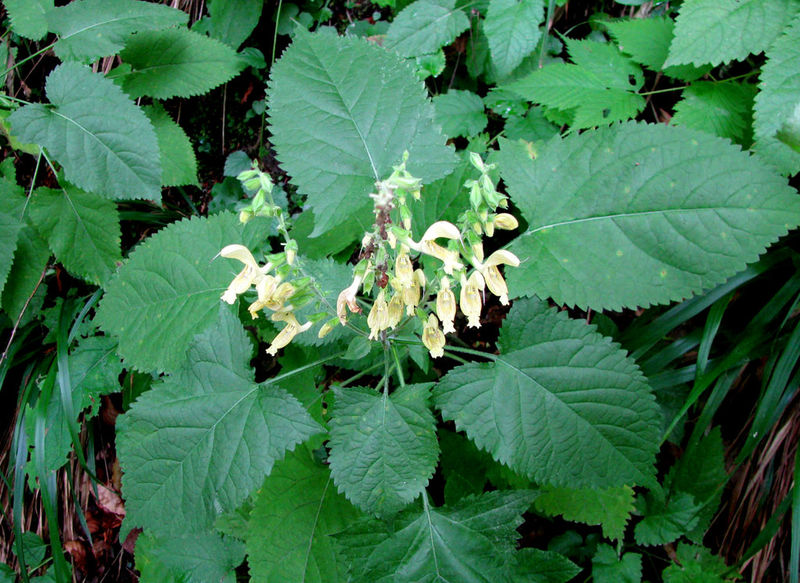
Salvia glutinosa Photo: В. Папченков,
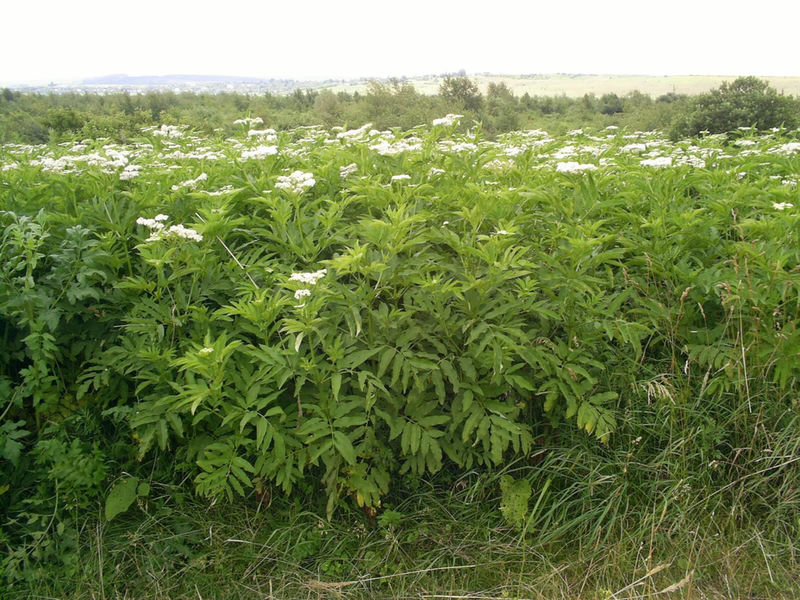
Sambucus racemosa ,
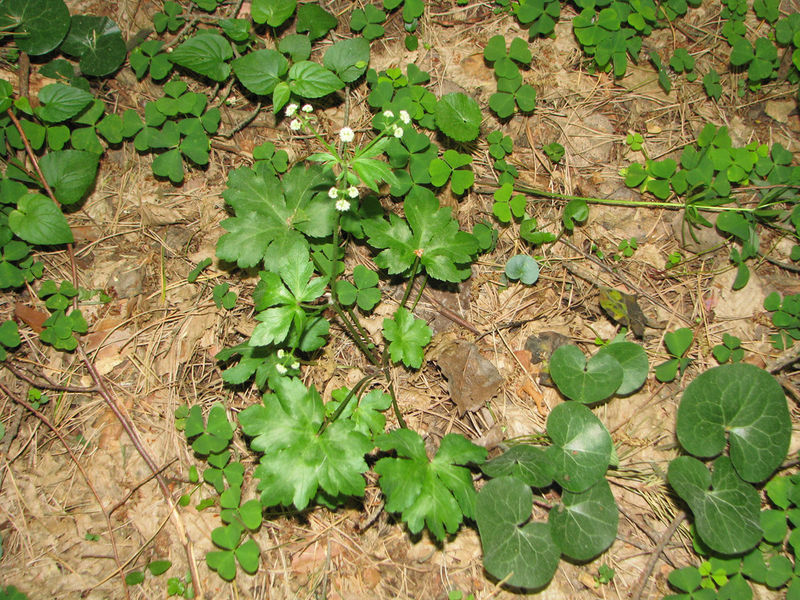
Sanicula europaea ,
Stellaria holostea ,
Symphytum cordatum *,
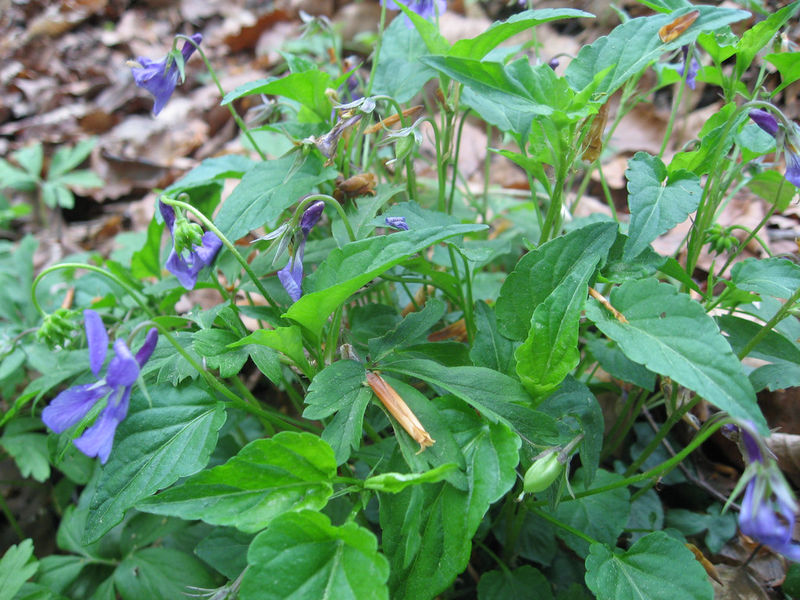
Viola reichenbachiana Photo: Н.Сичак.
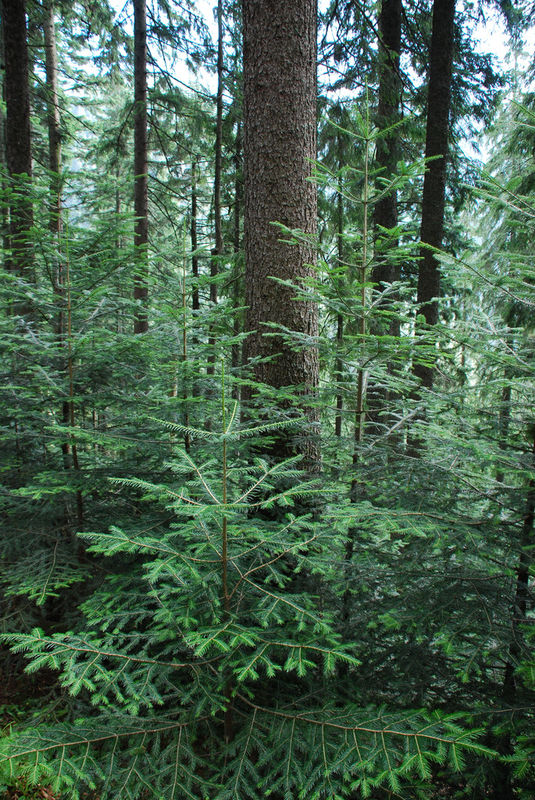
















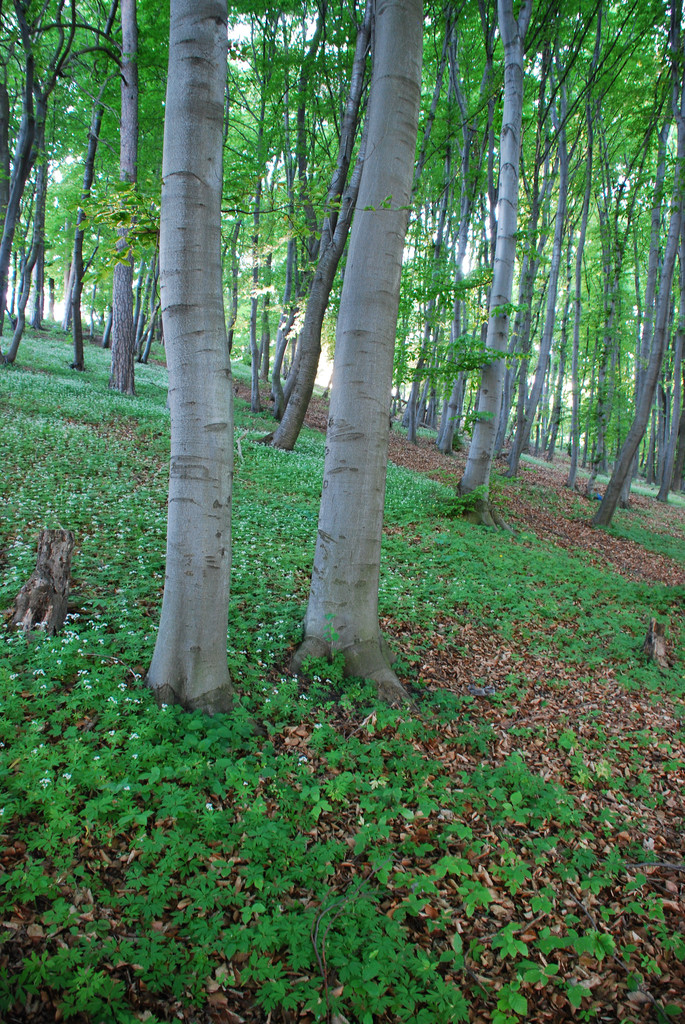
Structure. The habitat is formed by beech forests, those eutrophic and mesotrophic, pure and mixed with rich floral multi-layered herb cover which is composed of the typical forest sciophyte species, demanding the nutrient-rich soils. Stands have a complex structure composed of two or three layers. In the first layer of pure beech stands
Fagus sylvatica predominates;
Abies alba is a subdominant in the mixed ones with participation of beech, as well as
Picea abies occurs sometimes. The most prevalent species of lower layers are
Carpinus betulus Photo: Н.Сичак and
Acer pseudoplatanus Photo: А.Токарюк.
Corylus avellana ,
Sambucus racemosa occur in the undergrowth. The basis of sward is formed by
Carex pilosa ,
Galium odoratum Photo: http://www.robsplants.com/images/portrait/GaliumOdoratum040505.jpg,
Dentaria bulbifera Photo: А. Ковальчук,
D. glandulosa .
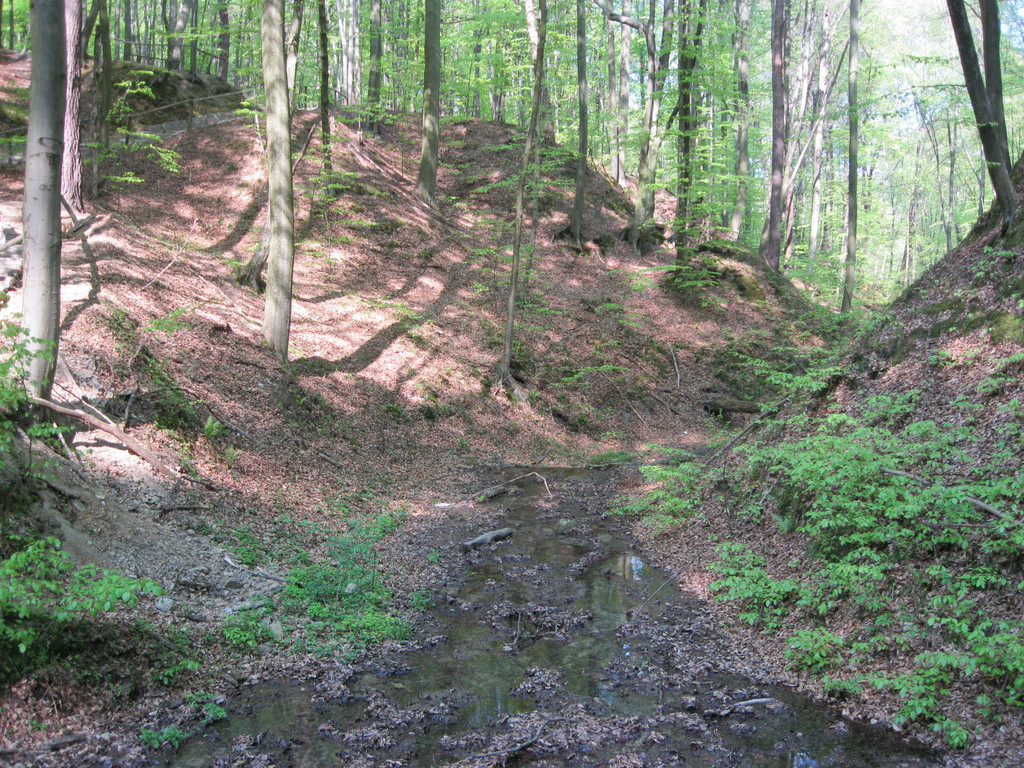
Ecological characteristic. Habitats of this type are mainly located on the flat slopes of different aspects. They occur on brown soils of different subtypes. Soil layer is weekly divided into genetic horizons, as well as it is structured and has good draining properties. These soils are characterized by a significant humus content in upper layer and neutral or weakly acidic reaction.
Threats. The main threats for the habitat are afforastation (monocultures), wood cutting, felling of undergrowth, dead and withering trees, expansion of invasive species.
Management. Maintenance of the natural structure of woods, in particular their natural restoration, limitation of the ruderalisation processes and decrease of the area occupied by monocultures, as well as selective cutting of trees.
References. Стойко та ін., 1998, Зелена книга України, 2009, Червона книга України, 2009, Онищенко, 2009, Оселищна концепція…, 2012, Chytrý, Kučera, Koči, 2001, Stanová, Valachovič, 2002.
Authors: I. Danylyk, О. Kuziarin.